
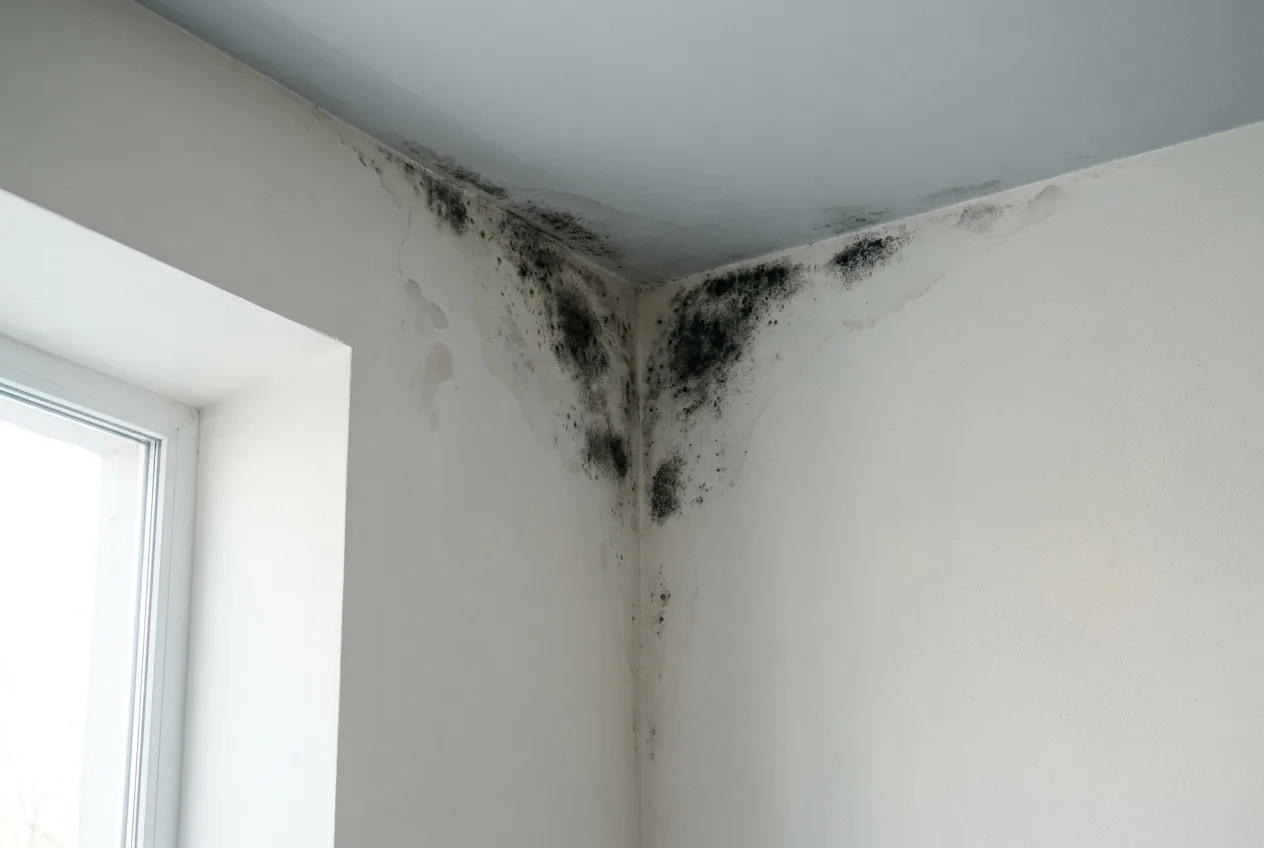
📌 Quick Answer
Mould on walls is cleaned with the following steps: first put on gloves, a mask and goggles and ventilate the room; wet the surface with a suitable cleaner and leave it; brush gently with a soft brush; wipe and dry the wall completely. However, mould is a symptom — to stop it coming back, you must solve the underlying moisture source (rising damp, condensation or a water leak). Warning: never mix bleach with ammonia or acidic cleaners; it releases toxic gas.
Are there black-green stains appearing in your bathroom, in the corner of your bedroom or on a basement wall? These stains are most likely mould, that is, a fungal colony growing on damp surfaces. Most people think they have got rid of the mould by brushing it off; yet it reappears in the same spot a few weeks later. Because mould is not a problem on its own — it is the visible face of the damp problem in the wall.
In this guide we address two things together: how to clean mould safely and correctly, and, more importantly, how to prevent it permanently. Wrong cleaning methods both put your health at risk and temporarily hide the problem while making it worse. The right approach is both safe cleaning and cutting off the moisture source. If you would like to know more about the health dimension of the subject in detail, you can also read our article on the difference between damp and mould and the health risks.
Why Does Mould Form on Walls?
Mould spores are always present in the air; it is not possible to eliminate them completely. However, for the spores to grow on a surface, three conditions must come together: moisture, a food source (paint, gypsum, timber, dust, organic residues) and a suitable temperature. On the wall of a home, food and temperature are almost always present; the determining factor is moisture. When surface moisture rises above a certain threshold, the spores turn into visible colonies within a few days.
Moisture reaches the wall in several different ways, and for correct cleaning you first need to understand which one you are facing:
- Rising damp: water in the ground rising by capillary action through the pores of the wall to a height of 1-2 metres. Mould, blistering plaster and salt marks are seen in the lower section of the wall. For details, see our rising damp guide.
- Condensation: warm and humid indoor air turns into water droplets when it touches a cold wall surface. It usually concentrates at window edges, external wall corners, ceiling-to-wall junctions and behind furniture.
- Water leak / seepage: a broken plumbing pipe, roof leak, blocked gutter or facade crack. It creates heavy, localised mould at a specific point.
The solution for these three sources is different from one another. That is why diagnosing where the moisture comes from before cleaning is the key to not dealing with a recurring nuisance.
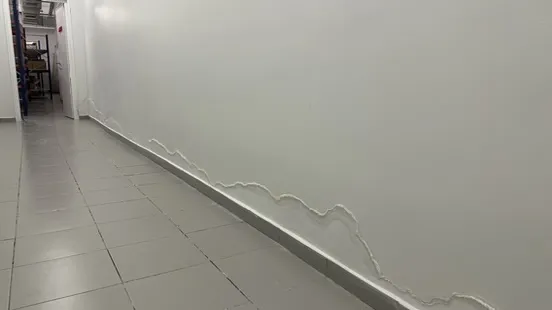
Before Cleaning Mould: Safety
Although cleaning mould looks like a harmless household chore, thousands of spores and mycotoxins are released into the air during the process. Breathing these in can trigger coughing, sneezing, burning eyes, headaches and, especially in those with asthma/allergies, serious respiratory reactions. For this reason, take the following precautions before you start cleaning:
- Protective equipment: use nitrile gloves, an FFP2/N95 mask (a simple cloth mask does not hold back mould spores adequately) and protective goggles. Prefer long-sleeved clothing that covers your skin.
- Ventilation: open the window and, if possible, use a fan blowing outwards. Close the room door to prevent the spores from spreading to the other parts of the home.
- Protect your belongings: lay a cover under the area to be cleaned and move moisture-sensitive items away.
⚠️ Critical Safety Warning
Never MIX bleach (chlorine-based) with cleaners containing ammonia or with acidic products (limescale/rust remover, spirit of salt, etc.). These mixtures release toxic, even deadly, gases such as chlorine gas or chloramine. Always work with a single product, rinse the surface thoroughly with water before switching product, and keep the area continuously ventilated. Do not combine more than one cleaner in the same bucket.
Also, do not do the cleaning yourself in the following situations; obtain professional support: if the mould area is wider than about 1 square metre; if the mould keeps recurring despite repeated cleaning; if there is a spread with an unclear source (inside the wall, in the roof space, in the basement); or if individuals with asthma, allergies or immune problems, or babies live in the home.
How to Clean Mould on Walls? (Step by Step)
After taking the safety precautions, clean the mould in the following order. Do not rush; carrying out each step fully reduces recurrence.
- Put on the equipment: put on gloves, an FFP2/N95 mask and goggles; open the window and ventilate the room.
- Wet the surface: before brushing dry mould, lightly dampen the surface or wet it with the cleaning solution. This significantly reduces the dry spores being thrown into the air like dust.
- Apply a suitable cleaner: spray a mould cleaner or a diluted solution onto the surface and leave it for 10-15 minutes. Follow the instructions on the product label.
- Brush gently: clean the mouldy area with a soft brush in circular movements without pressing hard. Hard brushing can damage the porous plaster and push the spores deeper.
- Wipe and rinse: remove the residue with a disposable cloth or paper towel; without dipping the cloths back into the bucket, throw them as you use them into a sealed bag. Wipe the surface with a clean damp cloth.
- Dry completely: this step is the most critical. Dry the wall fully with the help of a fan, dehumidifier or heater. On a surface that remains damp, mould starts again within hours.
- Ventilate and dispose of waste safely: when the process is finished, throw the gloves, mask and cloths into the bin in a sealed bag; wash your hands; ventilate the room for a while longer.
The shadow/stain that remains on the wall after cleaning is the pigment mark the spore has left in the paint even though it has died; it is usually removed with a suitable coating once the moisture source has been solved and the surface has dried.
Natural and Chemical Cleaning Methods
Different products can be used to clean mould. The common rule for all of them is: stick to a single product, do not mix, ventilate.
White vinegar (natural option)
Undiluted white vinegar is one of the safest options at home, able to penetrate deeper than bleach against many types of mould on porous surfaces. Apply it with a spray bottle, leave it for an hour, brush and rinse. Its sharp smell passes within a short time with ventilation. Do not mix vinegar with bleach either.
Baking soda (bicarbonate)
Baking soda mixed into a little water helps remove light mould and odour; at the same time, with its moisture-absorbing effect, it supports drying the surface. It can be used separately from vinegar (one after the other, without mixing).
Bleach (use with care)
Chlorine-based bleach quickly lightens the mould stain on non-porous surfaces such as tiles, glass and painted surfaces. However, on porous surfaces such as gypsum, plaster and timber it does not fully kill the roots of the spore; it only fades its colour. If you are going to use it, dilute it well, ventilate the area and absolutely do not mix it with any other chemical.
Ready-made mould cleaners
Although the ready-made mould sprays on the market are convenient, these too are superficial. As long as the moisture source continues, no cleaner solves the mould permanently. These products are part of the cleaning stage; they are not the solution itself.
Why Does Mould Keep Coming Back?
This is the complaint we hear most often: "I clean it, but a few weeks later it comes out in the same spot." The answer is simple and important: mould is a symptom, not a cause. Wiping the colony on the surface is like lowering a fever without treating the illness. As long as moisture keeps reaching the wall, the spores in the air find the same damp ground and grow again.
That is why the order in fighting mould is as follows: first diagnose and cut off the moisture source, then clean the surface. Every cleaning done in the reverse order is temporary. Recurring mould is often the herald of an invisible water leak, an unsolved rising damp problem or chronic condensation. To correctly determine the presence of moisture in the structure, reviewing the symptoms of rising damp is a good start.
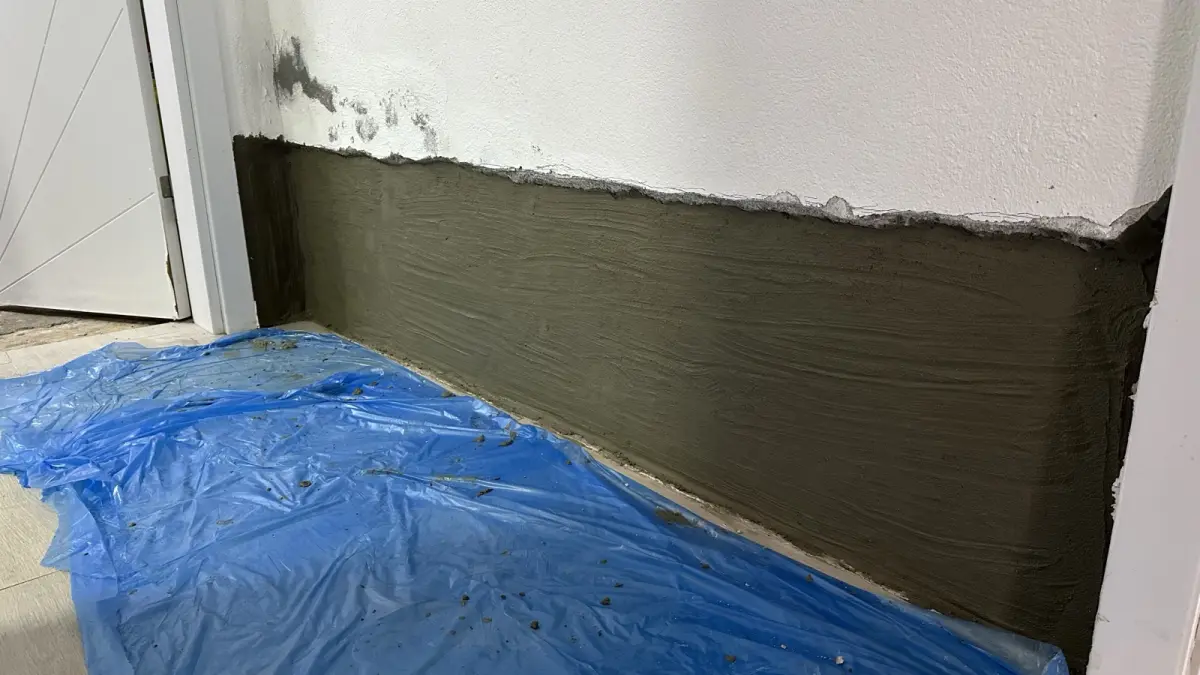
Preventing Mould Permanently: Solve the Moisture Source
The only way to defeat mould permanently is to cut off the moisture that feeds it. Which solution is required varies according to the source of the moisture:
If it is rising-damp related
If there is recurring mould, blistering plaster and salt marks in the lower section of the wall, you are most likely facing rising damp. In this case the permanent solution is to create a damp barrier within the wall. DampStop silane/siloxane-based chemical injection is applied into holes drilled in the lower course of the wall and, by filling the pores, forms a water-repellent layer that stops water from rising. The correct order: first the damaged, damp plaster is stripped and HydroFix breathable damp-proofing plaster is applied in its place; this plaster evaporates excess moisture without trapping it and is resistant to salt damage. Once the plaster has dried (24–48 hours), the holes are drilled and the DampStop injection is carried out. Why? Stripping plaster can break open the cells of the bricks; if you inject first, the solution runs out through those breaks. If the plaster goes on first, the injection stays inside the brick without overflowing. This pair eliminates the ground that mould feeds on.
If it is condensation related
If the mould concentrates at window edges, external wall corners and behind furniture, the problem is most likely condensation. The solution: regular and effective ventilation (especially after moisture production in the bathroom and kitchen), keeping the indoor moisture level balanced, eliminating thermal bridges and taking measures that raise the surface temperature of the wall. Breathable plaster and diffusion-open paints also make it harder for the surface to hold mould.
If it is water-leak related
Fast-growing mould that concentrates at a specific point often points to a hidden leak. Check the plumbing, roof, facade and gutters; no cleaning done without finding and repairing the leak will be permanent.
If you would like to know how much material you need for your wall, you can quickly get an estimate by requesting a quote, and on points you are unsure about you can consult our expert team via our contact page.
Frequently Asked Questions
Can mould on walls be cleaned with bleach?
Bleach lightens the mould stain on non-porous surfaces such as tiles and glass; however, on porous walls such as gypsum and plaster it does not fully kill the roots and often only fades their colour. If you are going to use it, dilute it well and never mix it with ammonia-based or acidic products — this mixture releases toxic gas. If the mould keeps coming back, the real issue is not the cleaner but the underlying damp.
Why does mould come back after cleaning?
Because mould is a symptom, while damp is the cause. No matter how well you clean the surface, as long as moisture keeps reaching the wall the spores will grow again within a few weeks. For a permanent solution, the moisture source — such as rising damp, condensation or a water leak — must be cut off.
What safety precautions are needed when cleaning mould?
Use nitrile gloves, an FFP2/N95 mask and protective goggles; ventilate the room well. Do not mix chemical cleaners with one another. For large (wider than about 1 square metre), recurring or unclear-source mould, obtain expert support instead of doing the cleaning yourself.
Which is more effective, vinegar or bleach?
On porous wall surfaces, white vinegar often penetrates deeper and is a safer option at home; bleach quickly lightens the stain on non-porous surfaces. Whichever you use, stick to a single product and do not mix. Remember: both methods are only the cleaning stage; they do not give a permanent result unless the damp is solved.
Is covering the mould with paint a solution?
No. Painting over the mould or applying "anti-mould" paint is a temporary cosmetic measure as long as the damp continues. The paint blisters within a short time and the colony comes out again from under the paint. First solve the moisture source, clean and dry the surface, then apply a coating.
If mould keeps coming back, the problem is the damp
Cut off the moisture source and solve the mould at its root. Our expert team is ready to offer you the most suitable solution.