
Damp vs Mould: Health Risks and Solutions
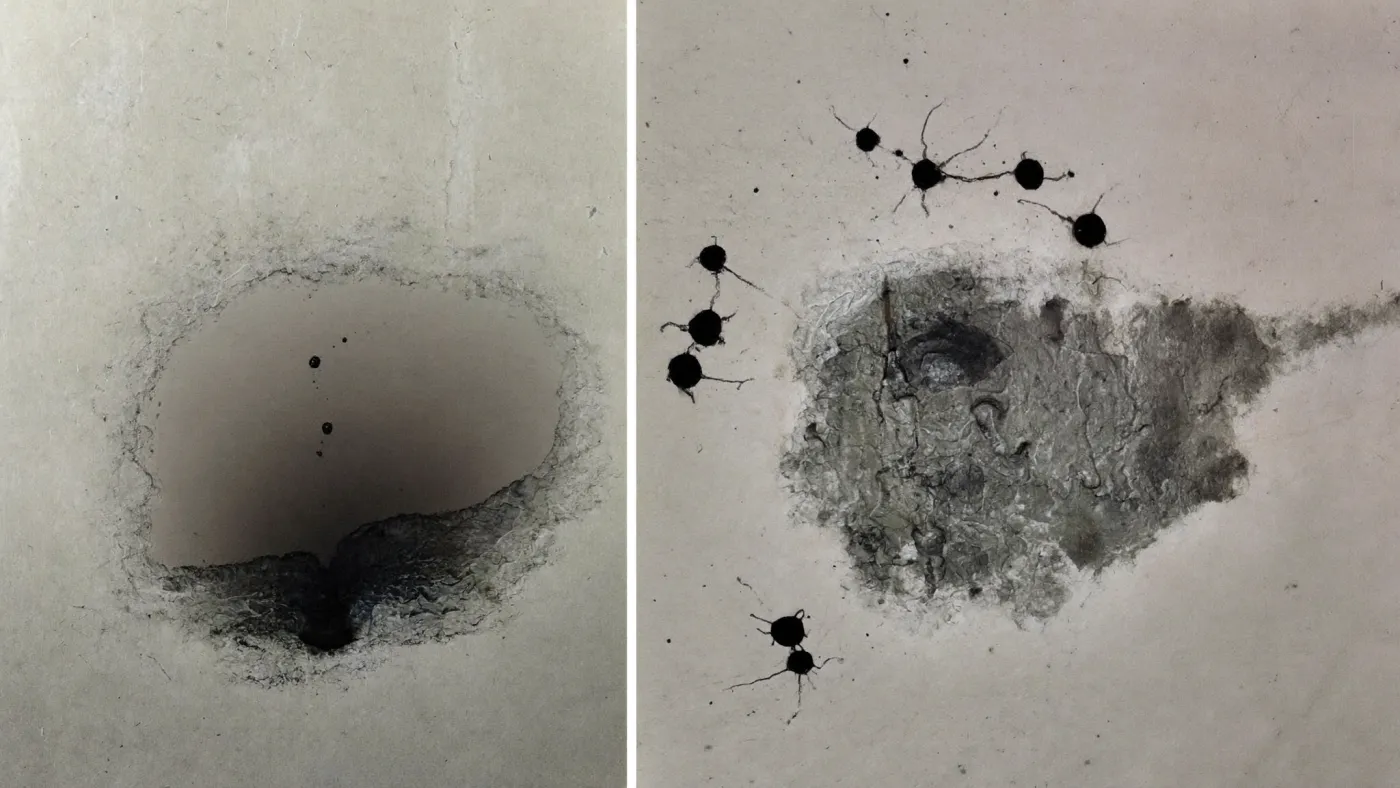
The damp and mould problems so often encountered in homes and workplaces are frequently confused with one another. However, damp and mould are two different concepts. Damp is an environmental condition, whereas mould is a type of biological organism that arises as a result of that condition. Unless the difference between damp and mould is properly understood, it is not possible to produce a permanent solution. In this article we will answer the question "is it damp or mould?", examine the health effects of both problems and look at ways to achieve a permanent solution with Dryvatec products.
What Is Damp?
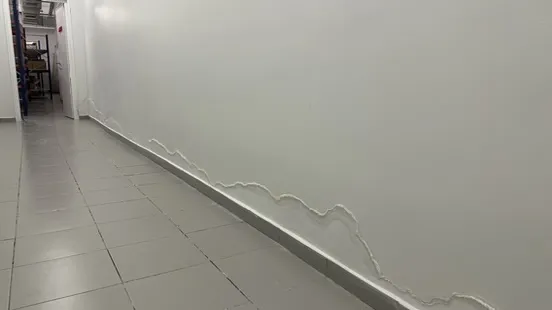
Damp refers to the amount of water vapour and liquid water in the air or in building materials. A certain level of moisture is present in every environment; this is natural. However, when the relative humidity indoors rises above 60 per cent, it causes serious problems for both the building and health.
Damp can arise from different sources:
- Rising damp (water passing from the ground into the pores of the wall)
- Condensation (warm air coming into contact with cold surfaces)
- Water leaks (from the roof, plumbing or façade)
- Poor ventilation
Damp on its own is not a living thing; it is a physical condition. However, if it is not brought under control, it prepares the ground for many problems, including mould.
What Is Mould and How Does It Form?
Mould consists of microscopic fungal organisms capable of growing in damp environments. Mould spores are naturally present in the air; but when the right conditions are met, they become visible by forming colonies on surfaces. Among the causes of mould growth, the most decisive factor is a high humidity level.
Four basic conditions are needed for mould to form:
- Moisture (relative humidity of 60 per cent and above)
- Temperature (between 5-35 degrees, ideally 20-30 degrees)
- An organic food source (wood, paper, paint, dust)
- Oxygen
In environments where these conditions come together, mould begins to develop within 24-48 hours. It appears on walls as black, green or white stains and spreads over time. Mould poses a serious threat not only through its appearance but also because of the spores and mycotoxins it releases into the air.
The Key Differences Between Damp and Mould
To answer the question "is it damp or mould?", it helps to compare the two concepts by their basic characteristics:
| Characteristic | Damp | Mould |
|---|---|---|
| Definition | The amount of water in the air or in a material | Fungal organisms growing in a damp environment |
| Type | A physical condition | A biological organism |
| Visible? | Not always (damp inside a wall is invisible) | Yes, visible as stains and colonies |
| Smell | A musty smell | A sharp, mouldy smell |
| Cause-Effect Relationship | It is the cause of mould | It is the result of damp |
| Health Effect | Respiratory complaints, allergies | Allergies, asthma, toxin-related illnesses |
| Solution Approach | Eliminate the source of the damp | First solve the source of the damp, then clean the mould |
As can be seen from this table, in damp-related mould problems the damp must first be brought under control. Simply cleaning the mould remains a temporary solution as long as the damp problem persists.
The Effects of Damp and Mould on Health
The effects of damp and mould on health arise through different mechanisms, and both carry risks that must be taken seriously.
Health effects of damp:
- An increase in respiratory tract infections
- Aggravation of rheumatic conditions
- Allergic reactions from the proliferation of dust mites
- A general loss of comfort and a decline in sleep quality
Health effects of mould:
- Allergic rhinitis and sinusitis
- Triggering of asthma attacks
- Watering eyes, itchy skin
- Serious mycotoxin-related illnesses with long-term exposure
- Lung infections in individuals with a weakened immune system
According to World Health Organization (WHO) data, the risk of upper respiratory tract illnesses increases by 30 to 50 per cent in individuals living in damp, mouldy environments. For this reason, a damp and mould problem is not only building damage but a public health matter.
How to Solve a Damp and Mould Problem Permanently
Lasting success against a damp and mould problem is possible only by preventing the damp at its source. Merely cleaning the mould or painting a damp wall brings the problem back within a few months. The Dryvatec product family offers comprehensive, permanent solutions for different damp problems.
Dryvatec DampStop Damp Injection System
Dryvatec DampStop is an injection system that offers a permanent solution particularly for problems caused by rising damp. The special formula, applied through holes drilled at the lower level of the wall, forms a chemical barrier within the wall that completely stops capillary water movement. Being able to apply it without external excavation both lowers the cost and shortens the application time. Once rising damp is brought under control, the environment needed for mould growth is also removed.
Dryvatec HydroFix Damp-Proofing Plaster
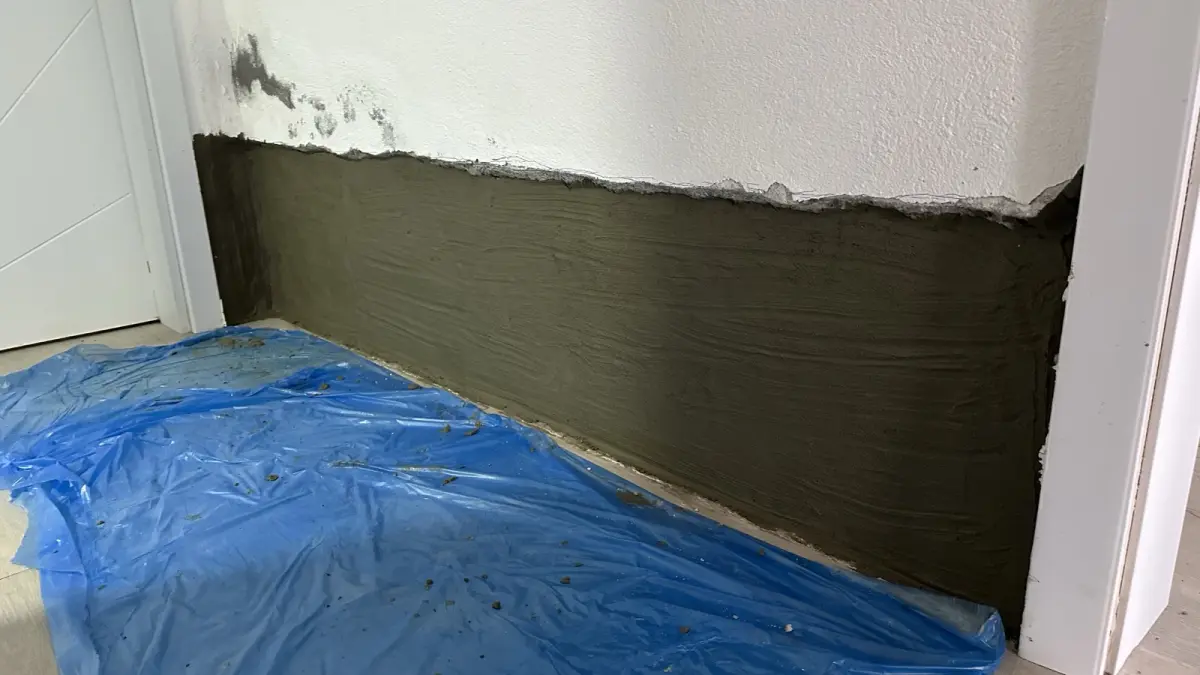
Dryvatec HydroFix, with its two-component special formula, forms a waterproof layer on damp wall surfaces. Applied indoors, this product prevents moisture passing through while making the wall surface ready to paint again. It provides an effective solution especially in areas continuously exposed to damp, such as the bathroom and kitchen. In a basement, however, water enters the wall from the ground outside; there, PU injection and crystalline waterproofing are needed, and HydroFix on its own only holds for a while. More detail: Moisture and water ingress in basements.
Dryvatec Damp Box (Nem Kutusu)
Dryvatec Damp Box is the system that carries water reaching the foundation and rising in the columns back into the ground. Together with DampStop injection and HydroFix damp-proofing plaster, it makes up the Dryvatec triple system. The Damp Box works in the foundation and columns, not in the walls; rising damp in wall elements (brick, aerated concrete, concrete block) is treated with DampStop and HydroFix. So the Damp Box is not a substitute for the injection but the foundation-and-column part of the triple system.
The recommended approach for a lasting result is this: first eliminate the source of the damp with DampStop or HydroFix, then thoroughly clean the existing mould, and ventilate the room regularly. If there is also damp throughout the building, in the foundation and columns, the Damp Box, part of the triple system, is added; the Damp Box channels the water reaching the foundation and rising in the columns into the ground.
Frequently Asked Questions
Does mould form everywhere there is damp?
No, mould does not form in every damp environment. Besides a high humidity level, mould growth also requires a suitable temperature, an organic food source and enough time. However, in environments where the humidity stays above 60 per cent, the risk of mould forming is very high.
Does cleaning the mould solve the problem?
Cleaning the mould only removes the visible problem. Unless the source of the damp is eliminated, the mould soon forms again. For a permanent solution, the source of the damp must first be identified and prevented, and the mould then cleaned.
In which seasons do damp and mould problems appear most often?
Damp and mould caused by condensation usually increase in the winter months, in periods when the temperature difference between the indoor and outdoor environment is high. Rising damp, on the other hand, is a problem that continues throughout the year regardless of season. Spring and autumn can also aggravate the rising damp problem as the groundwater level rises.
Do Dryvatec products require professional application?
The DampStop injection system gives the best result with professional application. HydroFix can be applied by both professionals and knowledgeable users.
Conclusion
Understanding the difference between damp and mould is critical to being able to take the right action. Damp is a physical environmental condition, whereas mould is a type of biological organism that develops as a result of that condition. Both problems carry health risks and lead to building damage. For a permanent solution, the source of the damp must first be identified and eliminated with the appropriate Dryvatec products.
To get professional support for your damp and mould problems and determine the right solution for you, get in touch with us. At Dryvatec, we offer permanent, scientific solutions to protect your living spaces from damp and mould.
Looking for a solution to your damp problem?
Our expert team is ready to offer you the most suitable solution.