
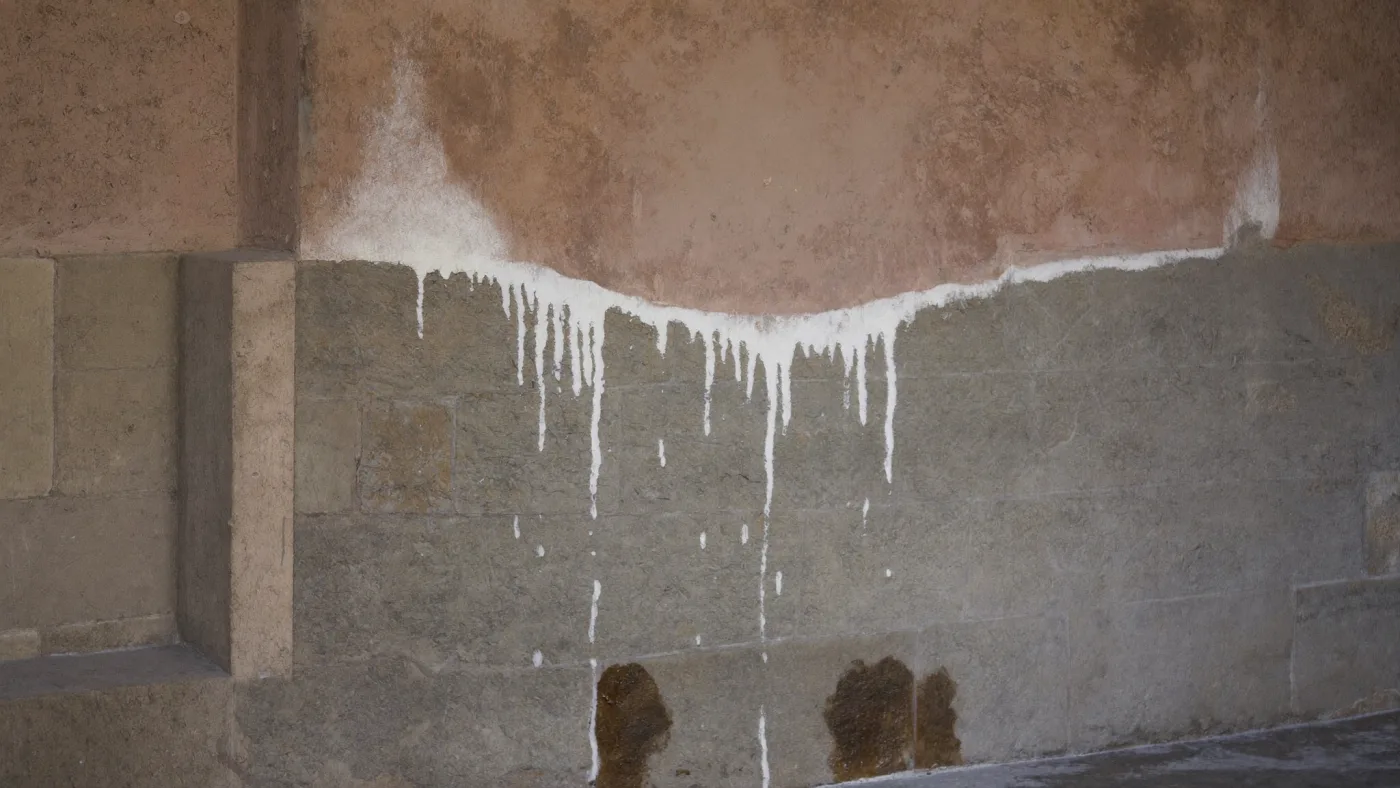
Türkiye is a country with a heritage that stretches back thousands of years. From mosques to caravanserais, from churches to palaces and mansions, many precious buildings have stood for generations. Yet the greatest enemy of these structures is an invisible but hugely destructive threat: damp. In this article we look at why damp is so critical in historic buildings and at the modern solutions that can be applied without damaging the structure.
Historic buildings are constructed from natural stone, brick, timber and lime-based mortars; these materials are porous and absorb water. Because modern waterproofing layers are absent in such buildings, rising damp directly harms the structure's load-bearing system and original fabric.
Why Are Historic Buildings More Susceptible to Damp?
The vast majority of old buildings contain spaces at or below ground level. Basements, cellars and foundation walls are in constant contact with the soil. This causes moisture to climb up through the walls by capillary paths (rising damp). The ageing process over hundreds of years also increases the porosity of the materials, accelerating moisture absorption.
Climatic factors must not be overlooked either. Many regions of Türkiye — especially the Black Sea, Marmara and Aegean coasts — have high humidity levels. Seasonal temperature differences trigger condensation problems and make the search for a damp solution in historic buildings essential.
The Consequences of Damp Damage in Historic Buildings
If the damp problem in an old building is not brought under control, the consequences lead to damage that is hard to reverse:
Moisture penetrates into the stone and brick and causes it to break apart through the freeze-thaw cycle. Rot sets in on timber load-bearing members, mortars weaken and the load-bearing capacity of the walls decreases.
Frescoes, murals, ornamentation and original paint layers are irreversibly damaged. Salt crystallisation ruins surface textures; mould and stains seriously affect the appearance.
Damp environments provide ideal conditions for mould and fungal spores. They create a risk of respiratory illnesses and allergies for staff, visitors and local residents.
Why Are Traditional Solutions Inadequate?
Interventions such as insulation by excavation, cutting into the walls or inserting a mechanical barrier damage the original building fabric. Conservation boards are, quite rightly, extremely reluctant to approve such invasive interventions.
Applying render or cladding from the outside hides the problem instead of solving it. Moisture builds up beneath the plaster and leads to greater damage. Ventilation improvements are useful but not sufficient on their own.
It is precisely here that modern technologies requiring minimal intervention to the structure come to the fore.
Modern, Non-Invasive Solutions
The Damp Box (Nem Kutusu) — A Contactless Damp Control System
A complement to the Triple System, the Damp Box works without requiring any drilling, cutting or physical intervention to the structure; it channels the damp and moisture in columns and the foundations back into the ground. It can be used safely in protected historic buildings because it does not touch the original fabric of the structure. Capillary damp in wall elements (brick, stone, block) is treated with DampStop and HydroFix; the Damp Box does not replace them, and together the three make up the triple system.
This system is preferred especially in buildings such as mosques, churches, museums and historic mansions. It is quick to install, requires no maintenance and its energy consumption is extremely low.
The DampStop Injection System
DampStop concentrate is a chemical barrier system poured with a funnel into 14 mm holes drilled in the wall (no pump needed). Because holes are drilled only at the base of the wall, it intervenes in the structure to a minimal degree. The injected solution forms a horizontal damp barrier within the wall, permanently preventing the rise of capillary moisture.
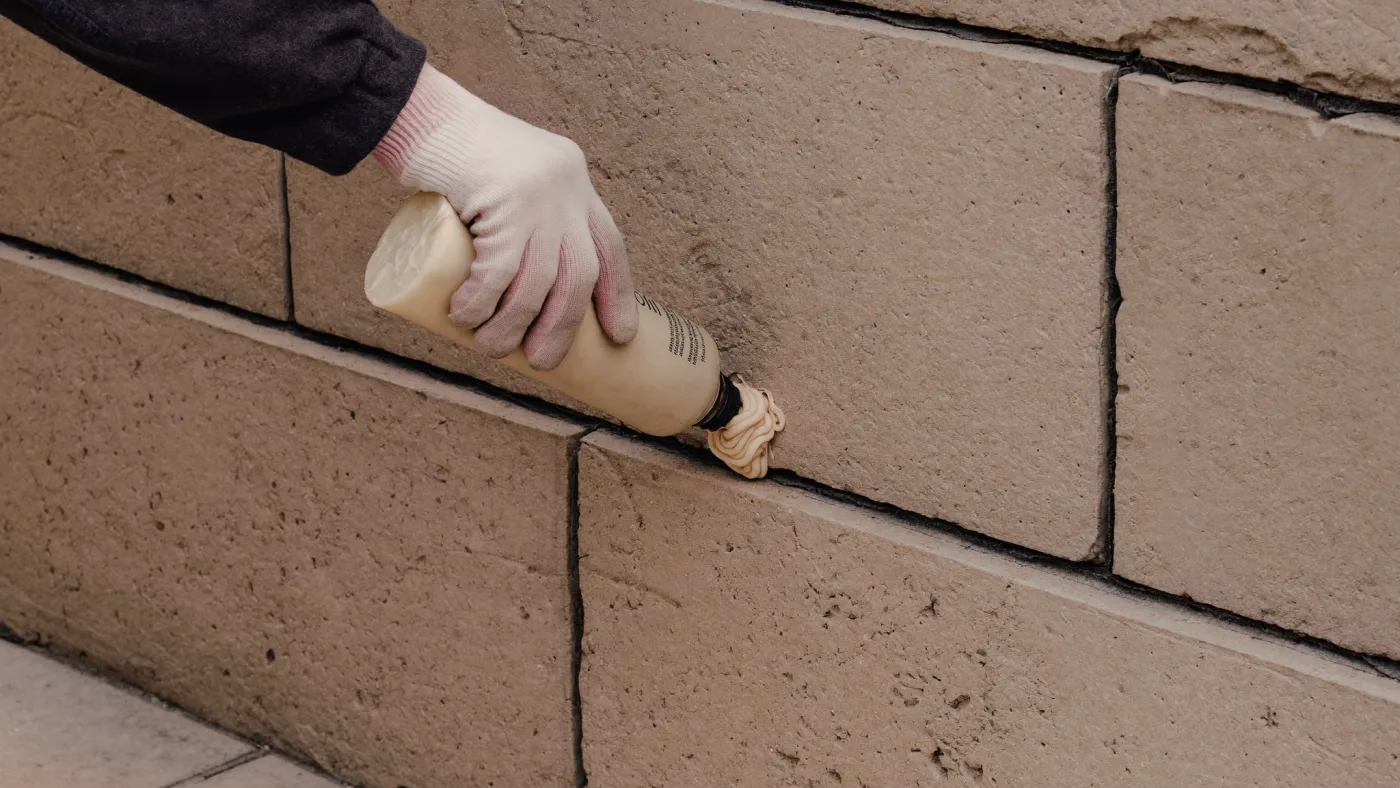
When applied under the supervision of conservation specialists, it provides effective damp-proofing without compromising the integrity of historic buildings.
Breathable Repair: HydroFix Damp-Proofing Plaster
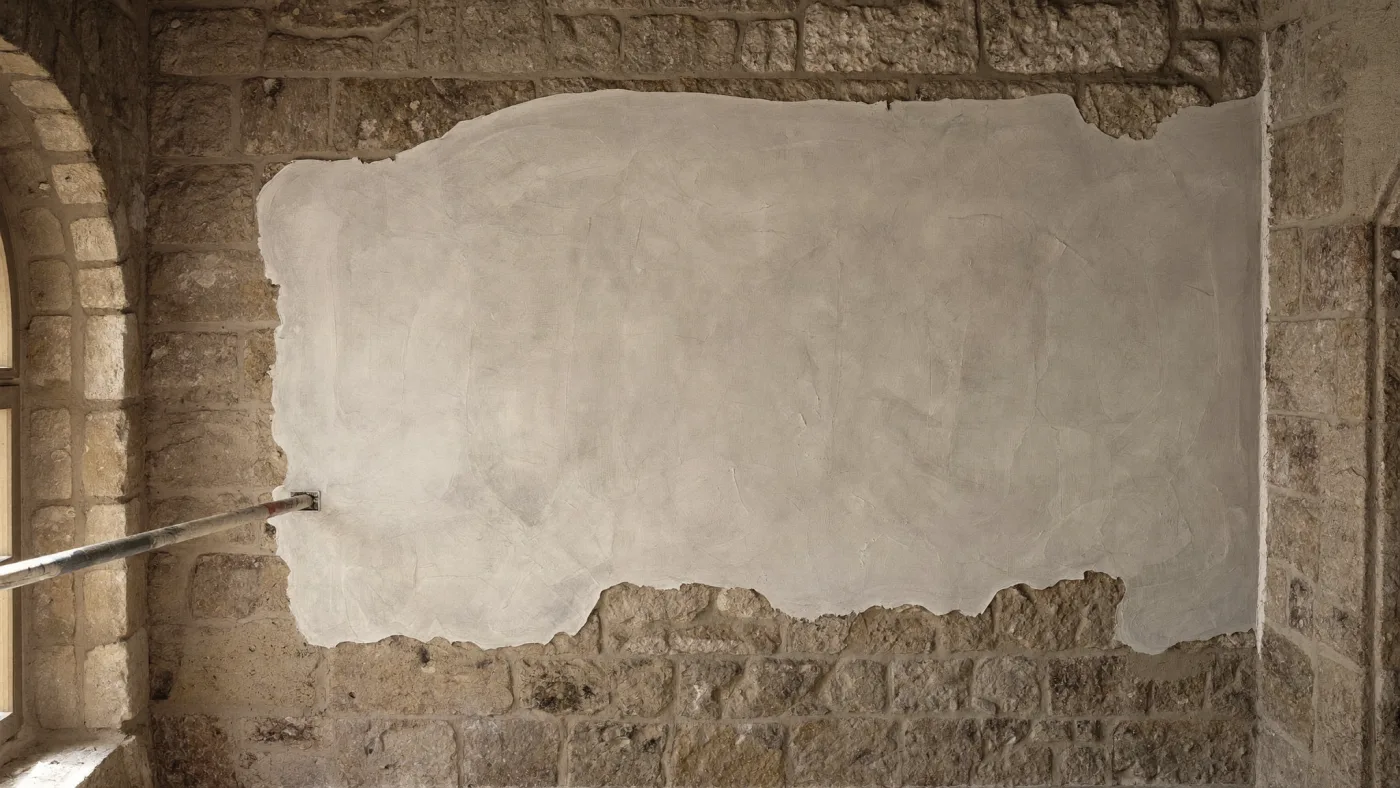
Before injection, in place of the old, damp plaster that has been stripped off, the water-vapour-permeable (breathable) HydroFix damp-proofing plaster, suited to the original fabric, is applied. This way, moisture is not trapped inside as the wall dries and the surface is renewed in a manner respectful of the historic fabric.
The correct order: first the old, damp plaster is stripped, then HydroFix damp-proofing plaster is applied; once the plaster has dried (24–48 hours), the holes are drilled and the DampStop injection is carried out. Why? Stripping plaster can break open the cells of the bricks; if you inject first, the solution runs out through those breaks. If the plaster goes on first, the injection stays inside the brick without overflowing.
Successful Application Examples
At Dryvatec, we have delivered solutions to damp problems in many historic buildings across Türkiye:
- Ottoman-Era Mansion Restoration: In a 19th-century mansion in Western Anatolia, a serious capillary damp problem was identified in the ground-floor walls. Within 6 months of installing the Damp Box, a drop of more than 70% was measured in the wall moisture levels. Not a single nail was driven into the structure.
- Historic Building Used as a Cultural Centre: In a building repurposed as a museum in Central Anatolia, the damp problem threatening the exhibited artefacts was solved. The safety of the collection was secured while the building's original fabric was preserved.
What these examples have in common is that permanent solutions were produced without damaging the structure and in line with conservation principles.
Note: In below-ground spaces such as basements and cellars, water enters from outside, from the soil; such structures need PU injection and crystalline waterproofing. For details, read our article on basement damp.
Frequently Asked Questions
Does the Damp Box harm historic buildings?
No. The Damp Box is a contactless system; it requires no physical intervention to the structure and creates no problems in conservation-board approval processes.
Does DampStop injection damage the building's original fabric?
DampStop is applied through very small-diameter holes (14 mm) and the holes are sealed after application with a suitable mortar. Compared with invasive methods, its effect on the structure is minimal; it can be applied safely under the supervision of conservation specialists.
How is damp measured in historic buildings?
The Dryvatec team analyses the building's current moisture condition with non-destructive moisture meters. These measurements are the fundamental reference both for determining the solution method and for evaluating success after application.
How long does it take to see results?
With DampStop injection, the chemical barrier becomes active within a few days and drying progresses rapidly depending on weather conditions. When the Damp Box is used on its own, full drying can take 6–12 months depending on the wall thickness and the intensity of the moisture.
Conclusion
Damp in historic buildings is a critical issue that must be addressed as a priority for the sake of preserving cultural heritage. In cases where traditional methods threaten structural integrity, modern, minimally invasive solutions such as the Triple System and DampStop offer a reliable way to pass historic monuments on to future generations.
If you are facing a damp problem in a historic building, our expert team can determine the most suitable, structure-preserving solution for you. You can request a free preliminary assessment by filling out our Request a Quote form.
Looking for a solution to your damp problem?
Our expert team is ready to offer you the most suitable solution.