
Damp and Health: An Overview
The problem of damp in living spaces is usually associated with aesthetic problems such as wall stains, peeling paint and a bad smell. However, the main and perhaps most serious effect of damp is on human health. Damp environments provide ideal conditions for the growth of mould and fungal spores, the proliferation of dust mites and the development of bacteria. These biological pollutants can lead to a wide range of health problems, from respiratory illnesses to skin problems, and from allergic reactions to chronic fatigue.
A significant proportion of homes in Türkiye have a rising damp problem, and the millions of people living in these homes are unknowingly exposed to health risks. In this article, we will examine the health effects of living in a damp environment in the light of scientific data, identify the at-risk groups and share ways to protect yourself.

WHO Data and Statistics
The World Health Organization (WHO) has published comprehensive reports on the health effects of damp and mould. The WHO's guide "Guidelines for Indoor Air Quality: Dampness and Mould" is one of the most authoritative sources on the health risks of living in damp, mouldy environments.
According to WHO data:
- People living in damp or mouldy homes have a 30-50% higher risk of upper respiratory tract symptoms, coughing and wheezing.
- The risk of developing asthma increases by 30-80% in damp homes.
- In Europe, 10-50% of homes (at rates that vary by country) have damp-related problems.
- One of the most important factors that degrades indoor air quality is indoor humidity.
This data demonstrates the need to treat a damp problem not merely as a structural issue but as a public health matter.
Types of Mould Found in Homes and Their Risks
Moulds (fungi) are micro-organisms that can grow rapidly in damp environments. The most common types of mould found in homes and their potential health risks are as follows:
Aspergillus
This is one of the most common indoor mould types. It has more than 200 sub-species. Aspergillus spores are usually harmless in healthy individuals; however, they can cause serious infections (aspergillosis) in people with a weakened immune system. The Aspergillus fumigatus sub-species can lead to respiratory infections, particularly in patients with COPD and cystic fibrosis.
Cladosporium
This is a mould type commonly found both indoors and outdoors. It is usually dark green or black. Cladosporium is a strong source of allergens and can cause respiratory allergies such as allergic rhinitis, asthma and sinusitis. Because it is also resistant to cold environments, it can be an allergy trigger throughout the year.
Stachybotrys (Black Mould)
Commonly known as "black mould" or "toxic mould", Stachybotrys chartarum grows in damp environments, particularly on cellulose-containing materials (plasterboard, paper, wood). It produces mycotoxins (satratoxins), and these toxins can cause serious health problems when inhaled. Neurological symptoms, immune system suppression and pulmonary haemorrhage (bleeding in the lungs) have been reported with chronic exposure. Black mould is regarded as one of the most dangerous indoor mould types.
Penicillium
This is a fast-spreading, blue-green mould type. Penicillium spores are a common source of allergens and have been associated in particular with chronic sinusitis and allergic rhinitis. Some of its sub-species can produce mycotoxins.
Alternaria
This is a dark-coloured, velvety-looking mould type. It is often seen on damp window edges, in bathrooms and kitchens. Alternaria is a strong asthma trigger. Research has shown that exposure to Alternaria significantly increases the risk of developing asthma in children.
Respiratory Illnesses
The most noticeable health effect of living in a damp environment is seen on the respiratory tract. Mould spores, mycotoxins and a high humidity level affect the respiratory system to various degrees.
Chronic Cough and Wheezing
The prevalence of chronic cough and wheezing is markedly higher in people living in damp homes than in those living in dry ones. Continuously breathing in mould spores causes chronic irritation of the airways. Although this may seem like a mild discomfort at first, it can turn into chronic bronchitis or asthma over time.
Sinusitis
Mould spores irritating the nasal passages can lead to chronic sinusitis. Research has shown that a significant proportion of chronic sinusitis patients are sensitive to mould allergens. Recurrent sinusitis attacks are common in people living in a damp environment.
Hypersensitivity Pneumonitis
With intense, continuous exposure to mould and fungal spores, a hypersensitivity (over-sensitivity) reaction can develop in the lungs. This manifests itself with fever, cough, shortness of breath and fatigue. With chronic exposure, permanent damage to the lung tissue (fibrosis) can occur.
Infections
In people with a weakened immune system (the elderly, those with chronic illnesses, those undergoing immunosuppressive treatment), moulds can directly cause infection. Invasive aspergillosis, the most serious mould infection, can be life-threatening. Such infections are rare in healthy individuals; however, intense mould exposure can weaken the immune system over time.
Allergies and Asthma
Mould spores are one of the most common indoor allergens. Damp and mould both trigger allergic reactions and prepare the ground for the development of new allergies.
Allergic Rhinitis
Allergic rhinitis that develops in response to mould spores is characterised by nasal congestion, a runny nose, sneezing and itchy eyes. These symptoms persist continuously in a damp environment and, unlike seasonal allergies, cause discomfort throughout the year. Although antihistamines relieve the symptoms temporarily, the complaints continue unless the allergen source (mould and damp) is eliminated.
Asthma
Living in a damp environment significantly increases the risk of asthma. In people who already have asthma, it increases the frequency and severity of attacks. According to WHO data, the risk of developing asthma is 30-80% higher in people living in damp homes. Mould spores and dust mites (which multiply rapidly in a damp environment) are strong asthma triggers. Controlling asthma attacks is directly related to reducing allergen exposure, and this requires eliminating the source of the damp.
Atopic Dermatitis (Eczema)
A damp environment and mould exposure can also cause allergic reactions on the skin. In individuals with atopic dermatitis (eczema), a damp environment causes the symptoms to worsen. A high humidity level weakens the skin's natural barrier and increases sensitivity to allergens.
Effects on Children
Children are far more sensitive to the health effects of a damp environment than adults. There are several important reasons for this:
A Developing Respiratory System
Children's airways are narrower and their lungs are still developing. For this reason, mould spores and other pollutants affect children's respiratory systems more easily than those of adults. Mould exposure in early childhood can adversely affect lung development and prepare the ground for permanent respiratory problems.
Maturation of the Immune System
Children's immune systems are not yet fully mature. Exposure to mould and allergens at an early age can cause the immune system to develop abnormal responses. Research has shown that living in damp homes during infancy and early childhood significantly increases the risk of developing asthma and allergies later in life.
Greater Exposure
Children breathe in more air relative to their body weight than adults. In addition, because of their habit of playing on the floor, they are closer to the mould spores and pollutants at floor level. The lower parts of walls, where rising damp is most intense, coincide with children's play level.
Academic Performance
In children living in a damp environment, school absence increases and academic performance can decline because of respiratory problems and sleep disturbances. Chronic nasal congestion and poor sleep quality lead to problems with attention and concentration.
Ideal Humidity Level and Measurement
For a healthy living environment, the indoor relative humidity must be kept within a certain range.
The Ideal Relative Humidity Range
Health authorities and building scientists recommend keeping indoor relative humidity between 40-60%. Within this range:
- Mould and fungal growth is kept to a minimum (mould growth generally accelerates above 70%).
- The dust mite population is kept under control (dust mites cannot survive below 50% but multiply rapidly above 60%).
- The airways are protected by adequate moisture (very dry air also irritates the mucous membranes).
- The spread of viruses and bacteria is limited to an optimal level.
Measuring Humidity: The Hygrometer
A hygrometer is used to measure indoor humidity. Digital hygrometers are affordable, easy-to-use and reliable measuring tools. Many models also measure temperature. By using the hygrometer at different points in the home (especially in bedrooms, the basement and near damp walls), you can monitor the distribution of humidity.
Signs Indicating Rising Humidity
Even without a hygrometer, the following signs indicate that indoor humidity is high:
- Misting on windows (especially in the mornings)
- Damp stains or mould growth on walls
- A mouldy, musty smell
- Swelling of wooden furniture and frames
- Rusting of metal items
- A musty smell on clothes or books
Solution Steps
To eliminate the health risks of a damp environment, you need both to solve the source of the damp and to clean up the existing contamination. A step-by-step approach:
1. Identify the Source of the Damp
Different causes such as rising damp, condensation, leaks or a plumbing fault require different solutions. For detailed information on the symptoms of rising damp, see our article What Is Rising Damp?
2. Solve the Source Permanently
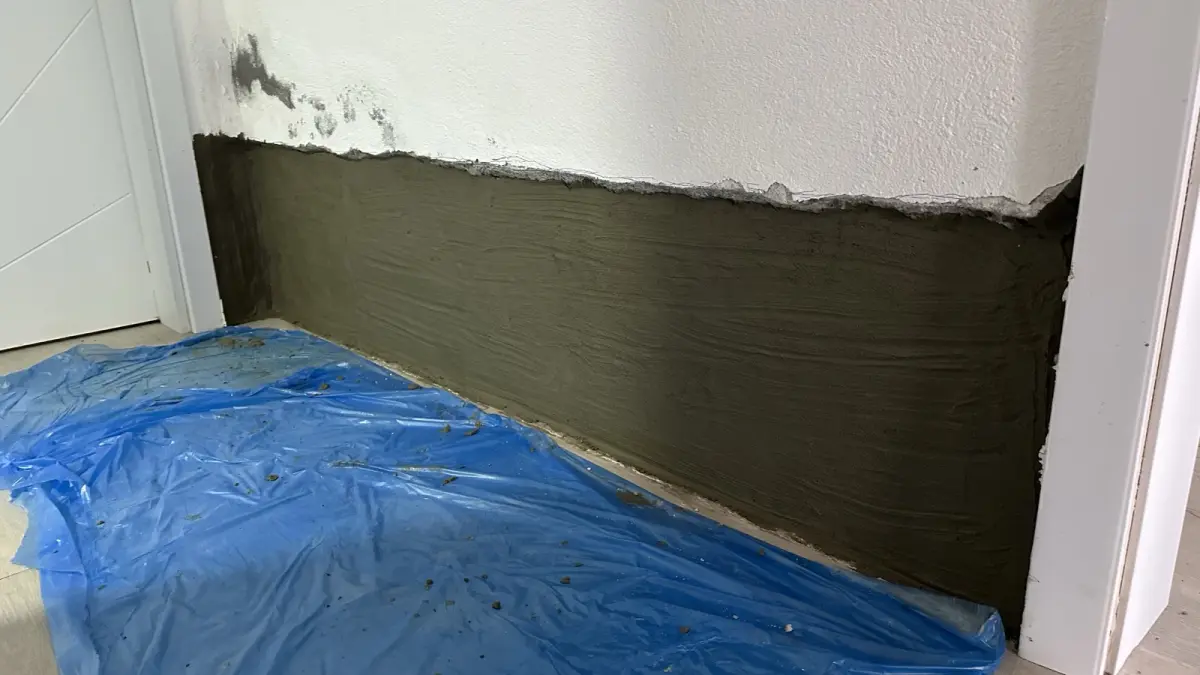
For rising damp, form a chemical barrier with the HydroFix + DampStop system. You can apply it yourself by following our application guide. For condensation, improve the ventilation. For leaks, carry out plumbing repairs.
3. Clean the Existing Mould
Once the source of the damp has been solved, clean up the existing mould growth. Small areas (less than 1 m2) can be cleaned with diluted bleach or special mould-cleaning products. Professional cleaning is recommended for large areas. Wear a dust mask, gloves and protective goggles during cleaning.
4. Improve Ventilation
Regular ventilation is one of the simplest and most effective ways to keep indoor humidity under control. Create cross-ventilation every day by opening windows on opposite sides for at least 10-15 minutes. Use an extractor fan in moisture-producing areas such as the bathroom and kitchen. If possible, install a mechanical ventilation system.
5. Monitor the Humidity Level
Check the indoor humidity level regularly with a hygrometer. If it rises above 60%, take additional measures (a dehumidifier, increased ventilation). Solving the source of the damp does not mean the humidity will automatically fall; it takes time for the existing moisture to dry out.
6. Wait for the Wall to Dry
After the HydroFix and DampStop application, it can take 4-16 weeks for the existing moisture inside the wall to evaporate and dry out. Ensure good ventilation during this time. Paint once the HydroFix surface has dried (at least 3 days), using a breathable paint; a plastic paint traps the moisture remaining in the wall.
When Should You See a Doctor?
Living in a damp environment does not affect everyone's health to the same degree. However, in the following situations it is advisable to consult a health professional:
- Chronic cough: a cough lasting longer than 3 weeks should be evaluated by a doctor.
- Shortness of breath: shortness of breath that worsens especially at night or during physical activity may be a sign of asthma.
- Recurrent respiratory infections: having more than 3-4 respiratory infections a year may indicate a problem related to the immune system or environmental factors.
- Allergic symptoms: symptoms such as sneezing, a runny nose and itchy eyes that are more pronounced at home may indicate a sensitivity to indoor allergens (mould, dust mites).
- Symptoms in children: recurrent wheezing, night cough or sleep disturbances in children should be taken seriously.
- Skin problems: unexplained skin rashes, itching or eczema flare-ups.
During your doctor's visit, it is important to mention the damp problem in your living environment. This information is critical for the correct diagnosis and treatment plan. Allergy tests can help you determine your sensitivity to mould allergens.
To protect your health, solving the damp problem at its source is the most effective approach. For rising damp, you can request a quote to find out the cost of the solution and browse the products in our shop.
Solve the Damp for Your Health
Eliminate the health risks of a damp environment. Act now for a permanent solution.