
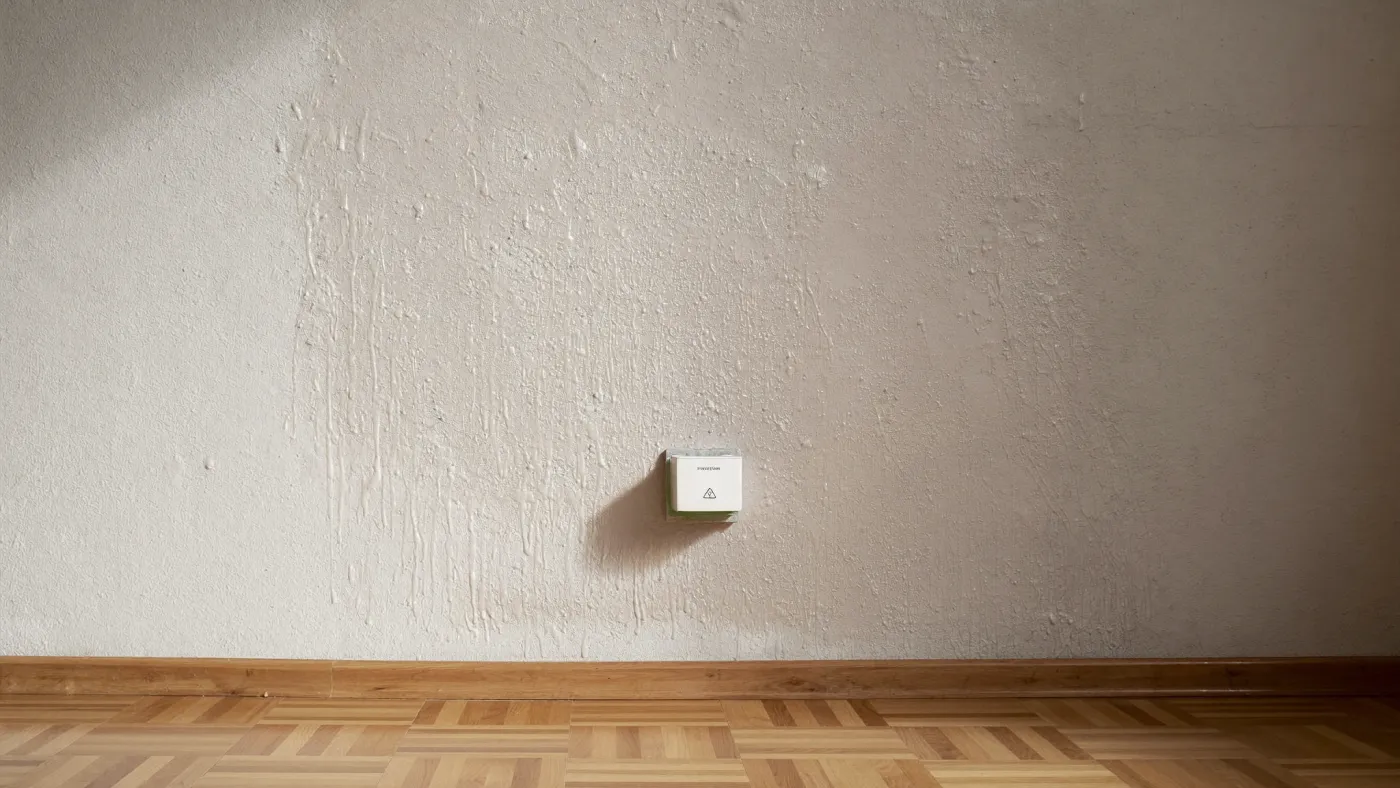
How to Prevent Wall Damp? 7 Effective Methods
Wall damp is a serious building problem that leads to both aesthetic and structural issues. Symptoms such as damp stains appearing on walls, mould growth and paint flaking can cause major expense if they are not addressed in time. So how is wall damp prevented? In this guide we cover in detail 7 effective methods that will let you solve wall damp permanently. This article focuses on preventing damp from forming. If damp has already started on your wall (stains, blistering paint, crumbling plaster), see our guide to a definitive solution for wall damp.
1. Identify the Source of the Damp
The first and most critical step in a wall damp solution is to identify correctly where the moisture is coming from. A damp problem can be fed by different sources: rising ground moisture, rainwater seeping in from the external facade, pipe leaks, condensation and inadequate ventilation are foremost among them.
Solutions applied without identifying the source remain temporary, and the problem reappears within a short time. For this reason, determining the moisture level in the walls with a professional moisture meter is of great importance. Correctly determining the source directly affects the choice of method to be applied in the following steps.
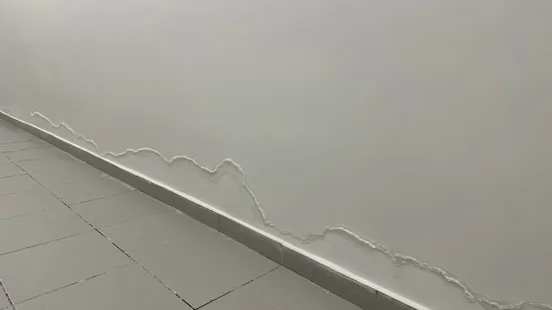
2. Improve the Ventilation System
Inadequate ventilation is one of the most common causes of wall damp. Especially in spaces with a high moisture level such as the bathroom, kitchen and basement, the moisture in the air condenses on the walls and sets the ground for damp to form.
Among damp-prevention methods, improving ventilation is a highly effective approach. You can apply the following steps:
- Open the windows regularly for natural ventilation and create a cross draught.
- Expel the moisture outdoors by using an extractor fan in bathrooms and kitchens.
- Install mechanical ventilation systems in basements.
- Position furniture that blocks air circulation at least 5-10 cm away from the wall.
- Dry laundry outdoors whenever possible; if you dry it indoors, always ventilate the room.
Regular ventilation keeps the indoor moisture level between 40-60% and significantly reduces condensation-related damp.
3. Apply a Damp Barrier (DampStop Injection)
The rising damp problem is frequently encountered, especially in old structures and on ground floors. Water rising from the ground moves upwards within the wall by capillary action and causes damp over large areas. In this case the most effective wall damp-prevention method is the application of a chemical injection barrier.
Dryvatec D101 DampStop Concentrate has a special formulation that, injected into the lower sections of the wall, fills the pores and prevents water from rising. The application steps are as follows:
- Holes are drilled at set intervals in the lower section of the wall.
- The DampStop solution is injected into these holes.
- The solution spreads within the wall to form a waterproof barrier.
- The barrier permanently stops the capillary rise of damp.
Because it can be applied to existing walls without any demolition, this method is both a practical and an economical solution. After application, the walls dry out gradually and the damp problem is permanently eliminated.
4. Use an Interior Damp-Proofing Plaster (HydroFix)
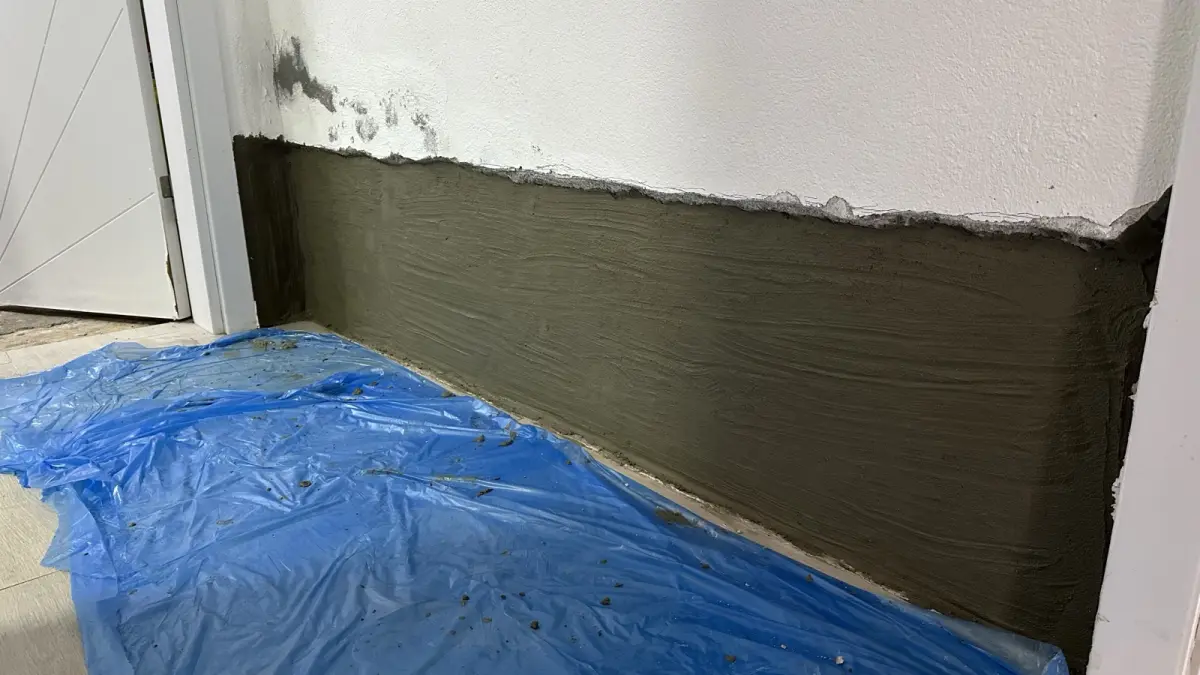
Before the damp barrier in the case of rising damp, or with condensation-related damp, it is of great importance to coat the interior surfaces with a suitable damp-proofing plaster. The correct order for rising damp: first the old, damp plaster is stripped, then HydroFix damp-proofing plaster is applied; once the plaster has dried (24–48 hours), the holes are drilled and the DampStop injection is carried out. Why? Stripping plaster can break open the cells of the bricks; if you inject first, the solution runs out through those breaks. If the plaster goes on first, the injection stays inside the brick without overflowing. Ordinary plasters do not withstand moisture and, flaking off within a short time, mask the problem rather than solve it.
Dryvatec HydroFix Two-Component Damp-Proofing Plaster is a professional product developed specifically for damp environments. While HydroFix forms a waterproof layer on the wall surface, it also provides a breathable structure that lets the moisture within the wall evaporate.
This property is critically important in the wall damp-prevention process. Whereas a completely sealed surface causes moisture to build up, the balanced structure of HydroFix keeps the moisture under control. The product also allows paint to be applied directly over the plaster and gives excellent results aesthetically as well.
5. Carry Out External Facade Waterproofing
One of the important sources of wall damp is rainwater seeping in from the external facade. Especially in wind-driven rain, water seeps into the wall through cracks and porous surfaces in the external facade and reveals itself as damp on the interior face.
For external facade waterproofing you can do the following:
- Repair cracks and breaks in the external facade as a priority.
- Use an external facade paint or coating with water-repellent properties.
- Check the silicone around window and door frames and renew it when necessary.
- Periodically check that the roof and gutter systems are working properly.
- Pay attention to the waterproofing details at the junction points between the ground and the wall.
External facade waterproofing is one of the most fundamental protective measures because it blocks the moisture at its source. When applied together with interior applications, comprehensive protection is achieved.
6. Check the Ground Drainage System
A large part of the damp problems experienced on ground floors and in basements stems from inadequate drainage. Rainwater and groundwater that accumulate around the building put pressure on the foundation and the lower sections of the wall and penetrate them.
The points to pay attention to for an effective drainage system are as follows:
- The ground slope around the building should be ensured to fall away from the building.
- Drainage pipes around the foundation should be checked and any blocked ones cleared.
- If deemed necessary, a French drain system should be installed.
- Whether the rainwater drains are working properly should be inspected regularly.
- Applying a waterproofing membrane to the basement walls from the outside should be considered.
Proper functioning of the drainage system significantly reduces rising damp and lateral water pressure. This is a fundamental step that increases the effectiveness of the other damp-prevention methods.
7. Have a Professional Moisture Measurement Carried Out
The most reliable answer to the question of how to prevent wall damp is to obtain professional support. Detailed analysis carried out with moisture meters reveals precisely the extent and source of the problem. A professional assessment covers the following:
- Measuring the moisture level in different wall areas and depths.
- Detecting invisible damp areas with a thermal camera.
- Determining the source of the moisture: distinguishing rising damp, condensation or leakage.
- Preparing a solution proposal and application plan specific to the structure.
Measurements carried out with a moisture meter clearly show the extent of the damage and prevent unnecessary expense. The right diagnosis is the foundation of the right treatment; this principle applies to damp problems as well.
Conclusion
Wall damp is a serious problem that, when ignored, threatens both health and structural safety. However, it is possible to find a permanent solution with the right methods and professional products. Systematically applying steps such as identifying the source of the moisture, followed by improving ventilation, a DampStop injection barrier, HydroFix damp-proofing plaster, external facade waterproofing, drainage control and professional measurement lets you solve the damp on your walls at its root.
At Dryvatec, we stand by you with our expert staff and professional product range in the field of wall damp prevention. To get rid of the damp problem on your walls permanently, get in touch with us and let us create a solution plan specific to your building together.
You may also find these useful: What to do about a wall letting in water from outside? · What should indoor humidity be?
Looking for a solution to your damp problem?
Our expert team is ready to offer you the most suitable solution.