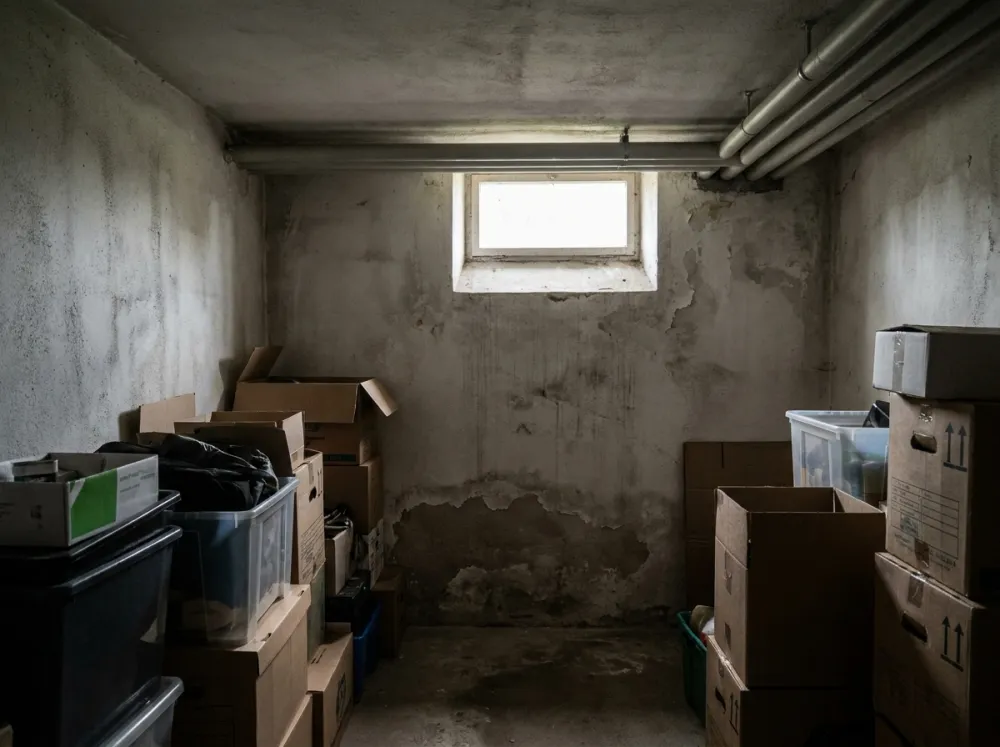
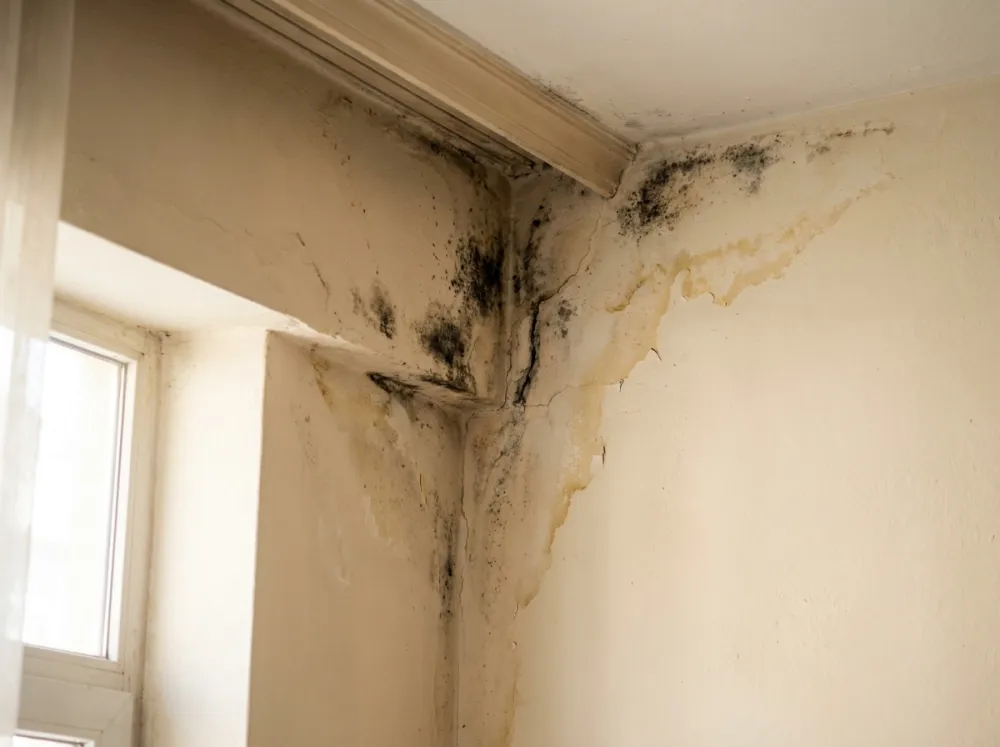
📌 In short
Damp on upper floors, on the ceiling or around windows is not rising damp: the wall has no contact with the ground, so water is getting in from somewhere — the roof, a terrace or balcony, the façade, window joints or plumbing. Injection does not solve this; first the point of entry is found and repaired, then the surface is renewed once the wall has dried.
Is This Page for You?
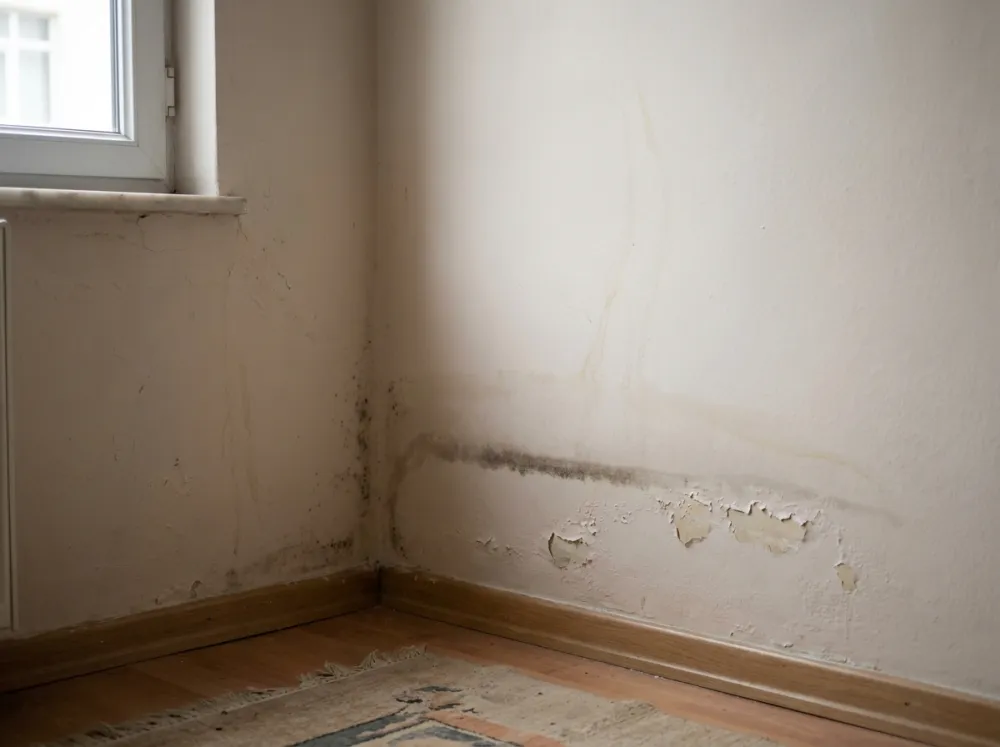
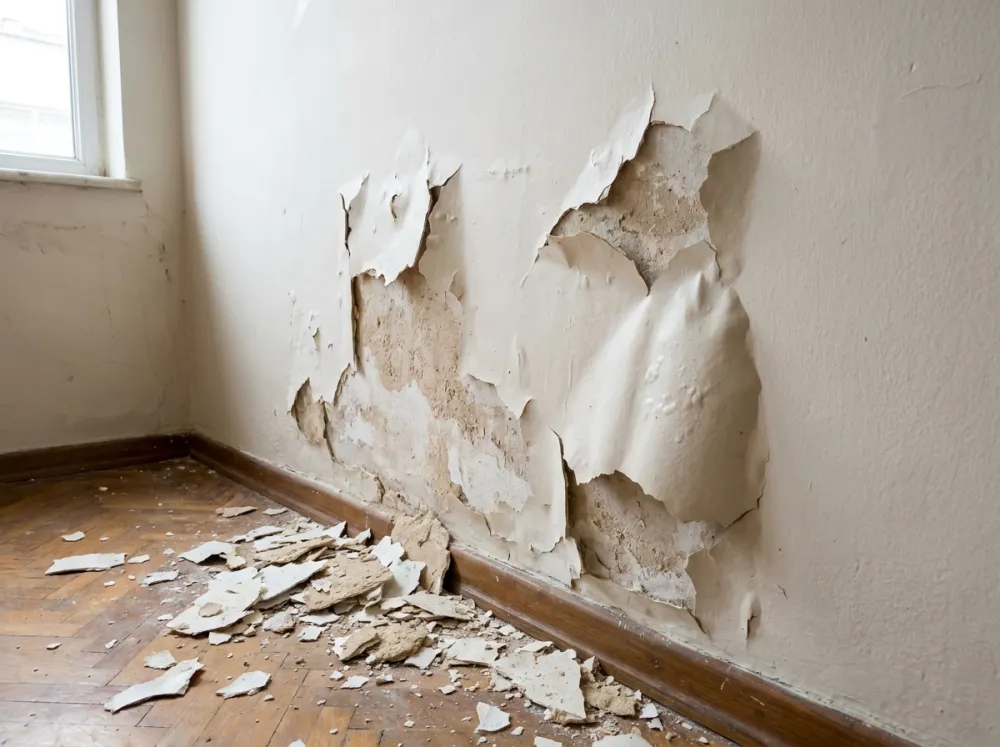
- Your home is not on the ground floor or in a basement, and there are stains, bubbling or flaking on the wall.
- You see yellowish ring-shaped marks on the ceiling, or a stain that grows after rain.
- The wall gets wet below the window, at sill level, or along the window edge.
- The stains get worse with rain and fade in dry weather.
Where Is the Water Coming From? Likely Source by Symptom
| Symptom | Likely source | What to do |
|---|---|---|
| Yellowish ring-shaped stain on the ceiling that grows after rain | Roof (tiles, gutters, chimney base) or a terrace/balcony above | Repair the roof or terrace waterproofing |
| Wetness below the window, at sill level | Sill sloping inwards, failed joint/silicone between window and wall, façade cracks | Repair the sill and joints, renew the seals |
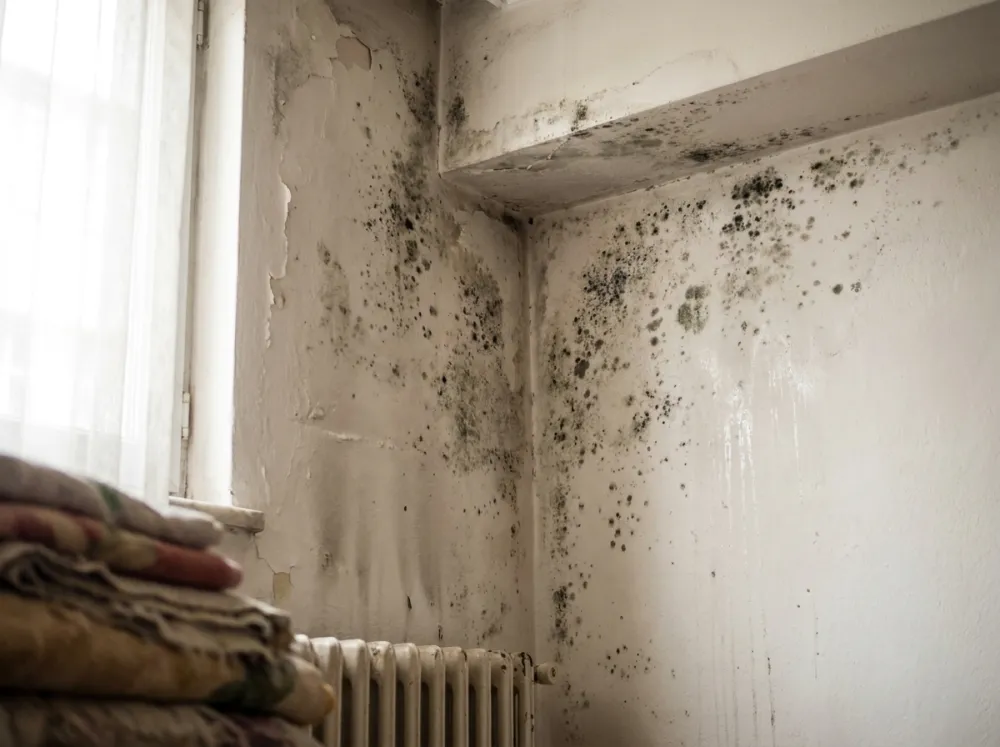
| Condensation on the glass and black spots at the window edge, worse in winter | Condensation (water is not coming in from outside) | Ventilation and thermal bridges — ceiling and corner mould |
| Local, growing stain mid-wall, independent of the weather | Plumbing (water, heating or waste pipe) | Leak detection and pipe repair |
| Damp at the base of a wall on an upper floor | Balcony/terrace above, a wet room or plumbing — not rising damp | Find the source; no injection |
| Water running or dripping from a crack | Active leak | Temporary stop with a water plug until the source is repaired |
Why Injection Is Not the Answer Here
DampStop injection creates a barrier against water rising by capillary action from the ground into the wall. On upper floors the wall does not touch the ground; the moisture comes from above or from the side. Injection would cost money without solving the problem.
HydroFix damp-proofing plaster can keep the surface looking dry for a while, but as long as water keeps getting in, its capacity is exceeded and damp, bubbling and mould return. The water ingress must be stopped first.
The Right Order: Source First, Surface Second
- Find the source: Watch whether the stain changes with rain; have the floor above, terrace, roof and window joints checked. If the stain grows regardless of the weather, have a plumbing leak test done.
- Repair the source: Roof/terrace waterproofing, sill and joint repairs, façade cracks or plumbing. If water is running, it can be stopped temporarily with N111 Stop water plug until the permanent repair.
- Let the wall dry: Drying time depends on the season and how deep the wetness goes. The surface may look dry while the inside is still damp; check with a moisture meter if you can. Do not plaster or paint a wet wall.
- Repair the surface: Scrape off bubbling paint and damaged plaster, level the surface with a thin repair mortar (R102 Repair Mortar T), use a stain-blocking primer on remaining marks, then a breathable paint.
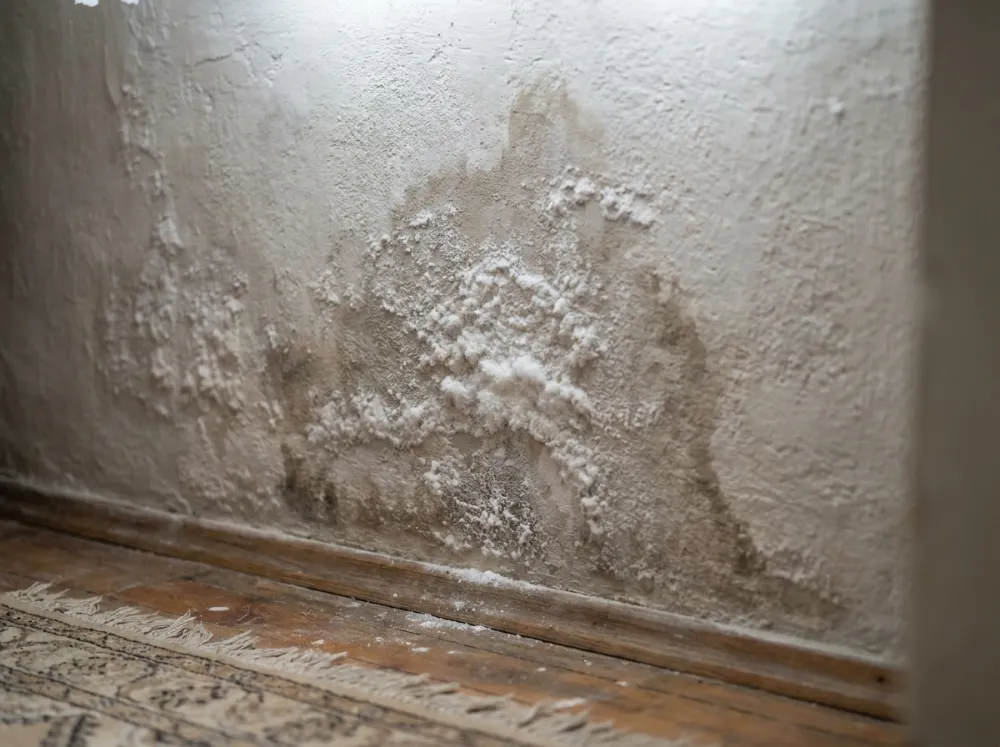
Note: If ground-floor walls in the same building also show a damp line, salt marks or bubbling paint in their lower section, that part may be rising damp — see damp line on the wall.
Products Used for Source Repair and the Surface
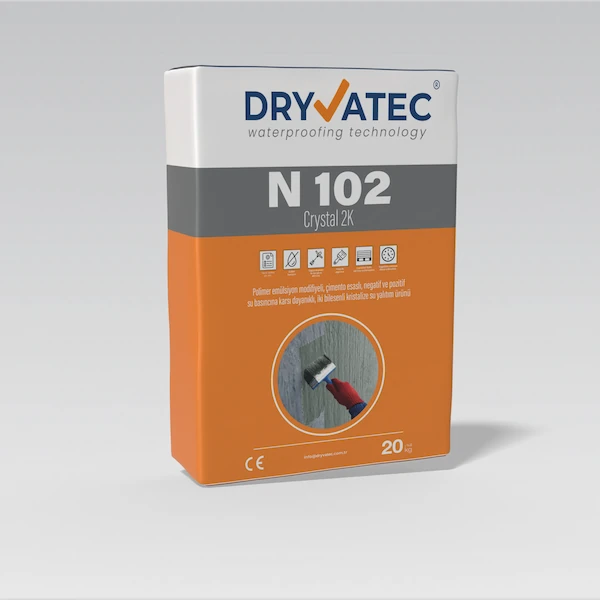
N111 Stop Water Plug
Rapid-setting mortar that stops water running from cracks, joints or concrete surfaces within seconds.
View Product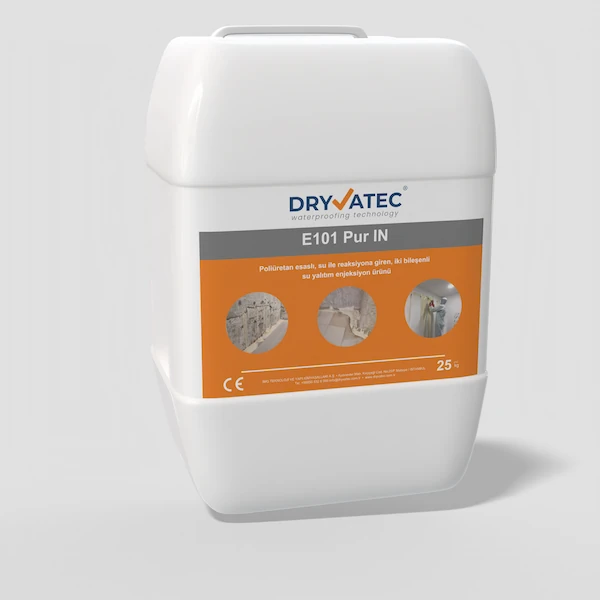
E101 Pur In Polyurethane Injection
Injection that expands on contact with water and fills cracks; professional application for active leaks.
View Product
R102 Repair Mortar T
Thin-section surface repair on walls and ceilings before painting or waterproofing.
View ProductThese products are sold on quotation; write to us for price and quantities.
Frequently Asked Questions
I live on an upper floor and the lower part of my wall is damp. Could it be rising damp?
Usually not. Rising damp occurs in walls in contact with the ground. On upper floors, damp at the base of a wall usually comes from a balcony/terrace above, a wet room (bathroom, kitchen) or plumbing. The source has to be found first; injection is not the solution here.
The roof has been repaired; how do I cover the stain on the ceiling?
First let the ceiling dry completely; drying time depends on the season and how wet it got. Then scrape off bubbling paint and damaged plaster, level the surface with a thin repair mortar, apply a stain-blocking primer to remaining marks and finish with a breathable paint. Paint applied to a wet surface soon bubbles again.
Why does the wall get wet around the window?
The most common causes are a sill sloping inwards, a failed joint or silicone between window and wall, and cracks in the façade. If there is condensation on the glass and black spots at the window edge in winter, the problem may be condensation; then ventilation and thermal bridges need attention.
Does Dryvatec have a product for this?
Repairing the source is usually a roofing, façade or plumbing job. For active leaks, N111 Stop water plug and E101 polyurethane injection are used; for the surface, R102 repair mortar. If you are not sure which you need, send us photos and our technical team will assess them.
Not sure? Send photos and we'll take a look
Send photos of the stain, the whole wall and, if possible, the same section from outside; our technical team will assess the source and reply to you. Free of charge, no obligation to buy.