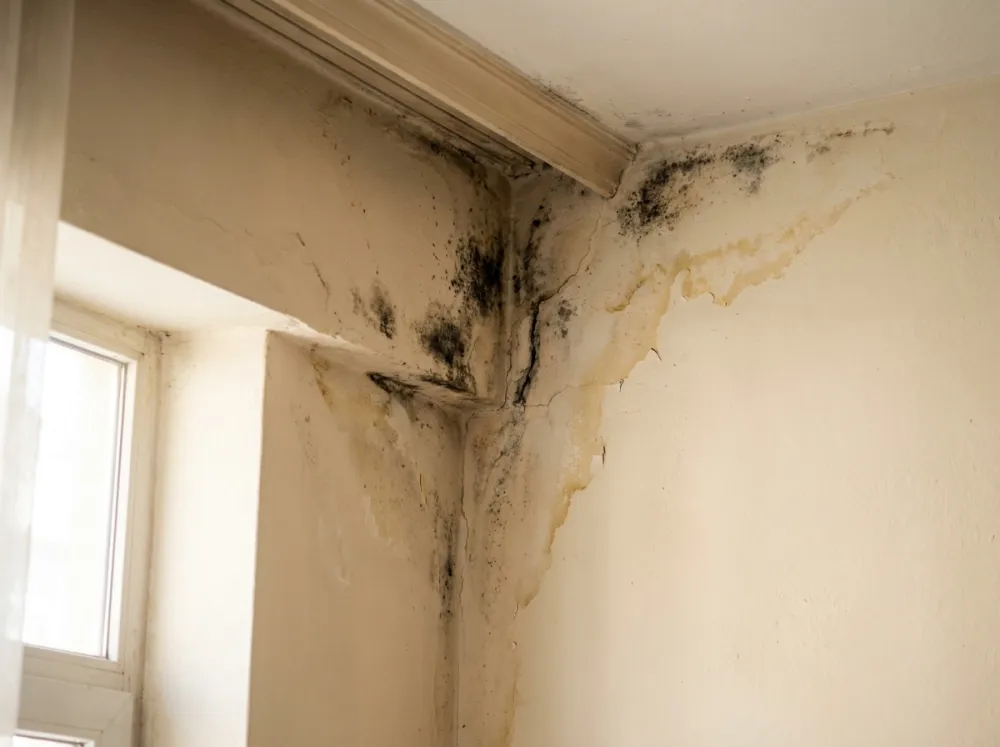
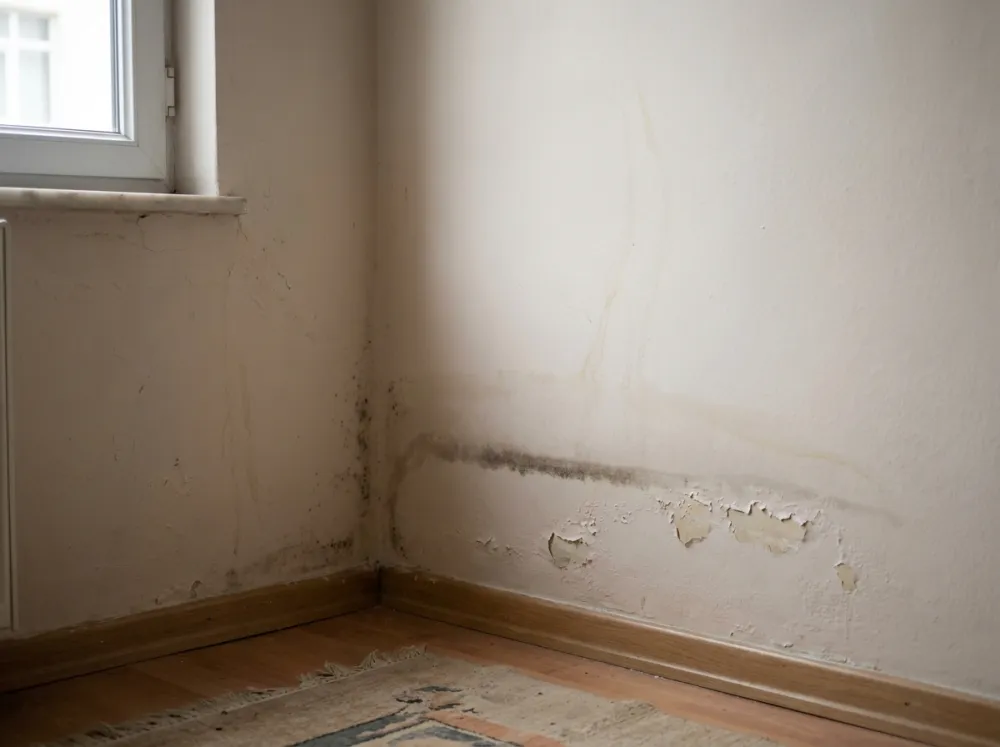
📌 In short
If you can see a horizontal dark mark and map-like stains creeping up from the floor on the lower part of your wall, it is most likely rising damp: water in the ground climbs up through the wall's pores just as tea climbs up a napkin. Covering it with paint does not fix it; the permanent solution is to create a damp-proof barrier inside the wall (DampStop injection) and renew the surface with breathable plaster (HydroFix).
What Actually Is This Line?
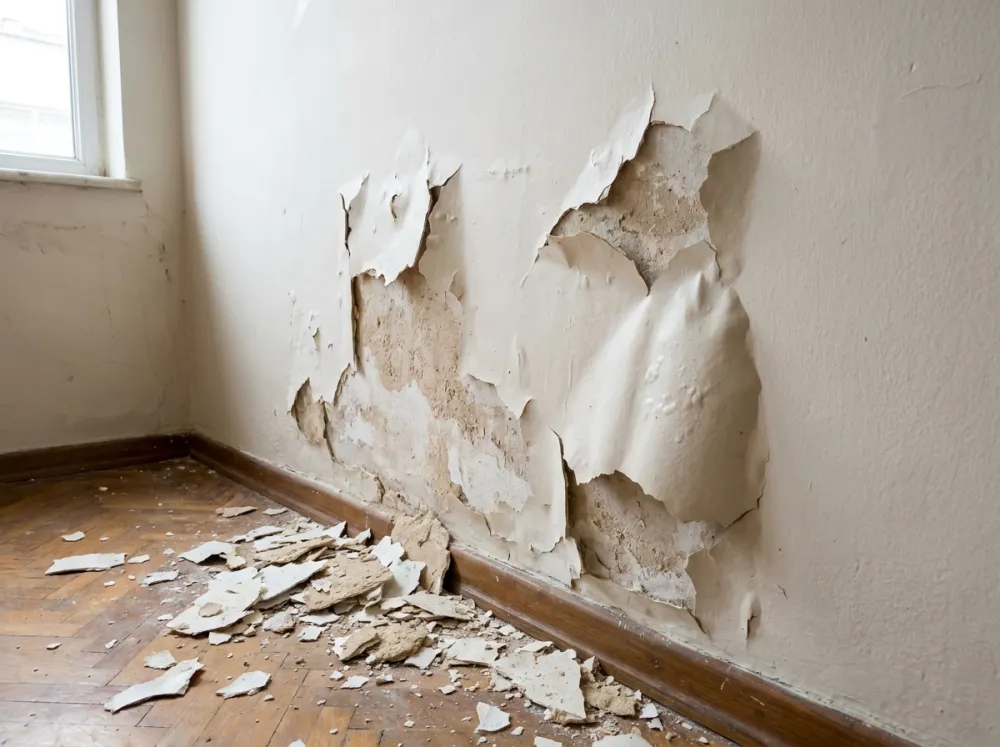
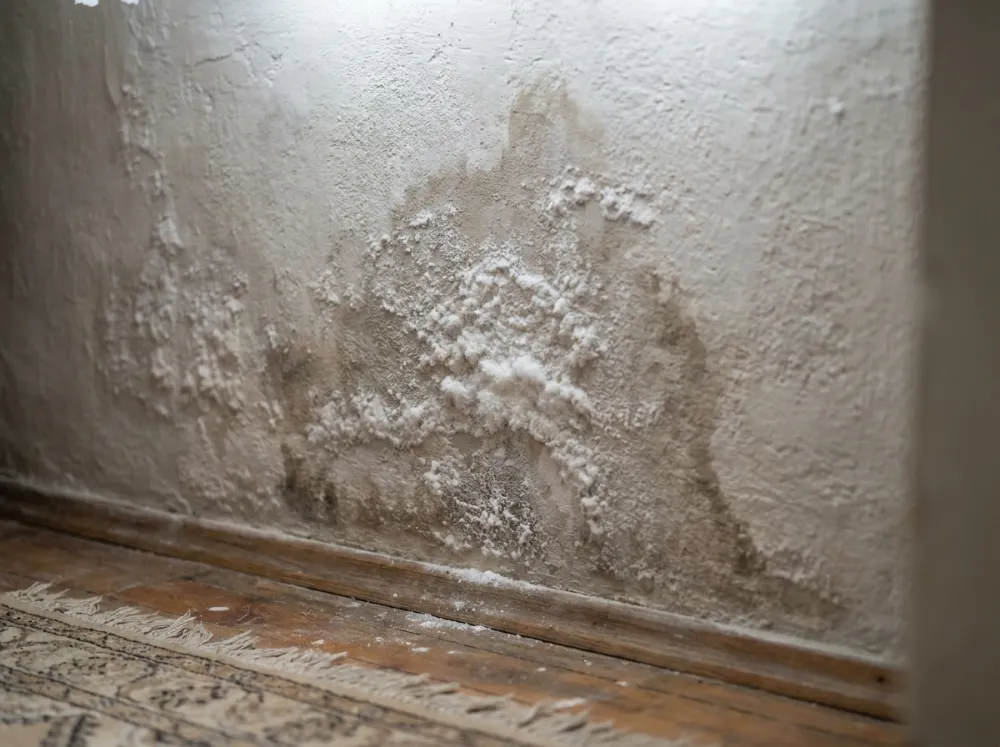
The dark, wavy, map-patterned mark on the lower part of the wall is the water inside the wall showing itself on the outside. Brick, breeze block, stone and mortar are actually like sponges: they are riddled with millions of invisible fine channels (pores). If the wall's footing is in contact with the ground and there is no barrier in between, the water in the soil is drawn up through these channels — exactly like wetness climbing a napkin when you dip its tip into tea. This is known as capillary action.
As the water rises through the wall, it also evaporates from the surface. The boundary between the highest point the wetness can reach and the zone that dries out forms that familiar horizontal damp line. That is why the line usually sits somewhere between 30 cm and 1.5 metres above the floor.
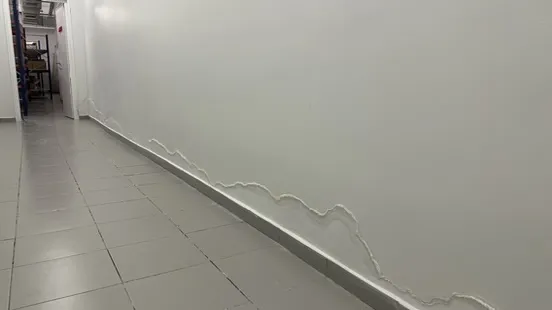
Why Is It Happening to My Wall?
A damp line is not a cleaning or ventilation issue; the cause is structural. The three most common situations:
- No damp-proof course in the footing: Especially in older buildings, no water-blocking layer was ever installed between the foundation and the wall.
- The barrier has aged: The existing bitumen/felt-based layer has cracked over time and no longer does its job.
- The ground level has changed: A road, pavement or garden landscaping added later has raised the soil level, leaving the wall buried in the ground.
The outcome is the same: the wall turns into a wick that continuously draws water from the ground. That is why the problem does not go away on its own; it may seem to ease in the summer months, but it comes back every winter and climbs a little higher each year.
Does This Sound Familiar? Quick Checklist
If two or more of the following apply, you are most likely dealing with rising damp:
- The stain is in the lower zone of the wall, forming a band parallel to the floor
- The skirting and the base of the wall feel cool/damp to the touch
- Paint is blistering or flaking on the lower sections
- White, cotton-like powder (salt efflorescence) collects at the base of the wall
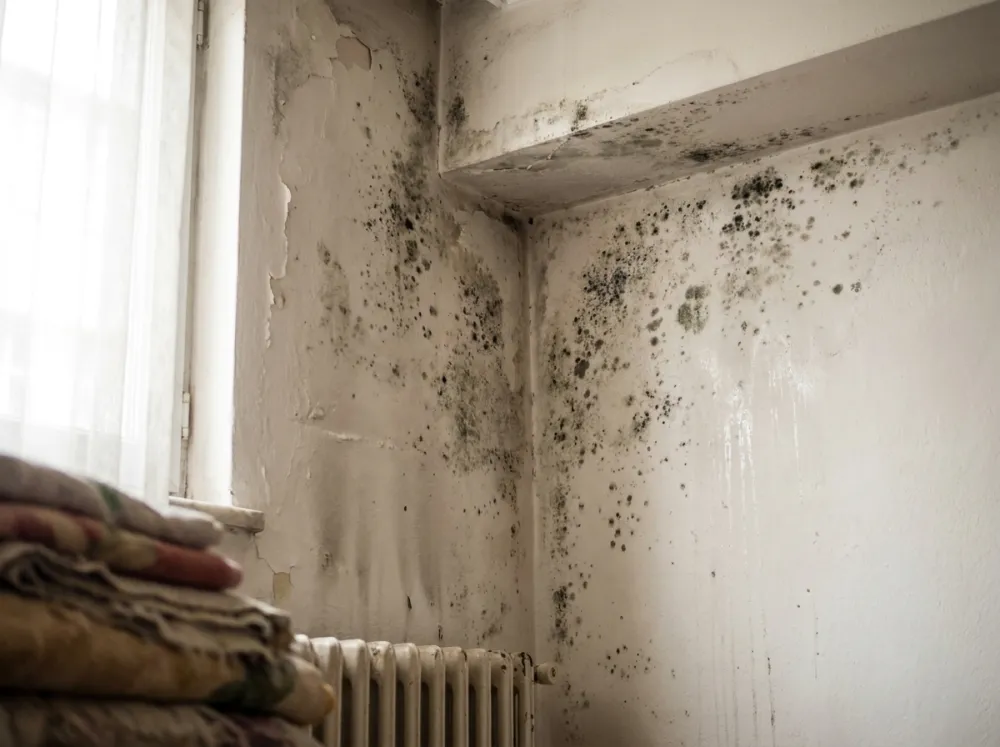
- There is a heavy, mould-like smell in the room
- The stain sharpens in winter and fades in summer but never disappears completely
To be sure, you can run the simple foil test: tape a 50x50 cm sheet of aluminium foil over the stain with the edges sealed. After 24-48 hours, if the side of the foil facing the wall is wet, the water is coming from inside (rising damp); if the room side is wet, the problem is humidity in the air condensing on the wall. For the condensation case, see our ceiling and corner mould page.
The Permanent Solution: Cutting Off the Water's Path
No matter how much you repair the surface, the damage returns as long as the water keeps coming. The permanent solution consists of two steps, and the order matters:
- Renew the surface with breathable plaster (HydroFix): First the damaged plaster is stripped and replaced with HydroFix damp-proofing plaster. HydroFix lets the moisture remaining in the wall escape by evaporation and is resistant to salt damage; the wall dries out and the surface is protected against new damage.
- Create a damp-proof barrier (DampStop): Once the HydroFix has dried (24–48 hours), holes are drilled at set intervals along the bottom course of the wall and DampStop injection is applied. The material spreads through the pores and forms a silane/siloxane-based water-repellent barrier. The water can no longer climb. Why this order? Stripping plaster can break open the cells of the bricks; if you inject first, the solution runs out through those breaks. If the plaster goes on first, the injection stays inside the brick without overflowing.
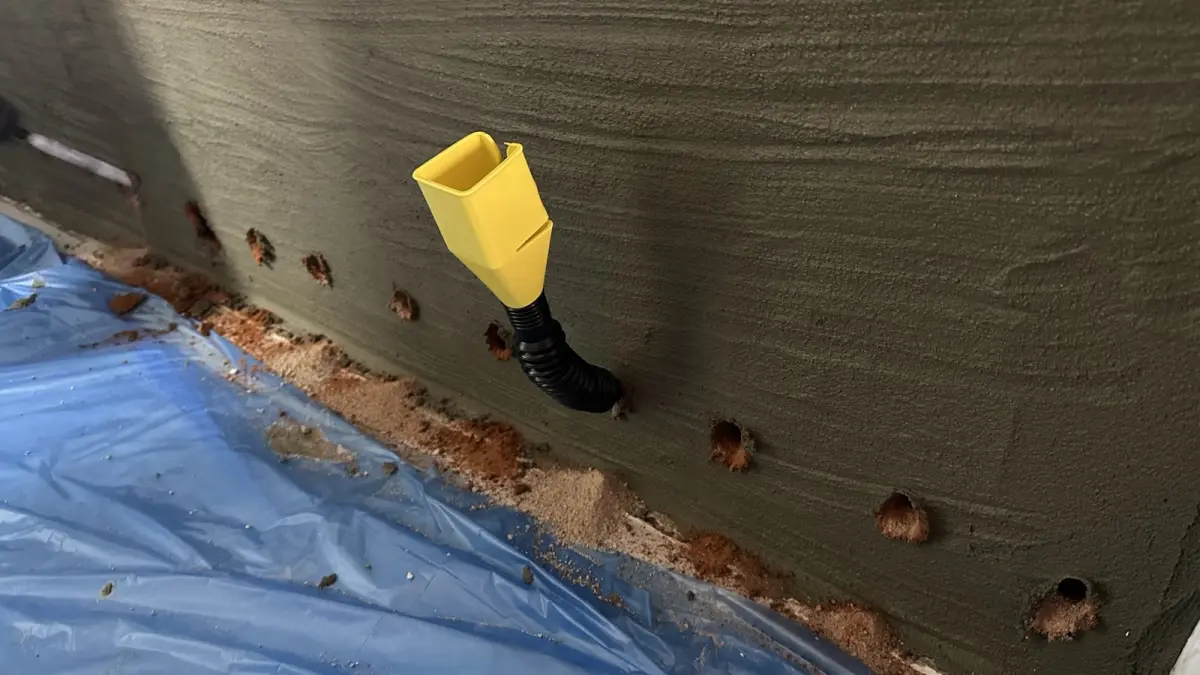
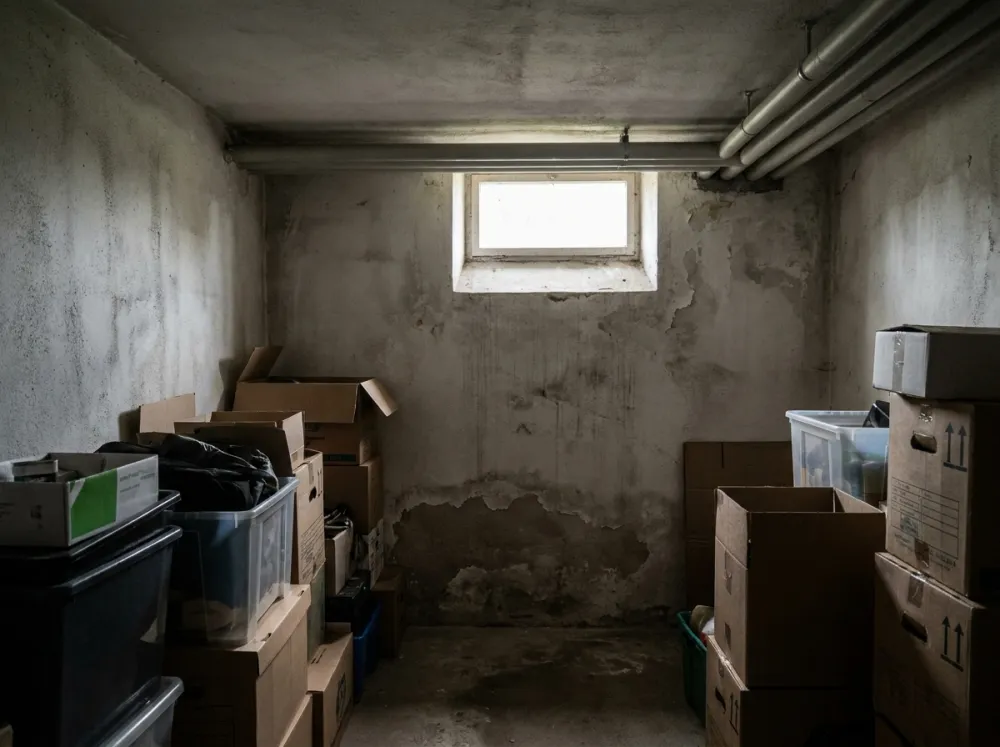
If there is damp throughout the building, or damp also appears at the base of columns and in reinforced-concrete sections, the Damp Box (Nem Kutusu) is added to the system: it carries water reaching the foundation and rising in the columns back into the ground; it does not replace the injection in the walls. On basement walls set into the soil the Damp Box is not a solution on its own; PU injection and crystalline waterproofing are needed there (details: damp and water ingress in basements). We explain in detail how the three products work together on the Triple System page.
How Is It Applied? (93 seconds)
Products Used to Solve This Problem
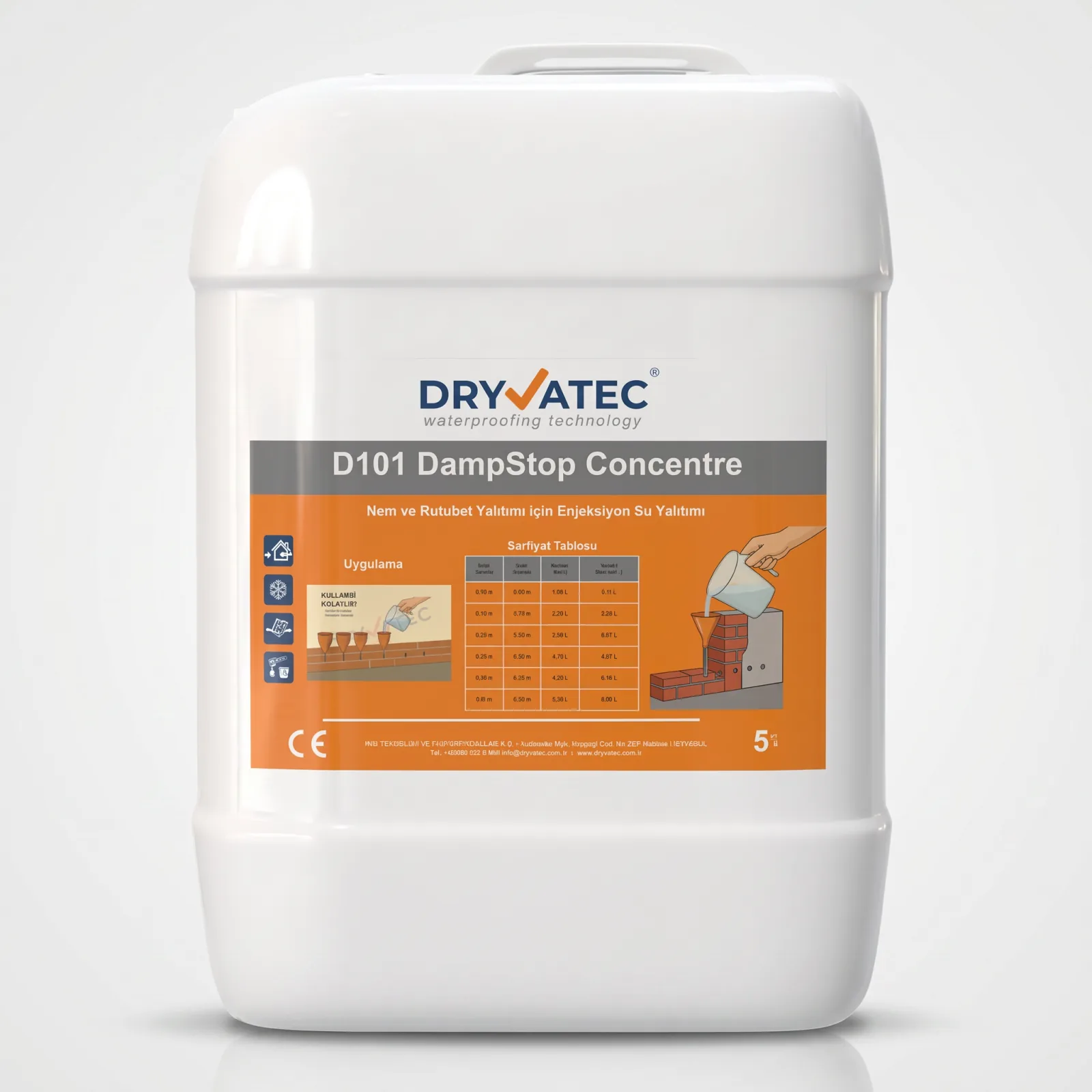
DampStop 5L Injection
Injected into holes drilled along the bottom course of the wall; forms a silane/siloxane barrier that stops the water from rising.
8.000₺ View Product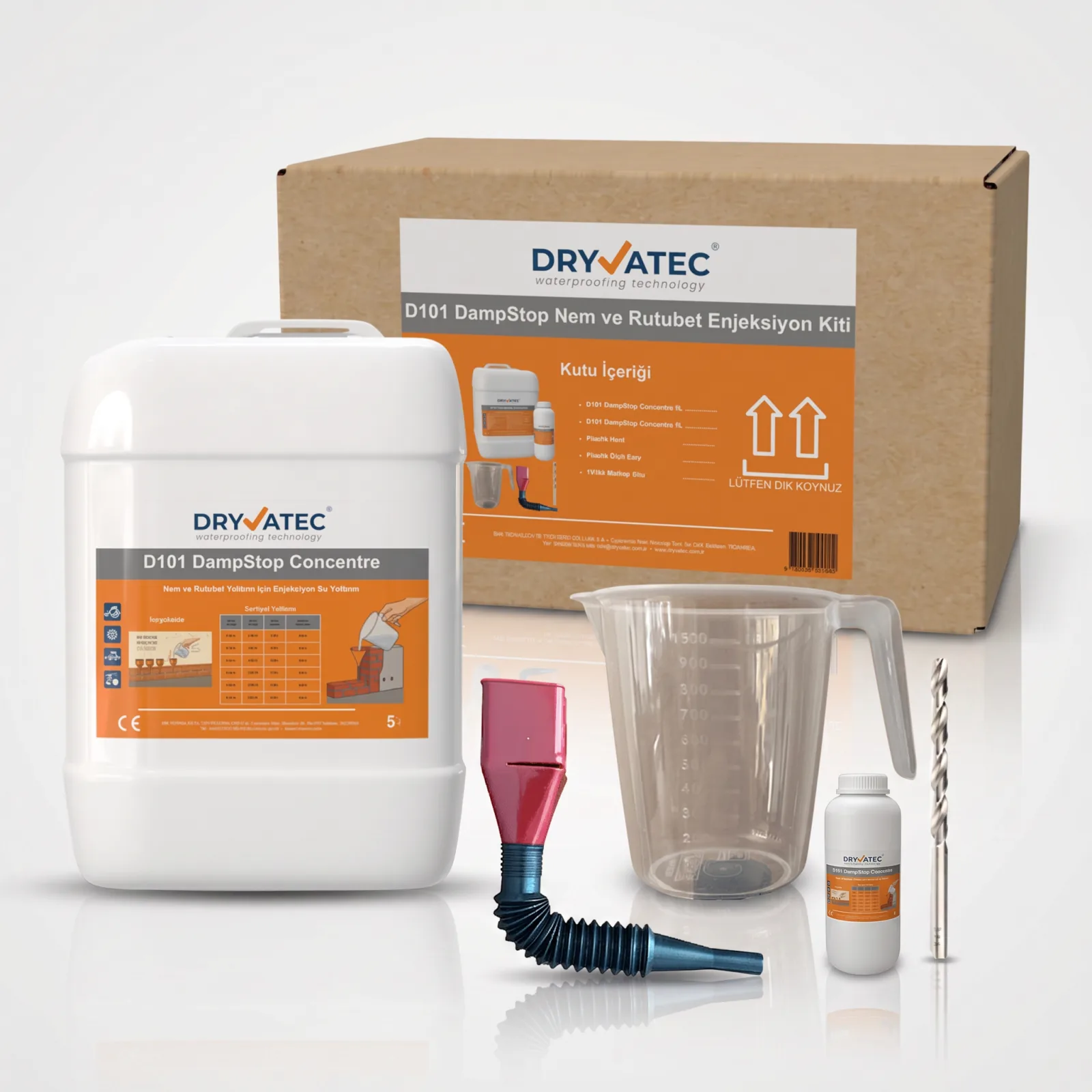
DampStop Complete Kit
DampStop 5 L concentrate + funnel, measuring jug and 14 mm drill bit. Everything you need for the injection in one box.
8.700₺ View Product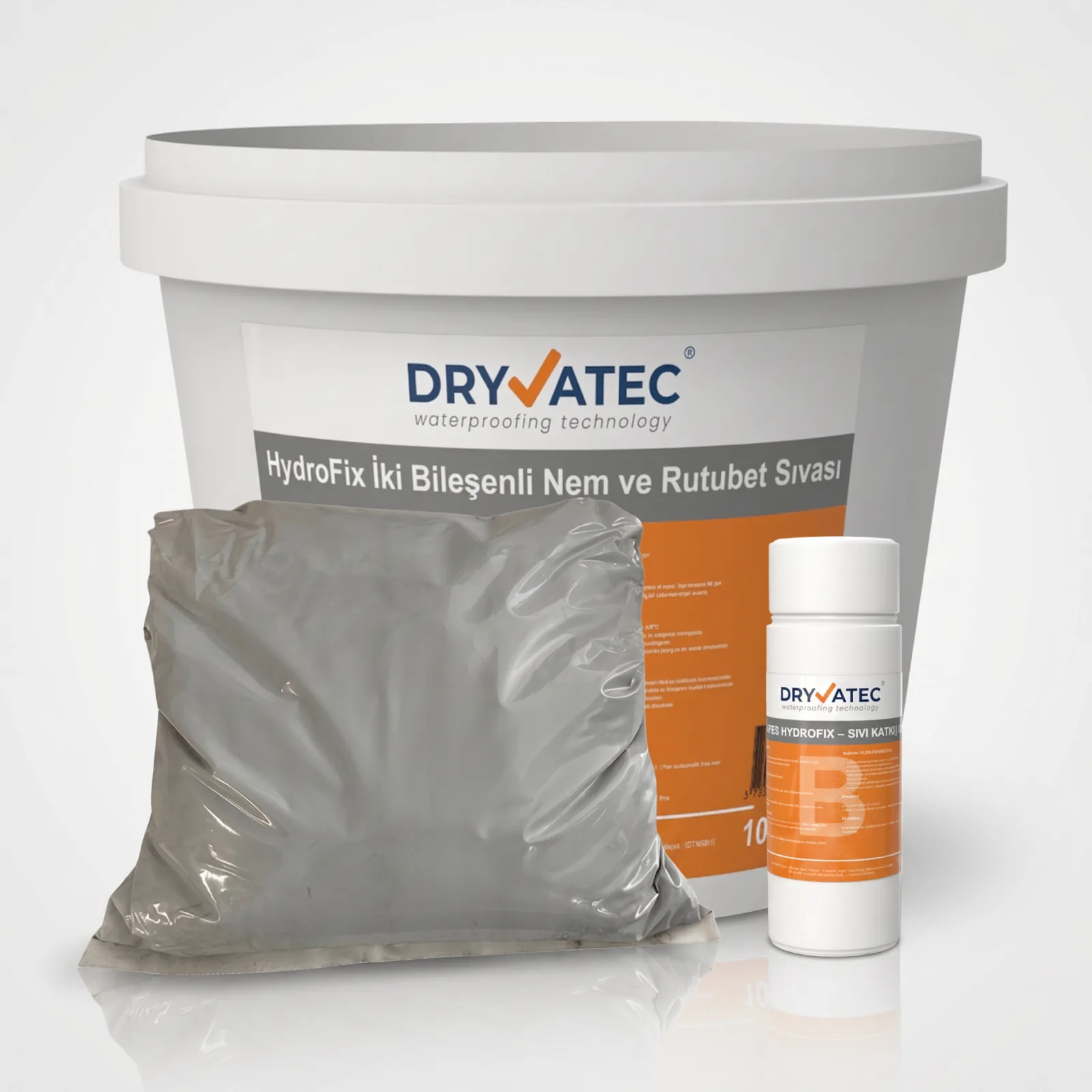
HydroFix 10 kg Damp-Proofing Plaster
Applied before the injection, in place of the stripped plaster; a breathable, salt-resistant repair plaster.
1.500₺ View ProductSee how the three products work together: The Triple System →
Frequently Asked Questions
Can't I just cover the damp line with paint?
No — that only hides it for a few months. Because the water keeps coming from inside the wall, the paint soon blisters and the stain returns in exactly the same place. For a lasting result, the path the water climbs must be cut off with DampStop injection and the surface renewed with a breathable plaster; in the correct order, the plaster is stripped and HydroFix applied first, and the injection follows once the plaster has dried.
How can I be sure the damp line is rising damp?
Three clues: the stain sits on the lower part of the wall and runs parallel to the floor; it rarely climbs higher than 1-1.5 metres; and it is accompanied by blistering paint, crumbling plaster or white salt marks. As a simple home test, tape a 50x50 cm sheet of aluminium foil to the wall, sealing the edges: if after 24-48 hours the side of the foil facing the wall is wet, the moisture is coming from inside.
How long does the fix take, and when will the wall dry out?
In most homes the injection work is finished within a day. Once the barrier has formed, the existing moisture inside the wall takes from a few weeks to a few months to evaporate, depending on wall thickness; HydroFix speeds up the drying during this period by letting the wall breathe.
Can I do the application myself?
Yes. The DampStop Complete Kit comes with a drilling template and the application equipment; anyone who can use a drill can carry out the application by following the instructions. And at any step you are unsure about, you can call our technical team for support.
Learn More: Related Guides
- What Is Rising Damp?
- How Can I Tell If the Damp on My Wall Is Rising Damp?
- Rising Damp vs Condensation: What Is the Difference?
- Damp Injection or External Insulation — Which Is Better?
Not sure? Send us a photo and we will tell you
Send photos of the problem area; our technical team will assess the cause as soon as possible and recommend a solution tailored to you. Free of charge, with no obligation to buy.