📌 In short
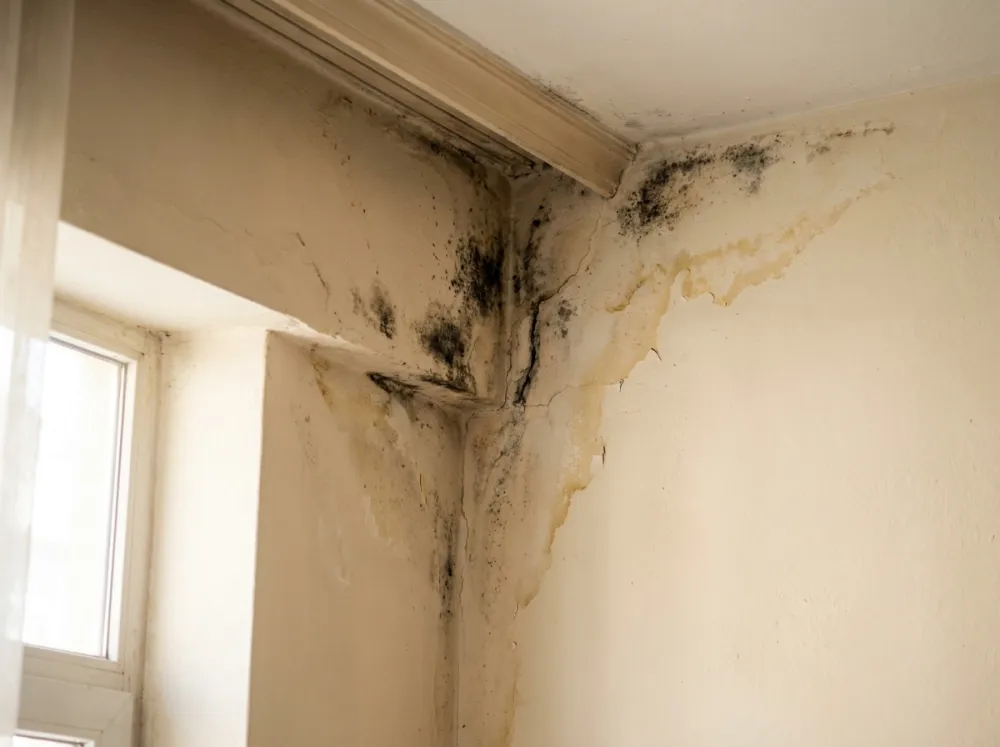
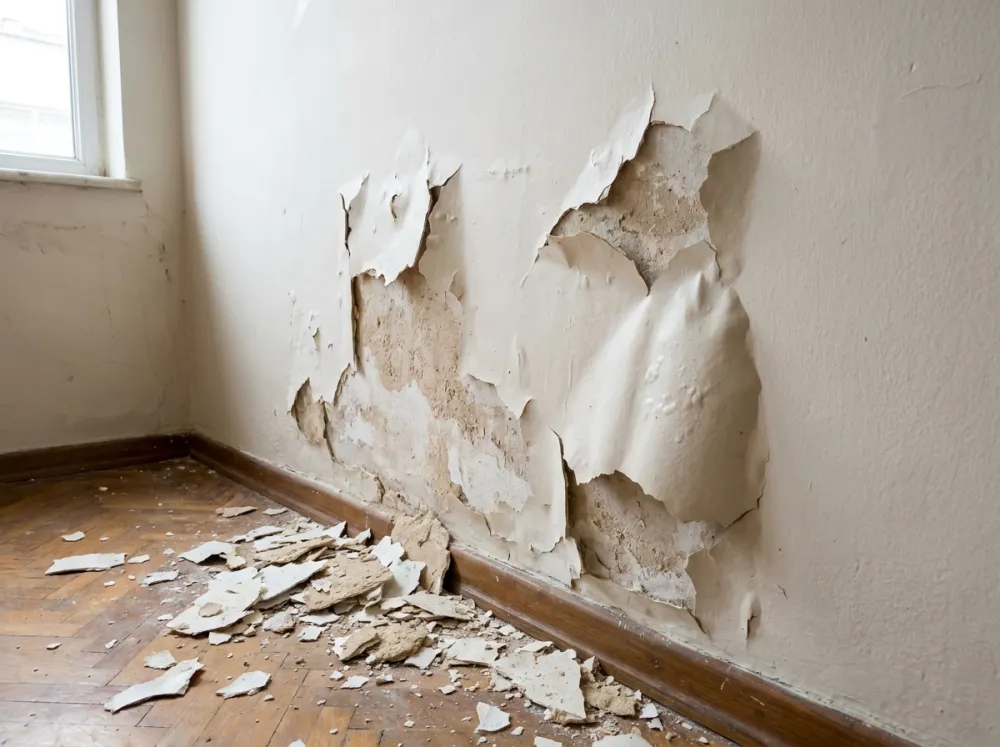
Paint and plaster blister and fall off because they are being pushed off by moisture and salt coming from inside the wall. As water evaporates inside the wall, the salts it carries crystallise; as the crystals grow, they push the paint and plaster outwards from within. That is why repainting or replastering the area does not solve anything — it blisters again in the same spot within a few months. This is how blistering wall paint is fixed: the blistered plaster is removed back to sound substrate, the surface is renewed with salt-resistant, breathable HydroFix damp-proofing plaster, once the plaster has dried the source of the damp is stopped with DampStop injection, and a breathable paint goes on last. We explain the 4 steps below.
Why Do Paint and Plaster Blister?
Blistering paint is usually blamed on bad paint or bad workmanship. Yet if it keeps blistering in the same place, the culprit is not the paint — it is the wall itself. Here is what happens:
- There is moisture inside the wall (usually water rising from the ground).
- As the water travels towards the surface, it carries along the salts it picks up from the soil and the mortar.
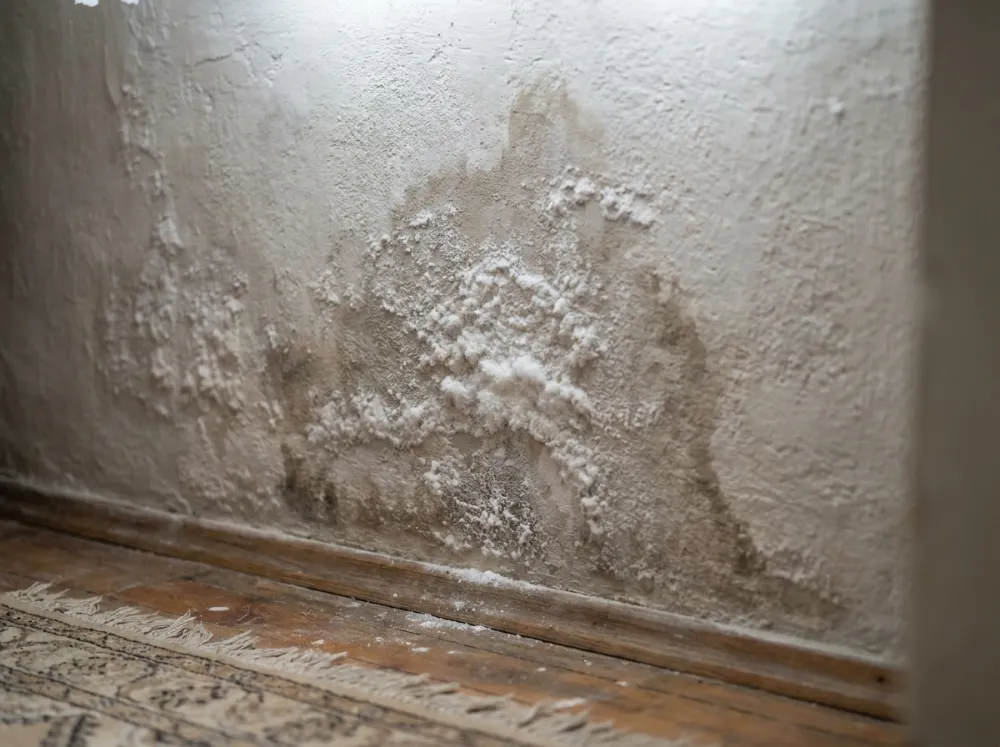
- When the water evaporates just below the surface, the salts stay behind and crystallise.
- As the salt crystals grow they expand in volume, pushing the paint — and even the plaster — outwards from within.
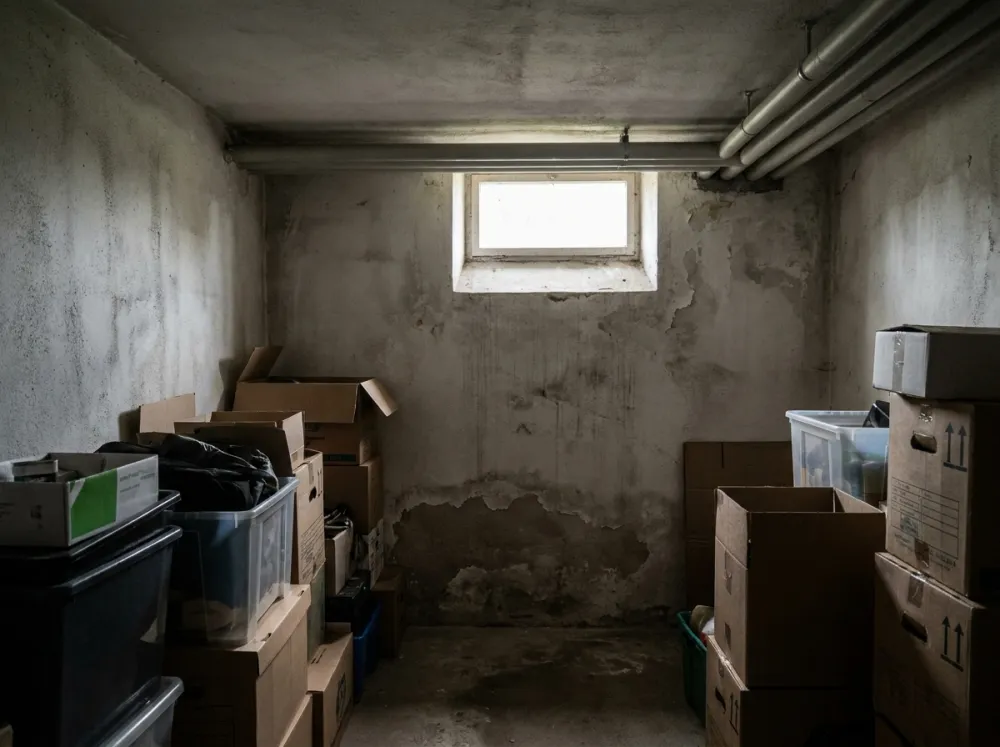
So blistering paint is in fact the first visible sign of a damp problem quietly progressing inside the wall. Crumbling plaster is the advanced stage of the same process: over the years, salt and moisture dissolve the bonds that hold the plaster to the wall.
Why Does It Come Back After Every Repaint?
Because painting covers the result of the problem but changes nothing about its cause. As long as water keeps entering the wall, the salt transport continues too; the new paint shares the same fate within a few months. What is more, every extra layer breathes a little less, so the moisture climbs higher inside the wall — in many of our customers' homes we see the blistering zone creep a little higher after each repaint.
For the same reason, "waterproof" paints and coatings backfire on a damp wall: they trap the moisture, the pressure builds, and the coating blows off from behind. We look at this in detail in can paint fix a damp problem?
Does This Sound Familiar? Quick Checklist
If two or more of the following apply, the problem is not the paint — it is the damp in the wall:
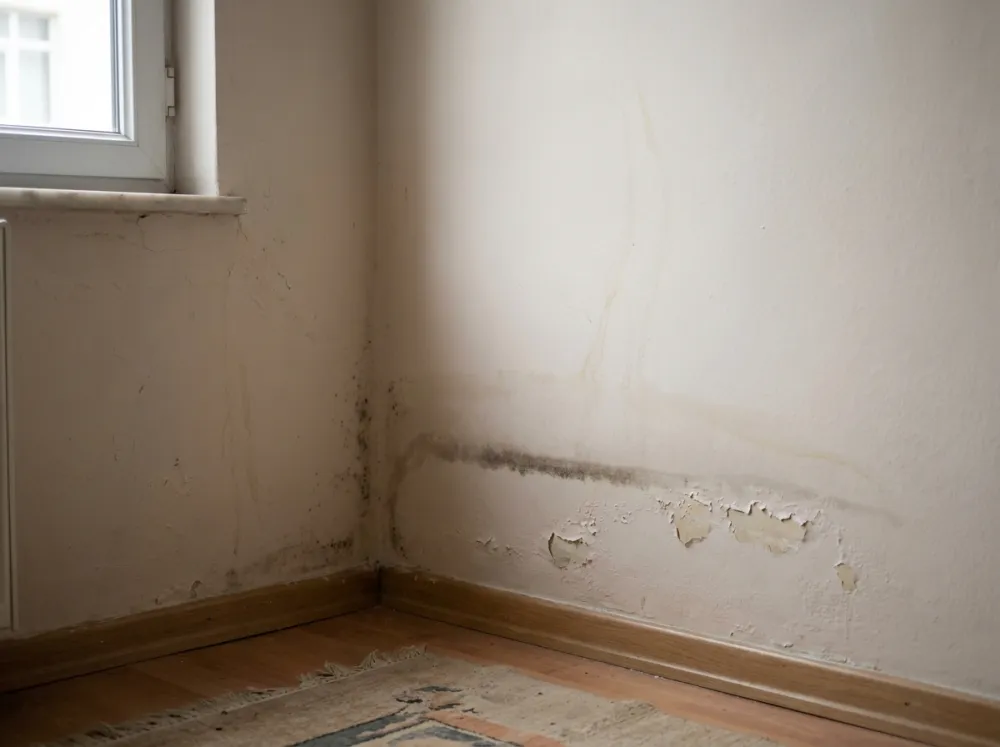
- The blistering keeps recurring in the same area, usually on the lower part of the wall
- White powder or sand-like grains fall out of the blisters
- The plaster has debonded at skirting level and sounds hollow when tapped
- There is a damp line or map-patterned staining along the base of the wall
- The problem becomes more pronounced in winter
If you can also see a horizontal damp mark around the blistering, have a look at the damp line on walls page; if white powdery deposits stand out, see the salt efflorescence page — the three are very often different faces of the same problem.
How to Fix Blistering Wall Paint: 4 Steps
The order matters: first the damaged plaster is removed and HydroFix is applied; once the plaster has dried, DampStop injection stops the source of the damp. Why this order? Stripping plaster can break open the cells of the bricks; if you inject first, the solution runs out through those breaks. If the plaster goes on first, the injection stays inside the brick without overflowing.
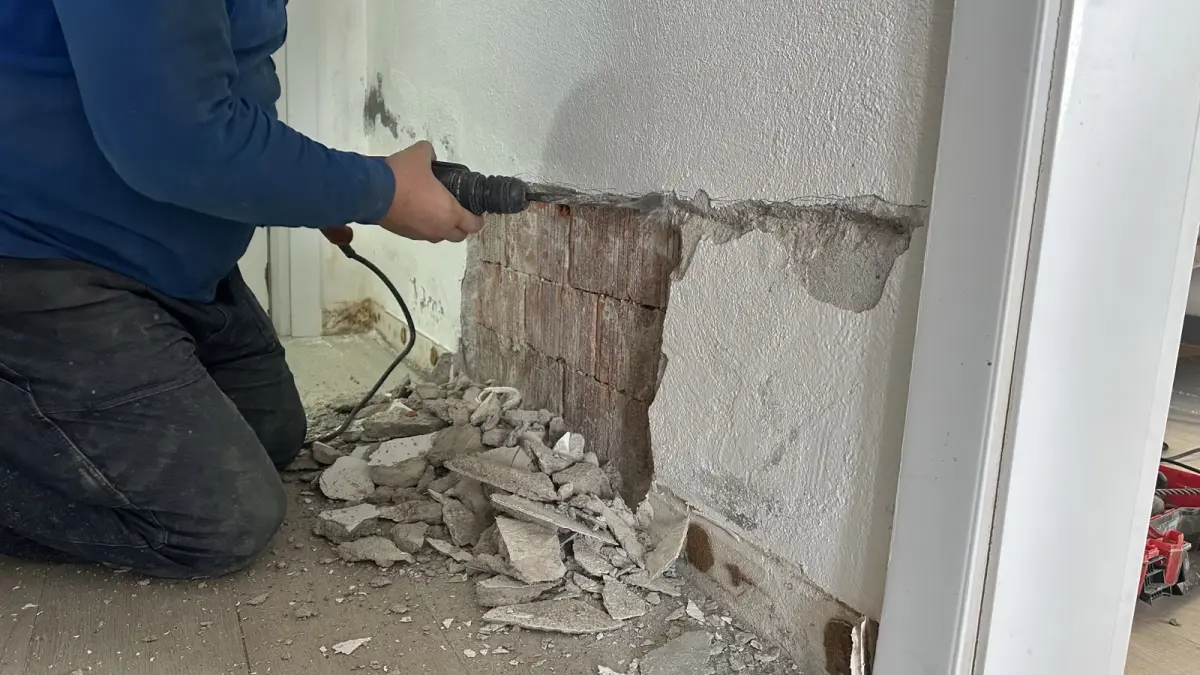
- Remove the damaged plaster: The blistered, salt-laden plaster is chipped away back to sound substrate (together with roughly 50 cm around the damaged area).
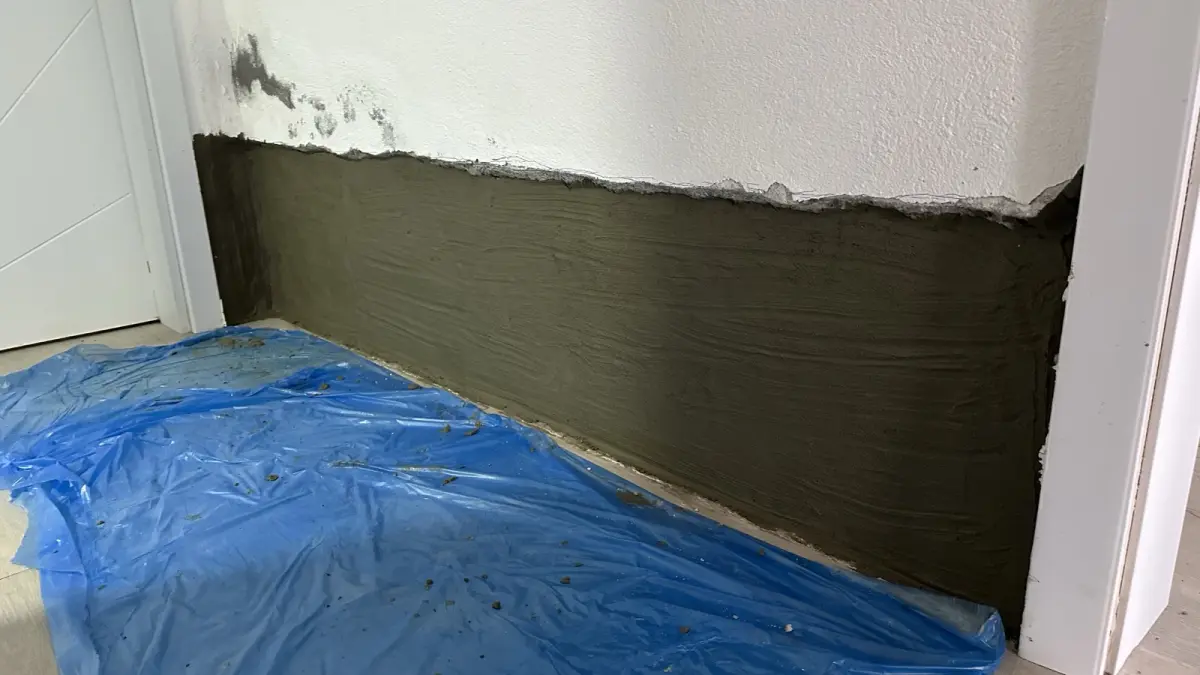
- Apply breathable plaster: The surface is renewed with HydroFix damp-proofing plaster. HydroFix releases the remaining moisture in the wall without trapping it and is resistant to salt damage — the blistering cycle ends here.
- Stop the source of the damp: Once the HydroFix has dried (24–48 hours), if the blistering is caused by rising damp, DampStop injection is applied along the bottom course of the wall; a permanent water-repellent barrier forms in the pores. The holes are sealed at least 48 hours after the injection.
- Choose the right paint: A breathable (diffusion-open) paint is used as the final coat; waterproof layers are avoided.
If you would like to carry out the whole application yourself, the DampStop Complete Kit brings the necessary materials and equipment together in a single box, and the step-by-step application guide walks you through the process.
How Is It Applied? (93 seconds)
Products Used to Solve This Problem
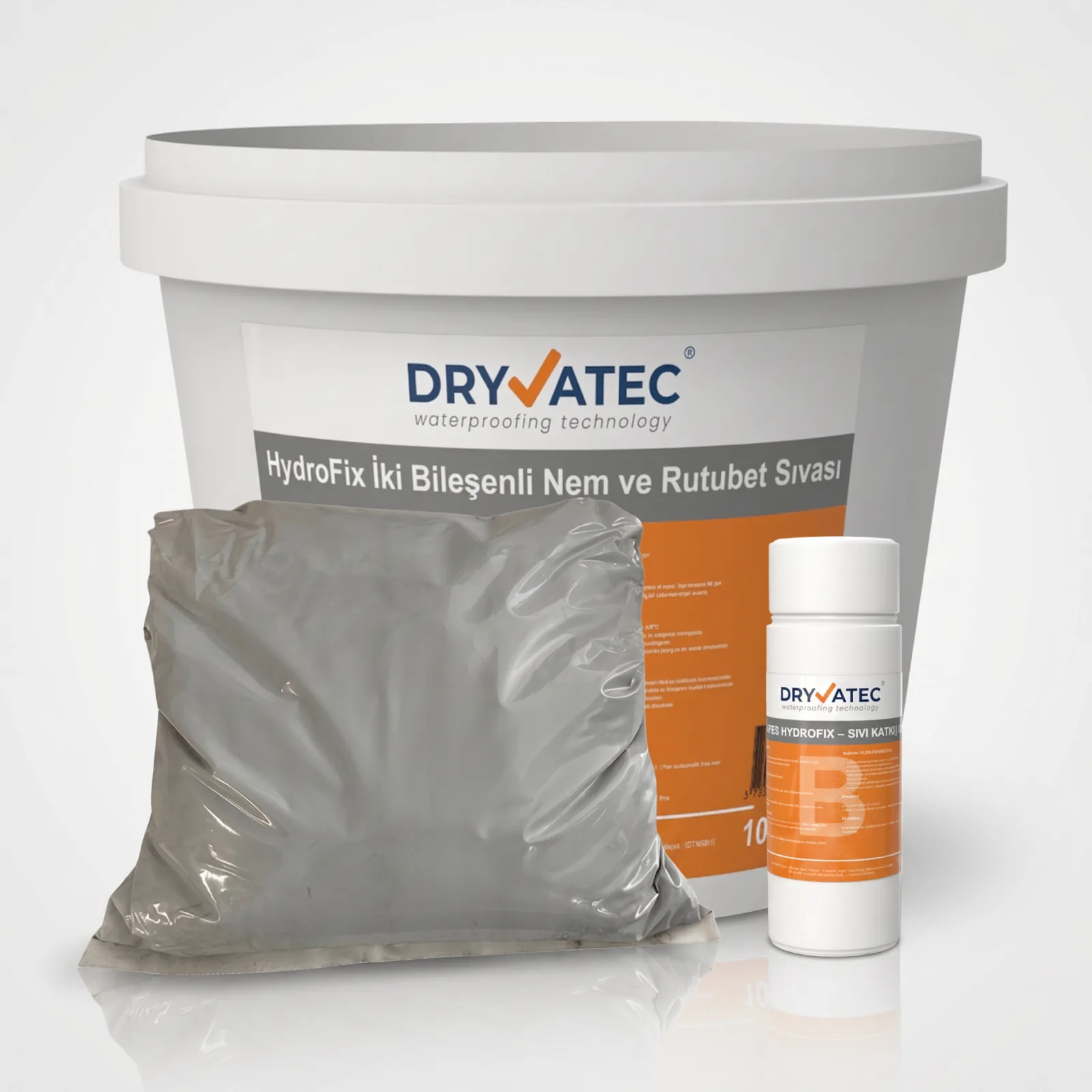
HydroFix 10 kg Damp-Proofing Plaster
Applied before the injection, in place of the stripped plaster; a breathable, salt-resistant repair plaster.
1.500₺ View Product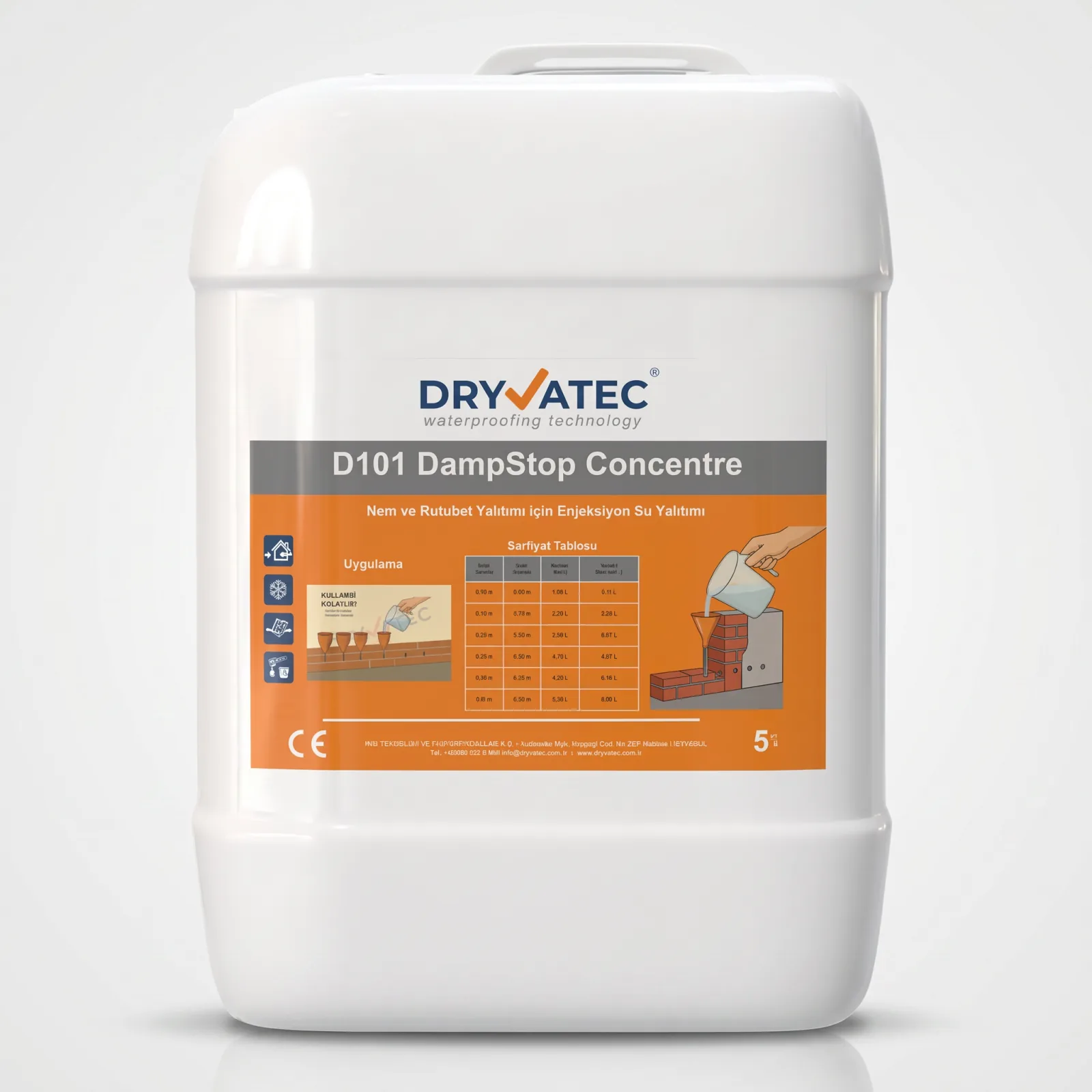
DampStop 5L Injection
Injected into holes drilled along the bottom course of the wall; forms a silane/siloxane barrier that stops the water from rising.
8.000₺ View Product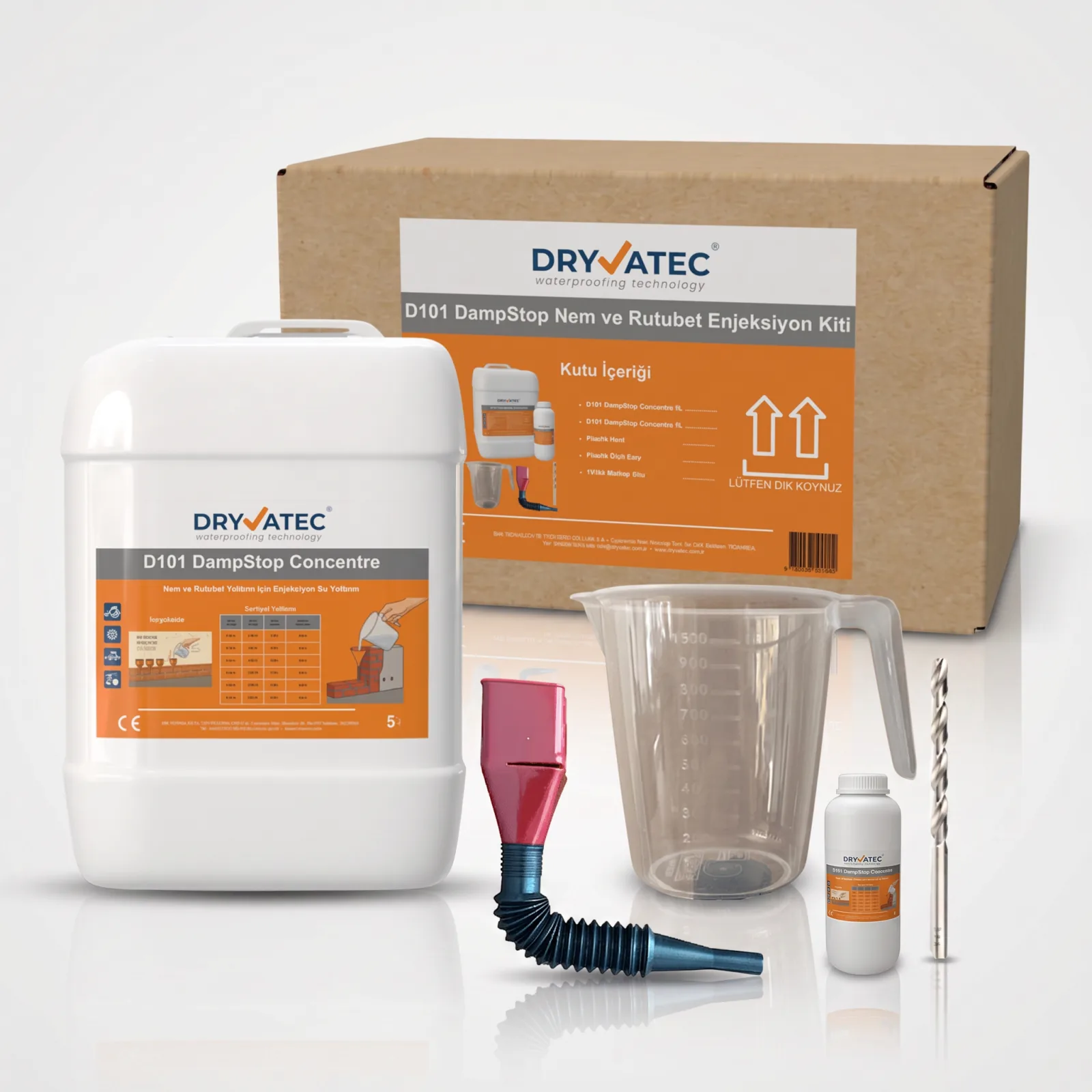
DampStop Complete Kit
DampStop 5 L concentrate + funnel, measuring jug and 14 mm drill bit. Everything you need for the injection in one box.
8.700₺ View ProductSee how the three products work together: The Triple System →
Why Does New Paint Bubble?
If the paint is new and bubbled soon after, the cause is not always damp in the wall. Rule these out first:
- Painting a damp surface: paint applied before the plaster has dried, or onto a damp wall, traps the water inside and bubbles.
- No primer, or a dusty/greasy surface: the paint cannot bond and lifts off as a film.
- Incompatible layers: water-based paint over oil-based paint (or vice versa) without sanding will separate.
- Waterproof (plastic) paint: stops the wall from breathing; moisture from inside collects behind the paint.
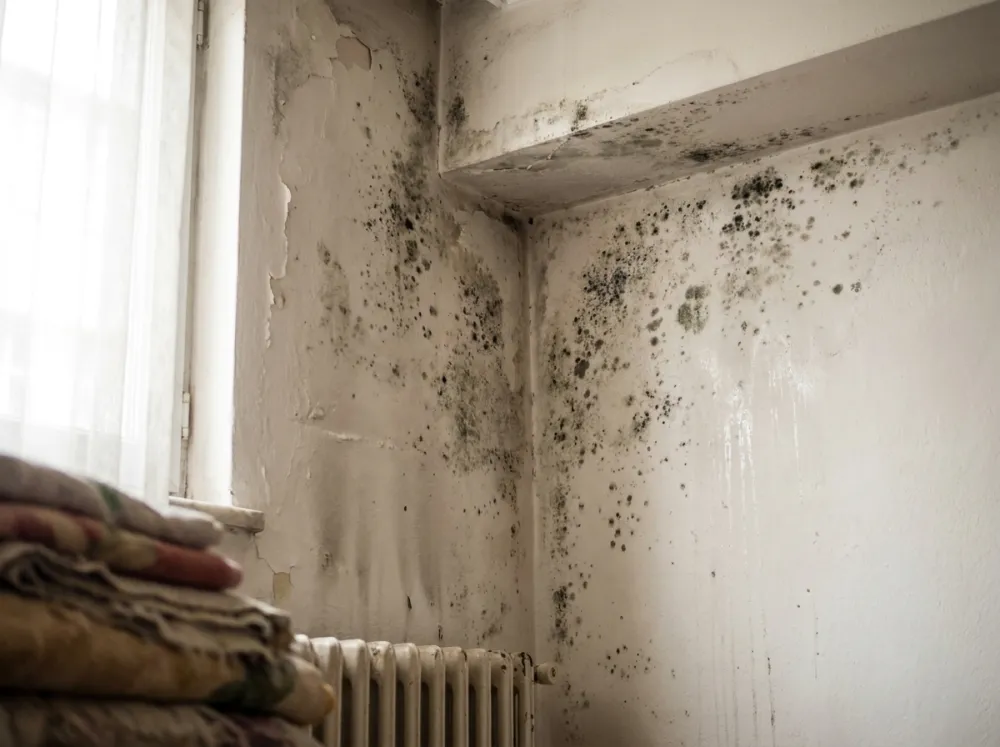
- Damp in the wall: if the bubbling is a band in the lower section above the skirting, or there are salt marks, the problem is the wall, not the paint; the steps above apply.
If paint is bubbling on the ceiling, the cause is usually water from the roof, a terrace or plumbing: upper floor, ceiling and window damp. How to renew the surface once the damp is fixed is explained step by step here.
Frequently Asked Questions
How do I stop paint from peeling?
Make sure the wall is completely dry before painting; if there is damp, fix its source first. Scrape off bubbling and powdery old paint, clean the surface, apply a suitable primer and use a breathable (vapour-open) paint. Do not use waterproof paint on a damp wall; it traps moisture inside and speeds up peeling.
Why does ceiling paint bubble?
The most common cause is water from the roof, a terrace or bathroom above, or plumbing; yellowish ring-shaped marks are the sign. If it appears with black spots in corners and along edges, it may be condensation. Fix the source first, then repaint once the ceiling has dried.
Isn't it enough to scrape off the blistered area and repaint?
No. The cause of the blistering is not the quality of the paint but the moisture and salt coming from inside the wall. Any paint or plaster repair carried out without stopping the source is temporary; the same area usually blisters again within a few months. The source of the damp must be stopped and the surface renewed with a breathable plaster; in the correct order, the plaster is stripped and HydroFix applied first, and DampStop is injected once the plaster has dried.
Can gypsum plaster be applied to a wall where the plaster is crumbling?
On a damp wall, gypsum is the least durable option; it absorbs water, softens and starts shedding again in no time. Walls that have suffered damp problems need special breathable, salt-resistant repair plasters (e.g. HydroFix).
Will water-repellent (waterproof) paint solve it?
On the contrary — it can make things worse. A waterproof layer traps the moisture in the wall; unable to escape at the surface, the water climbs higher and the pressure blows the layer off from behind. On a damp wall the aim is not to trap the moisture but to stop the source and let the wall breathe.
How do I know the damp has been stopped, and when can I renew the surface?
You do not need to wait for the damp to stop before renewing the surface; in the correct order HydroFix goes on before the injection: the old plaster is stripped, HydroFix is applied, DampStop is injected once the plaster has dried (24–48 hours), and the holes are sealed at least 48 hours later. After the injection, the existing moisture inside the wall decreases by evaporating through the breathable HydroFix; the base of the wall dries out and the smell disappears. Painting comes last.
Why does paint blister on copper (metal) surfaces?
On metal surfaces such as copper or galvanised steel, paint usually fails to adhere and blisters because of grease or an oxide layer on the surface, or a primer that is not suitable for metal; this is a surface-preparation problem and is fixed by cleaning the surface and repainting with a metal-compatible primer. On a wall the situation is different: when wall paint blisters again and again in the same place, the cause is usually damp and salt coming from inside the wall.
Learn More: Related Guides
- Can Paint Fix a Damp Problem?
- HydroFix Damp-Proofing Plaster vs Normal Plaster: What Is the Difference?
- How Can I Tell If the Damp on My Wall Is Rising Damp?
Not sure? Send us a photo and we will tell you
Send photos of the problem area; our technical team will assess the cause as soon as possible and recommend a solution tailored to you. Free of charge, with no obligation to buy.