
Short answer: "Damp bugs" are not a single species; it is a common name for several small creatures that love damp conditions in the home: silverfish, booklice, springtails (tiny jumping insects), woodlice and the drain fly found around drains. All of them multiply where there is high humidity and mould. Pest control reduces the bugs you can see, but as long as the moisture remains, new ones keep coming; the lasting solution is to cut off the source of the damp.
A fast, silver-coloured bug in the bathroom, tiny dots moving like dust between your books, grey bugs at the base of the basement wall… When you see these, the real question should not be "which insecticide?" but "where is the moisture in this house coming from?" Damp bugs are one of the earliest signs that there is too much moisture in your walls or in the air.
What are damp bugs? The most common types
| Type | Appearance | Where is it found? | What does it feed on? |
|---|---|---|---|
| Silverfish | 1–1.5 cm, silver-grey, scaly, runs fast with a fish-like wriggle | Bathroom, kitchen, basement, behind skirting boards | Paper, glue, starch, mould |
| Booklice | 1–2 mm, pale, like specks of dust | Books, cardboard, wallpaper, newly painted damp walls | Mould and fungal threads |
| Springtails | 1–2 mm, grey-white, jump when touched | Wet floors, potting soil, bathrooms, base of walls | Mould, decaying organic matter |
| Woodlice | 1–1.5 cm, grey, roll up into a ball when touched | Ground floors, bases of walls on the garden side, basements | Decaying plants and wood |
| Drain fly | 2–4 mm, small hairy fly with heart-shaped wings | Around sinks, showers and floor drains | Organic build-up in drains |
These creatures generally do not bite people and do not carry disease. They can, however, damage books, documents, wallpaper and fabrics; most importantly, they show that there is mould and damp where they are found.
What causes damp bugs?
What damp bugs all need is high humidity and the mould that forms with it. They cannot survive in a dry home. Moisture in the home has three sources:
- Condensation: Moist air that is not ventilated enough in the bathroom and kitchen turns into water on cold surfaces. Silverfish and booklice are found most often in these conditions. More details: What is condensation damp?
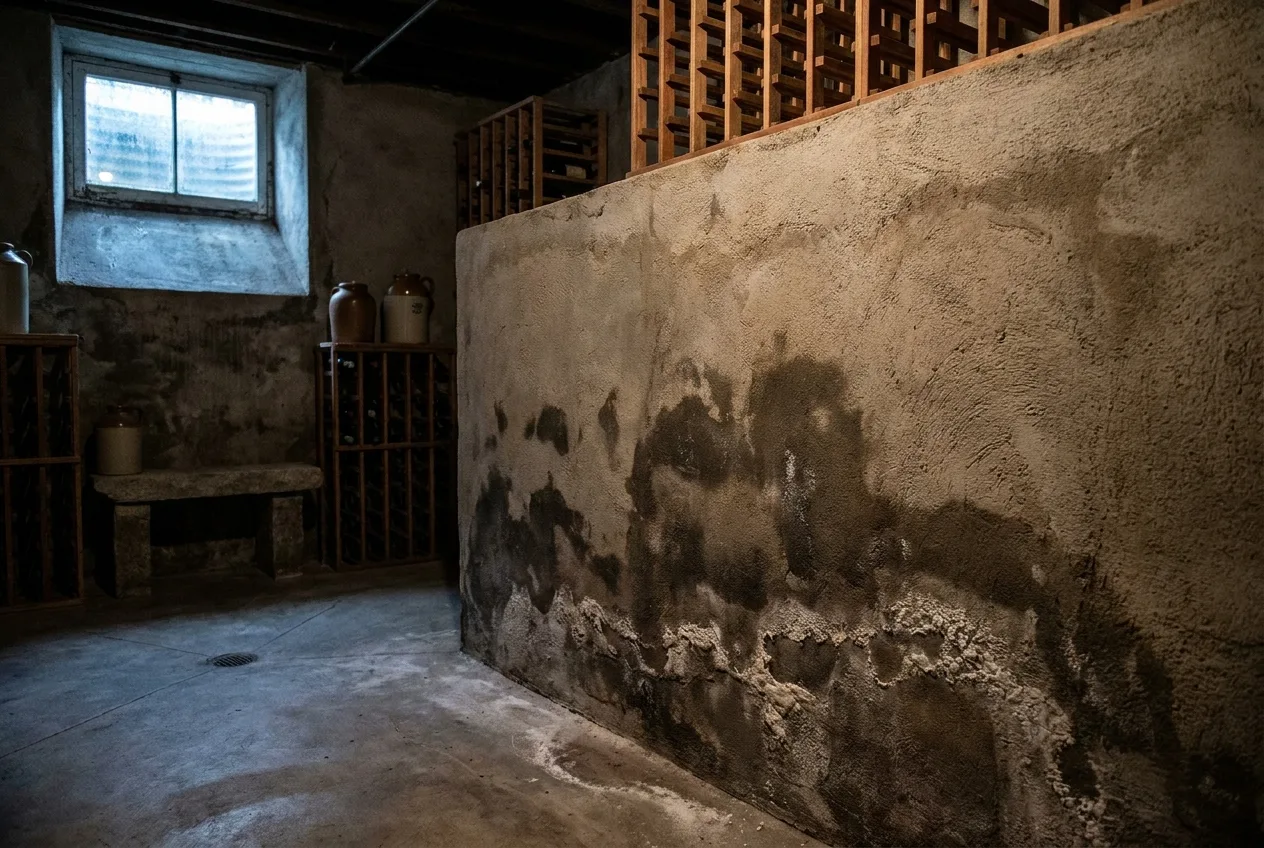
- Rising damp: On ground floors and in basements, water in the ground is drawn up from the base of the wall; the area behind the skirting board and the base of the wall stay permanently damp. Springtails and woodlice gather at the base of these walls. More details: Rising damp guide.
- Leaks: A plumbing leak or build-up in a drain provides both moisture and food; drain flies breed there.
What do tiny damp bugs tell you?
Tiny bugs moving like dust on the wall, along the window frame or on books are usually booklice or springtails. Booklice feed directly on mould; so wherever they are seen, mould has already started, even if it cannot yet be seen with the naked eye. That is why they are common on walls that have been freshly painted without solving the damp underneath: the paint traps the moisture inside before it dries, and a thin layer of mould forms on the surface.
How to get rid of damp bugs: step by step
- Measure the indoor humidity. Monitor the humidity with a hygrometer. If it stays above 60% throughout the winter, there is too much moisture in the air; the target is the 40–60% range. More details: What should indoor humidity be?
- Ventilate and dry out. Use extractor fans in the bathroom and kitchen, open windows on opposite sides several times a day; do not leave wet towels and laundry in enclosed spaces.
- Clean the drains. With drain flies, before using any insecticide, clean the organic build-up in the sink and drain pipes with a brush and hot water; the flies breed in this build-up.
- Reduce hiding places. Seal cracks in skirting boards and tile joints, store less cardboard and paper in the basement, and keep books away from exterior walls.
- Clean off the mould. Clean visible mould safely: how to clean mould on walls.
- Cut off the source of moisture in the wall. If the bugs gather at the base of walls and on the ground floor, the problem is most likely rising damp. Unless a damp-proof course is injected into the base of the wall and a breathable damp-proofing plaster is applied to the damaged surface, the wall will not dry and the bugs will come back.
- Call in pest control if needed. In a heavy infestation, a licensed pest control company will quickly reduce the existing population. But as long as the moisture remains, the effect is temporary; use pest control alongside the moisture solution, not instead of it.
Why is pest control alone not enough?
Insecticide kills the bugs present at that moment; it does not remove the moisture or the mould. The damp wall remains both a water and a food source for the bugs, and new ones settle in within a few weeks. That is why behind the complaint "we had the place treated but they came back" there is almost always an unresolved source of moisture. We explain how to tell the source of damp apart in our article What is damp and what causes it?

Products for damp at the base of the wall
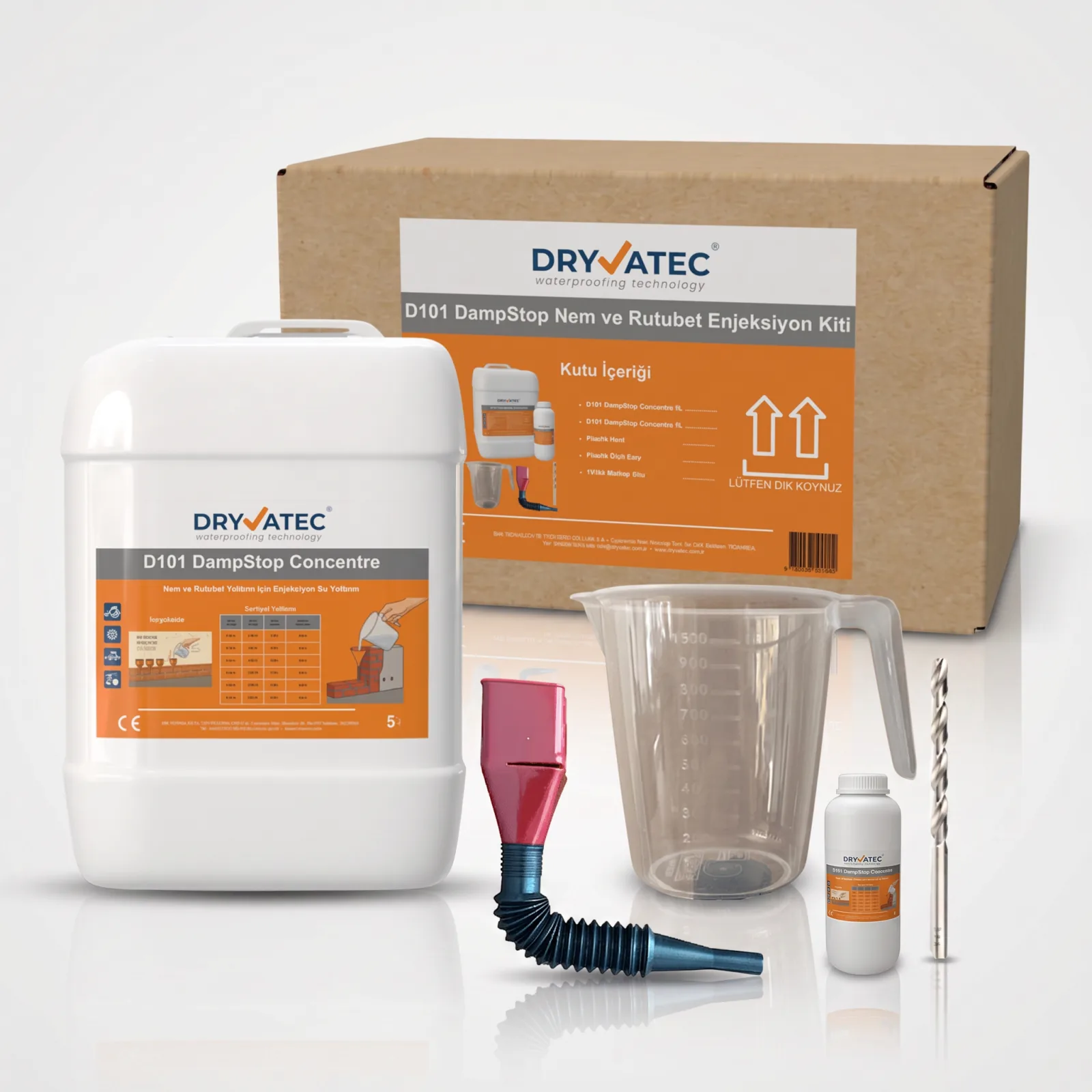
DampStop Complete Kit
For damp rising from the base of the wall: 5 L injection concentrate and application equipment (funnel, measuring cup, 14 mm drill bit) in one box.
8.700₺ incl. VAT View Product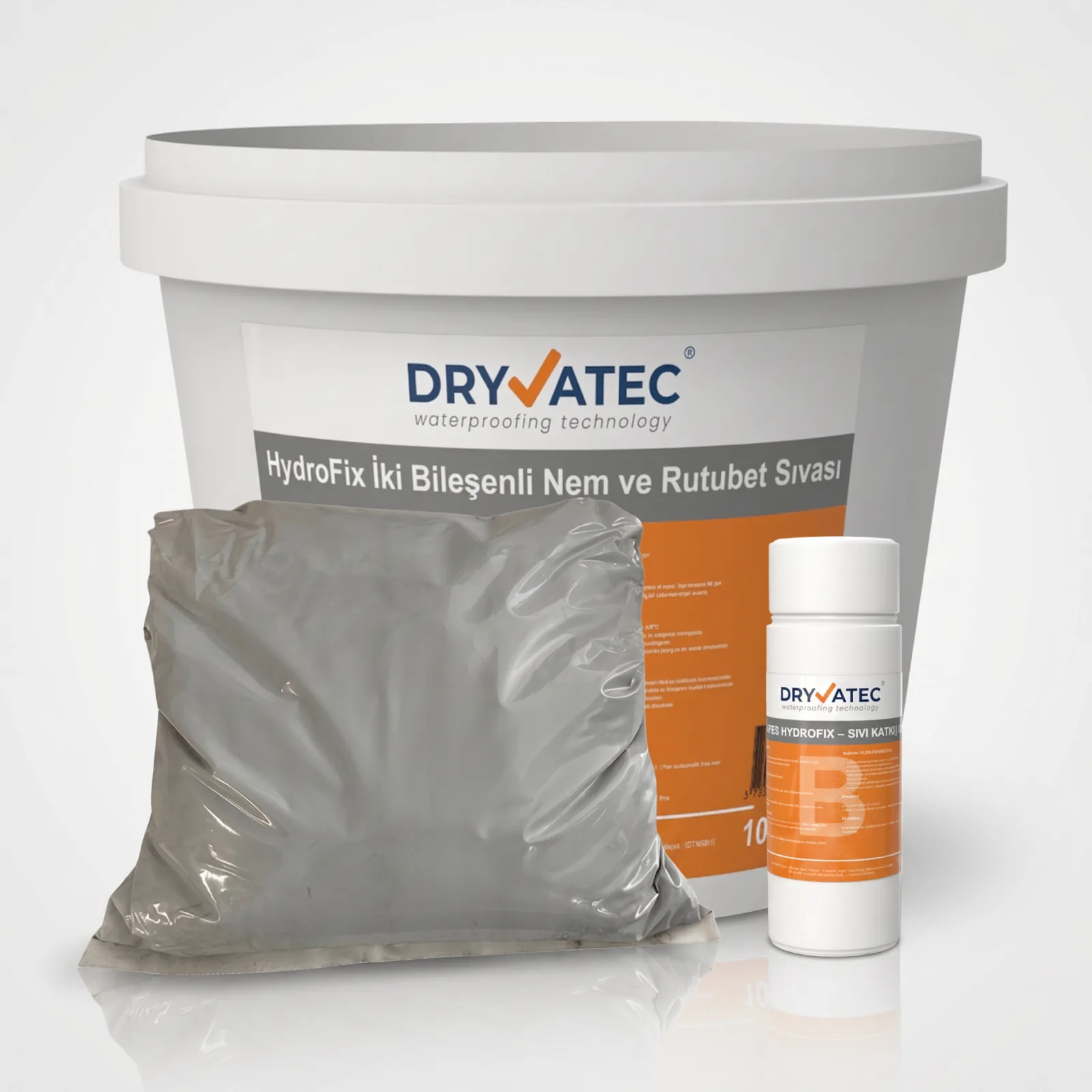
HydroFix 10kg Damp-Proofing Plaster
A breathable interior damp-proofing plaster that stops capillary water transfer, to replace blistered plaster affected by salt efflorescence.
1.500₺ incl. VAT View ProductPay by card (Ziraat 3D Secure) or bank transfer/EFT — for bank transfer call 0850 532 6 999 · No cash on delivery or instalments · Free shipping within Türkiye · 14-day right of return · Work out the quantity with the consumption calculator.
Frequently Asked Questions
Are damp bugs harmful?
Damp bugs such as silverfish, booklice and springtails generally do not bite people and do not carry disease. They can, however, damage books, paper and fabric. What really matters is that they show there is moisture and mould where they are found; mould is a health risk.
What causes damp bugs?
Damp bugs multiply where there is high humidity and mould. The most common causes are condensation in bathrooms and kitchens, damp rising from the base of walls on ground floors and in basements, plumbing leaks and build-up in drains.
Why do tiny damp bugs appear?
Tiny bugs that look like specks of dust are usually booklice or springtails. Booklice feed on mould; where they are seen, mould has started. They are especially common on walls that have been painted without solving the damp underneath.
How do you get rid of damp bugs?
Bring the indoor humidity down to the 40–60% range, ventilate the bathroom and kitchen, clean the drains, seal cracks and clean off the mould. If the bugs gather at the base of the walls, cut off the source of moisture in the wall. In a heavy infestation pest control helps, but if the moisture remains its effect is temporary.
How do you get rid of drain flies?
Drain flies breed in the organic build-up in sinks, showers and floor drains. Regularly cleaning the drains with a brush and hot water and repairing plumbing leaks reduces the flies more lastingly than insecticide.
Related Guides
- What is damp and what causes it? What to do if your home is damp
- How to remove mould stains from walls
- How to get rid of a damp smell at home
- Moisture and water ingress in basements
- What should indoor humidity be?
Let's find the source of the moisture attracting the bugs
Send us a photo of your wall; our technical team will assess it online and tell you the source of the damp and the right solution free of charge.