
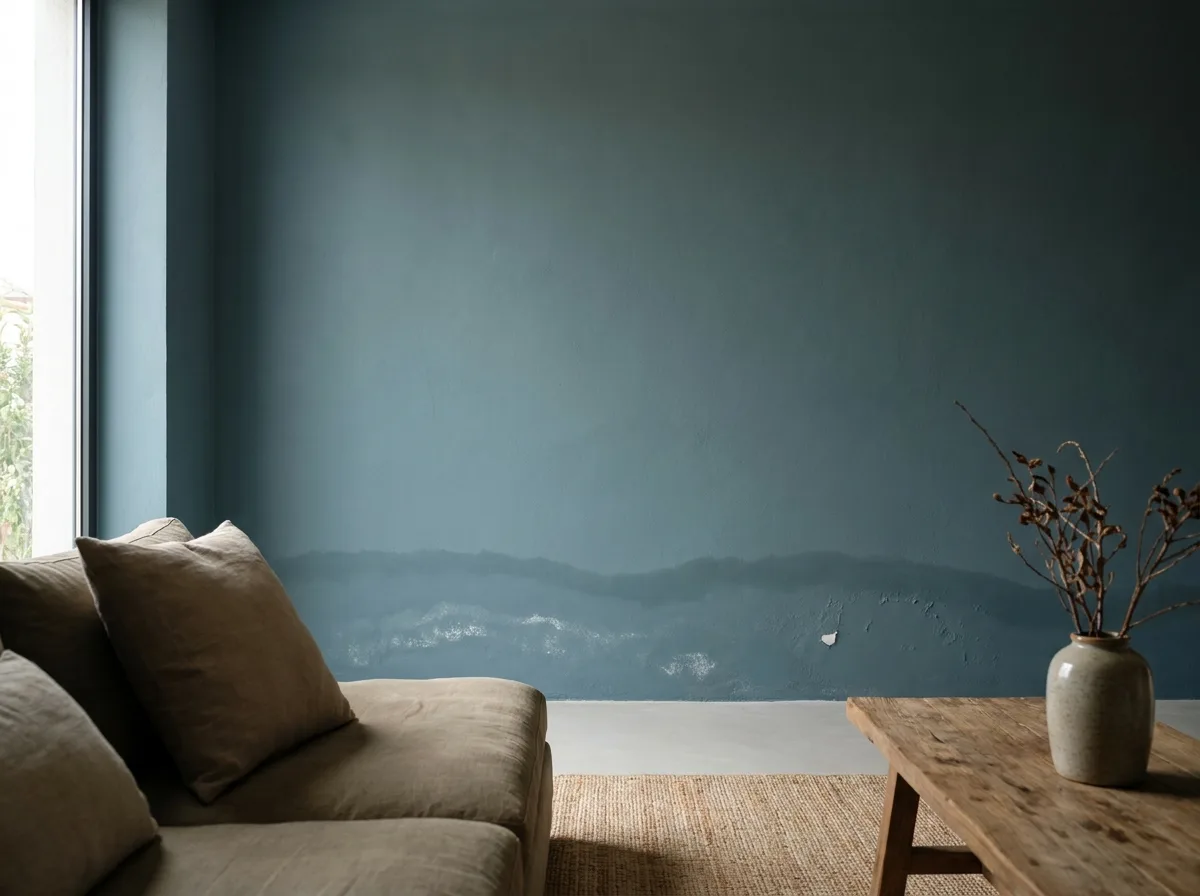
Short answer: Damp is excess moisture in the air or inside building materials. In the home it has three causes: condensation (moisture in the air turning into water on a cold wall), rising damp (water in the ground being drawn up from the base of the wall) and leaks (water entering from plumbing, the roof or the exterior facade). If your home is damp, first find out which one it is; the solution changes completely depending on the source. Paint, sprays and moisture-absorbing tablets only cover up the symptom.
"My house is damp" is said about very different problems: windows steaming up in winter, black mould in a ceiling corner, blistering paint at the bottom of a wall, a heavy smell in the wardrobe… What they all have in common is excess moisture, but where that moisture comes from differs. In this article we explain what damp is, why it forms in the home, and what you should do step by step if your home is damp.
What is damp and what does the word mean?
In Turkish, the everyday word for damp, rutubet, is of Arabic origin and is used with the same meaning as moisture (nem). In buildings it has two meanings:
- Damp in the air: The amount of water vapour in the room air, measured as relative humidity (%). In homes the healthy range is generally taken to be 40–60%. More details: What should indoor humidity be?
- Damp in the wall: Water that accumulates in the pores of brick, stone, concrete and plaster. The wall feels cold and moist to the touch, paint blisters, plaster crumbles and white salt marks appear on the surface.
This distinction matters: damp in the air drops with ventilation and heating; damp inside the wall does not go away until its source is cut off.
What causes damp? 3 main sources
| Source | How does it form? | Where does it appear? | Typical symptom |
|---|---|---|---|
| Condensation | Warm, moist indoor air turns into water droplets when it hits a cold surface | Ceiling corners, exterior walls, around windows, behind wardrobes | Black mould spots, window condensation, a smell that gets worse in winter |
| Rising damp | Water in the ground is drawn up through the pores of the wall by capillary action | Basements, ground floors, garden-level flats; walls in contact with the ground | Staining from the base of the wall up to 50–150 cm, blistering paint, white salt |
| Leaks | Plumbing leaks, rainwater entering through the roof or exterior facade | Around wet rooms, top-floor flats, facades exposed to rain | A stain with clear edges that grows after rain |
If you are curious how capillary rise works, see our article on capillary action (capillarity). For the difference between condensation and rising damp: What is condensation damp?
Why does damp appear in homes with gas central heating?
The combi boiler itself does not produce damp; combustion gases and water vapour are expelled through the flue. The real reasons damp increases in gas-heated homes are:
- Keeping the windows shut: Ventilation drops while the heating is on. Water vapour released into the air by cooking, showering, drying laundry and breathing cannot get out.
- Unheated rooms: A room with the door closed and the radiator off stays cold; moist air from the other rooms condenses on its walls.
- Cold corners (thermal bridges): Uninsulated columns, beams and outer corners are colder than the surfaces inside; mould starts there first.
- Drying laundry indoors: A single machine load of laundry releases several litres of water into the air as it dries.
This picture describes condensation. If the stain starts at the base of the wall and persists summer and winter, the cause is not the gas heating but most probably rising damp.
How can you identify the source of damp at home?
A simple foil test points the way in most cases: stick a piece of aluminium foil of about 30×30 cm onto the stained wall, seal its edges with tape and wait 24–48 hours.
- If the room side of the foil is wet: The moisture is coming from the air, i.e. condensation. Ventilation, heating and lowering the indoor humidity come first.
- If the wall side of the foil is wet: The moisture is coming from inside the wall: rising damp or a leak.
The location of the stain is also a clue: a stain that starts at the base of the wall, rises in a straight line and leaves white salt points to rising damp; scattered black dots in a ceiling corner point to condensation; a stain that grows after rain points to a leak. Detailed methods: Detecting damp in buildings.
What to do if your home is damp: step by step
- Identify the source. Use the foil test and the location of the stain to tell whether it is condensation, rising damp or a leak. If you are not sure, send us your photos using the Request a Quote form; our technical team will assess them online and get back to you within 24 hours.
- Measure the indoor humidity. Buy an affordable hygrometer (humidity meter). If the reading stays above 60% throughout the winter, there is too much moisture in the air.
- Improve ventilation. Create a through-draught by opening windows on opposite sides 2–3 times a day for 5–10 minutes. Run the extractor fan after showering and cooking; dry laundry outdoors if possible.
- Balance the heating. Do not leave any room completely cold; do not place wardrobes directly against an exterior wall, and leave a few centimetres of space behind them.
- If there is a leak, repair it first. The wall will not dry until a plumbing leak or a roof/facade problem has been fixed.
- With rising damp, cut it off at the base of the wall. The permanent solution is a horizontal damp-proof course injected into the base of the wall, plus a breathable damp-proofing plaster on the damaged surface. If there is also damp throughout the building, in the foundation and columns, the Damp Box (Nem Kutusu) is added as part of the triple system: it carries water reaching the foundation and rising in the columns back into the ground and does not replace the injection in the wall.
- Clean and paint last. Once the source has been cut off, clean off the mould (how to clean mould on walls) and paint in the right order. Painting first only hides the damp for a few weeks.
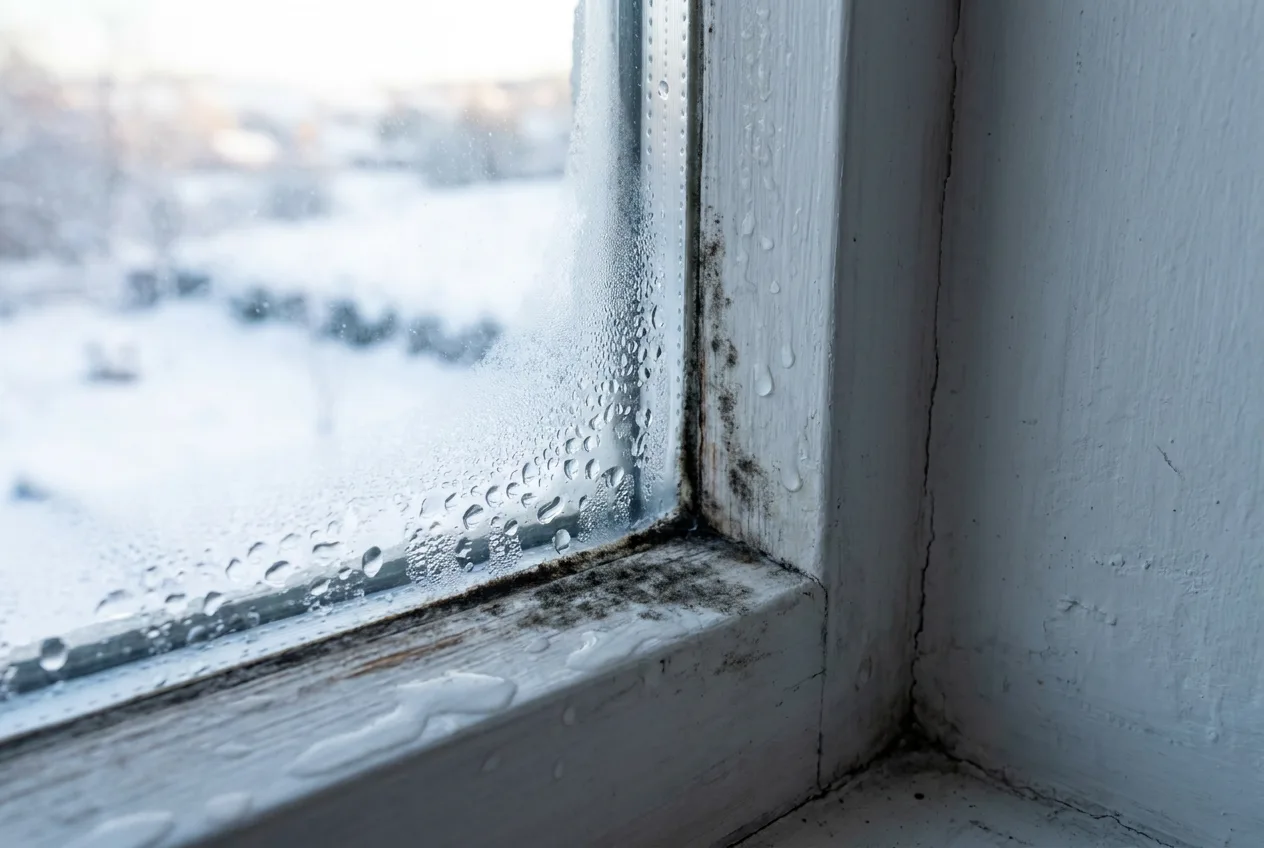
How do you get rid of damp? The lasting solution depends on the source
- With condensation: Damp goes away with ventilation, balanced heating and, if needed, a dehumidifier. In corners with thermal bridges, external wall insulation or internal insulation provides a lasting improvement.
- With leaks: Once the leak or the roof/facade has been repaired, the wall dries within a few weeks; then the surface is renewed.
- With rising damp: It does not go away on its own; it comes back with every rainfall and whenever the groundwater rises. The path of moisture must be cut off at the base of the wall. After the barrier has been installed, the wall takes a few months to dry out completely, depending on its thickness.
Thinking that damp goes away with an "anti-damp paint" or a "damp remover spray" is a common mistake; these products cover the surface and do not touch the source. In our article which damp remover actually works? we compare in a table which product solves what.
Products for damp coming from the wall
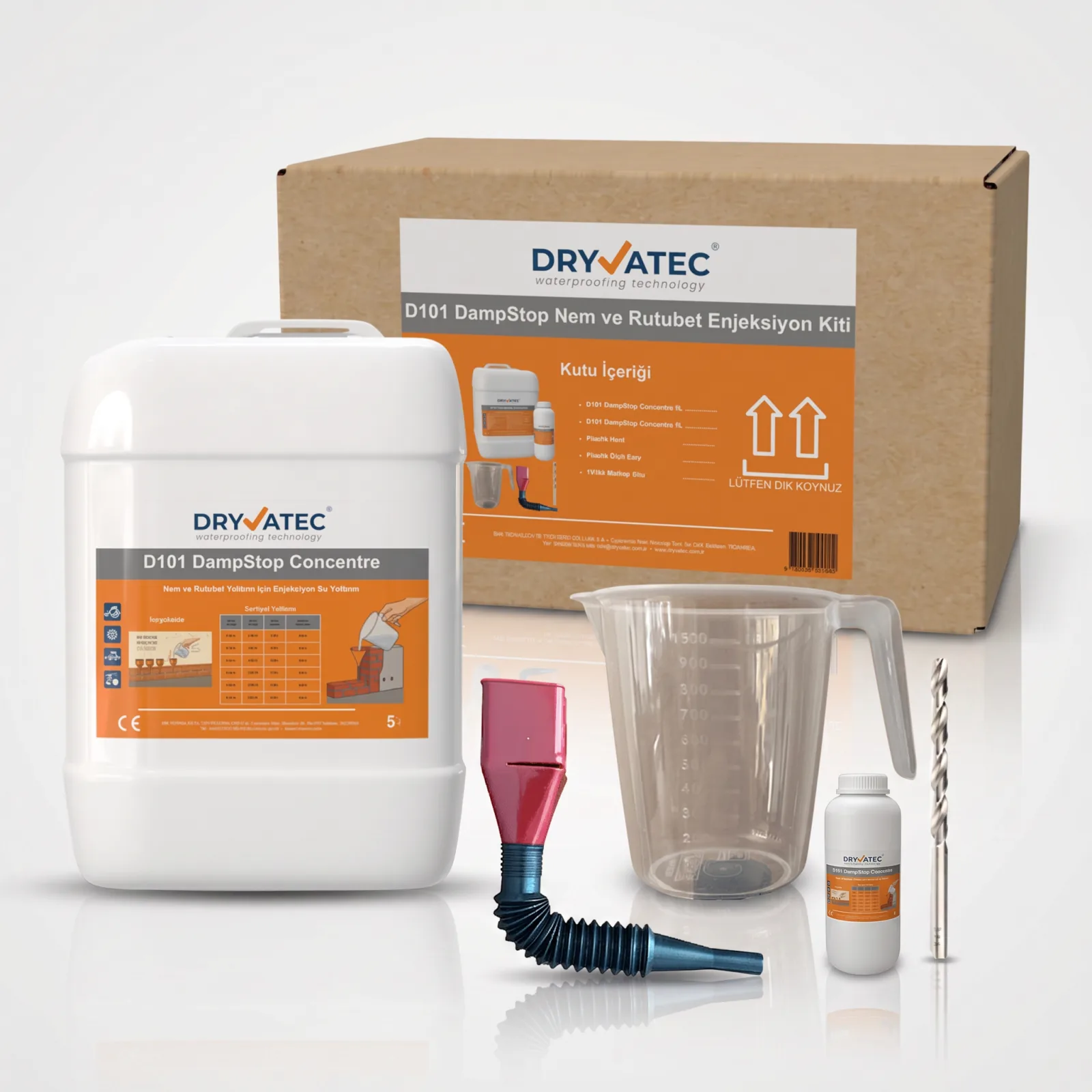
DampStop Complete Kit
For damp rising from the base of the wall: 5 L injection concentrate and application equipment (funnel, measuring cup, 14 mm drill bit) in one box.
8.700₺ incl. VAT View Product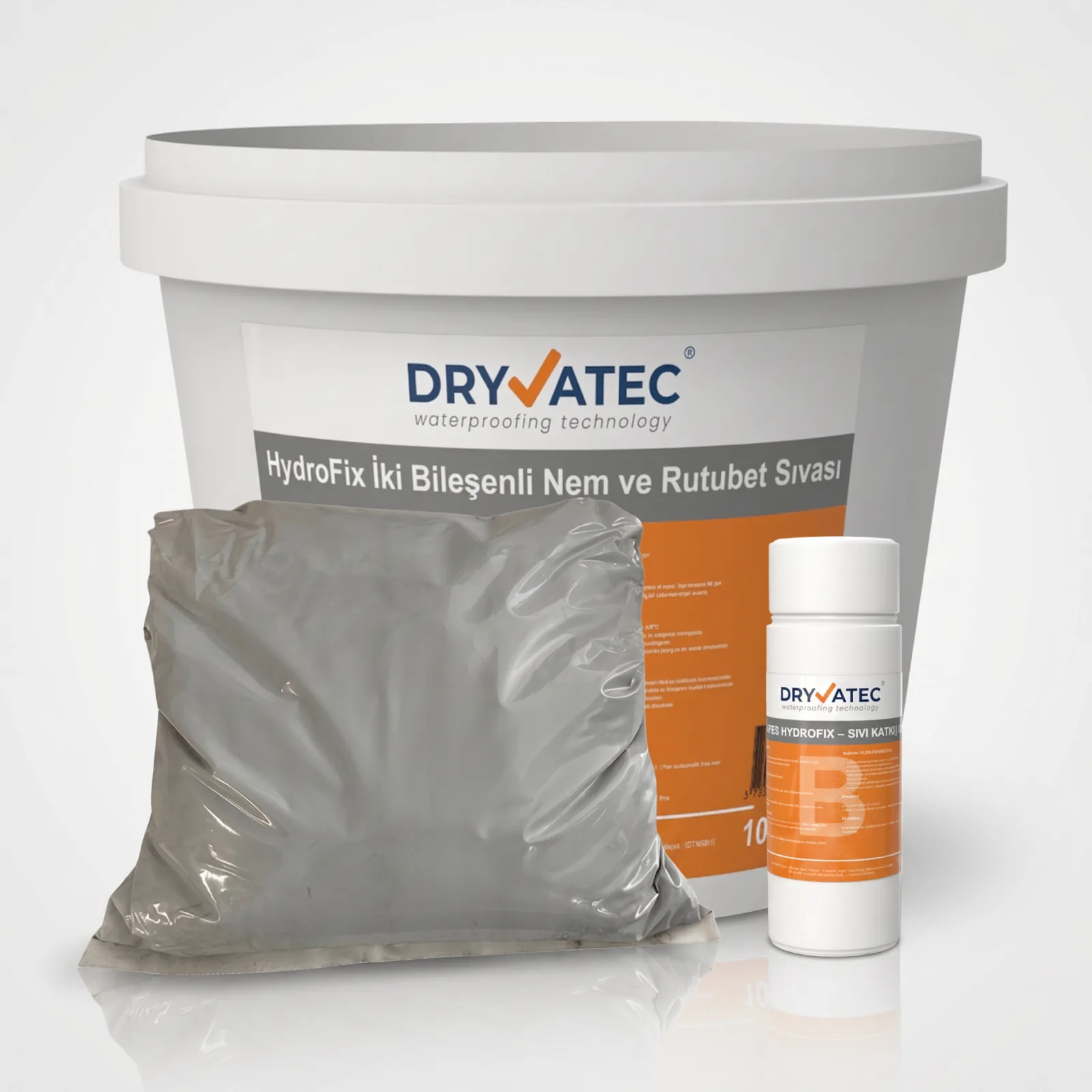
HydroFix 10kg Damp-Proofing Plaster
A breathable interior damp-proofing plaster that stops capillary water transfer, to replace blistered plaster affected by salt efflorescence.
1.500₺ incl. VAT View Product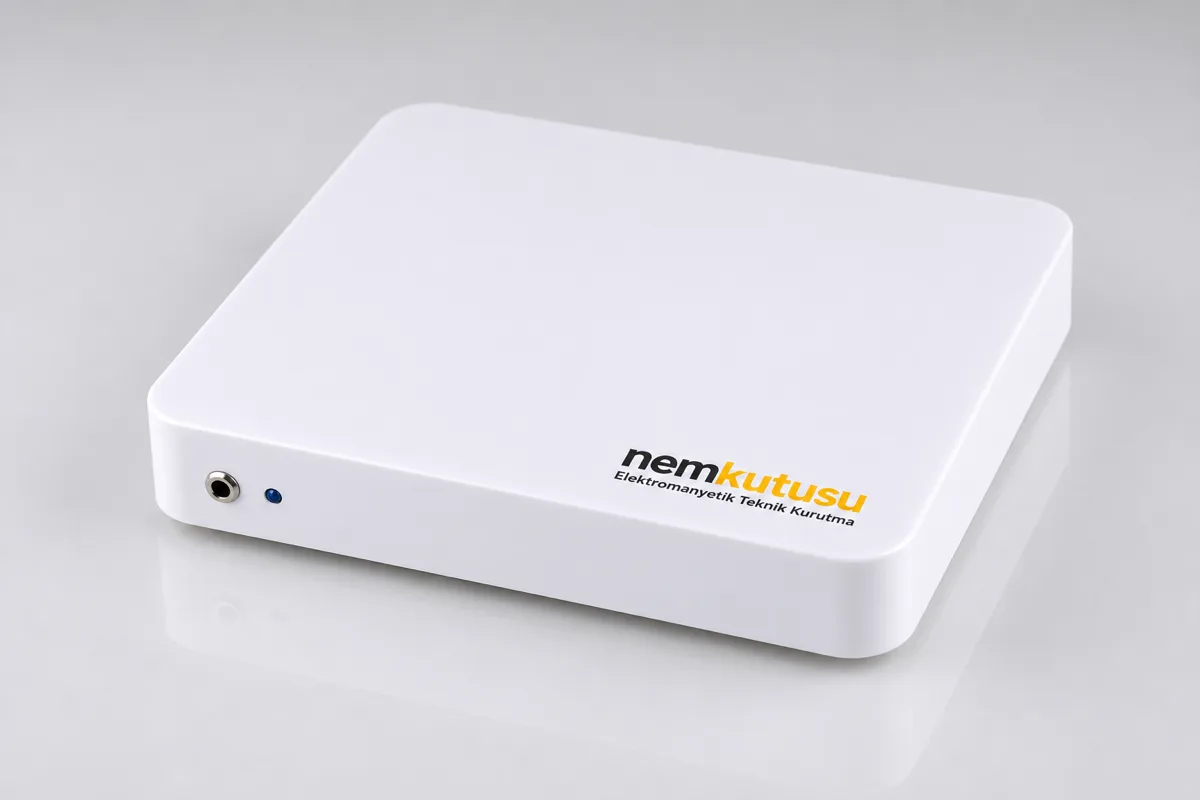
Dryvatec Damp Box
Carries water reaching the foundation and rising in the columns back into the ground; on the walls it works with DampStop + HydroFix as the triple system. Plugs into a socket, 3-5 W.
50.000₺ incl. VAT View ProductPay by card (Ziraat 3D Secure) or bank transfer/EFT — for bank transfer call 0850 532 6 999 · No cash on delivery or instalments · Free shipping within Türkiye · 14-day right of return · Work out the quantity with the consumption calculator.
Is damp harmful to health?
It is not damp itself but the mould and dust mites that thrive in damp conditions that cause problems. Mould spores can aggravate allergies, asthma and respiratory complaints; children, the elderly and people with chronic illnesses are especially sensitive. More details: How does living in a damp environment affect health?
Frequently Asked Questions
What does damp mean?
Damp means moisture. In homes it shows up in two ways: excess water vapour in the room air and water that accumulates in the pores of the wall. The first drops with ventilation; the second does not go away until its source is cut off.
What causes damp at home?
There are three main causes: condensation (moist indoor air turning into water on a cold wall), rising damp (water in the ground being drawn up from the base of the wall) and leaks (water entering from plumbing, the roof or the exterior facade). More than one can occur in the same home.
Why does damp appear in homes with gas central heating?
The combi boiler does not produce damp; however, keeping windows shut while the heating is on, unheated rooms and cold corners increase condensation. If the stain starts at the base of the wall and persists all year, the cause is most probably not the gas heating but rising damp.
What should you do if your home is damp?
First identify the source (foil test and location of the stain), measure the indoor humidity, and improve ventilation and heating. If there is a leak, repair it; with damp rising from the base of the wall, apply an injected damp-proof course at the base of the wall and a breathable damp-proofing plaster. Painting comes last.
Does damp go away on its own?
Damp caused by condensation decreases once ventilation and heating are improved. Rising damp, however, does not go away on its own; it comes back with every rainfall. For a permanent solution, the path of moisture through the wall must be cut off.
Is there a definitive solution for damp?
Yes, depending on the source. For condensation, ventilation and insulation; for leaks, repair; and for rising damp, an injection barrier combined with a breathable damp-proofing plaster is the permanent solution. Paint and spray treatments applied without identifying the source are not a definitive solution.
Related Guides
- How to stop window condensation
- A definitive solution for a damp ceiling
- Rising damp: causes, signs and solution
- What is condensation damp? How it differs from rising damp
- A definitive solution for wall damp: 3 methods by source
- How to get rid of a damp smell at home
- What should indoor humidity be?
Not sure where the damp in your home is coming from?
Send us a photo of your wall; our technical team will assess it online and tell you the source and the right solution free of charge.