
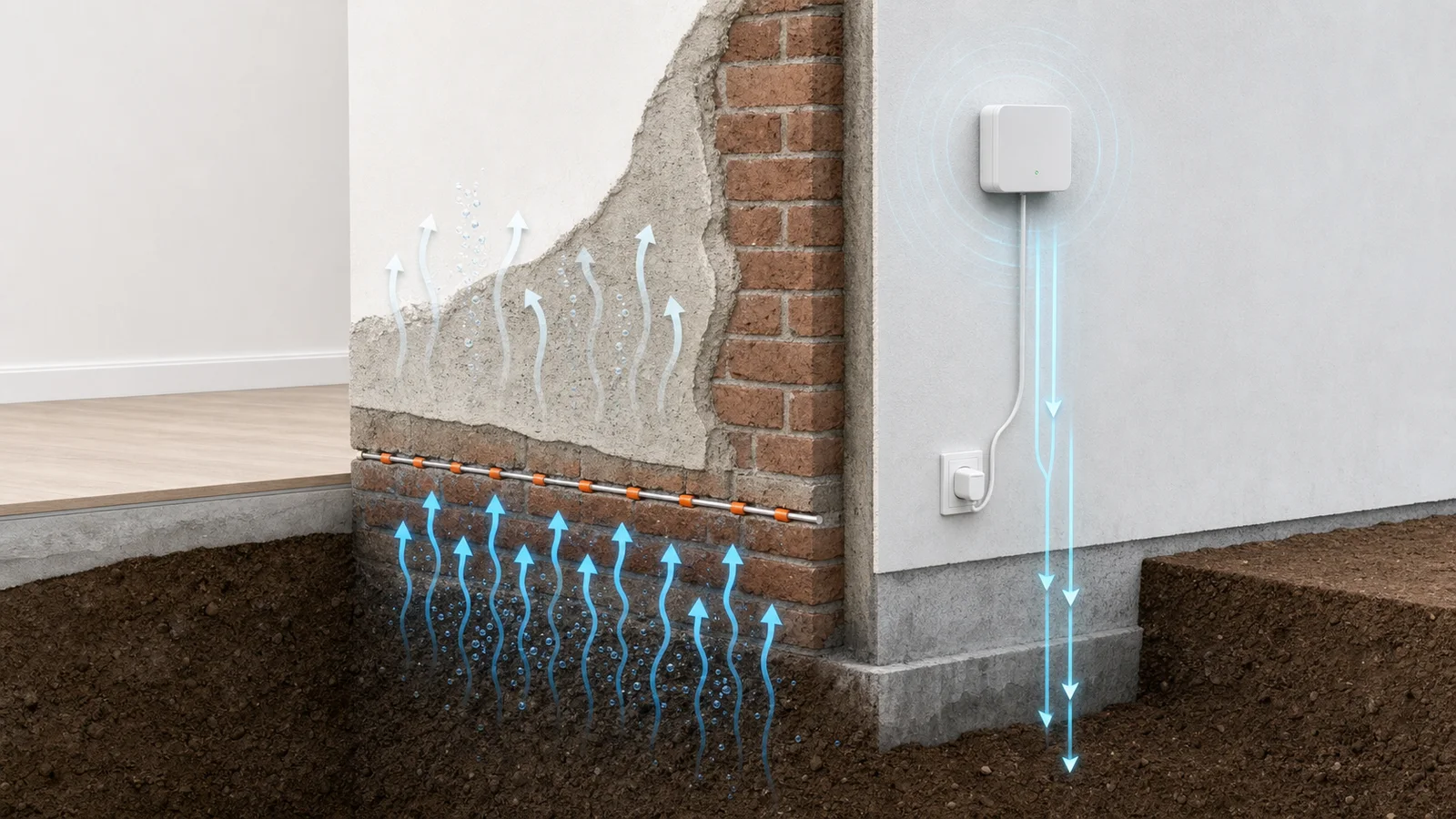
Short answer: Most of the sprays, tablets, moisture-absorbing boxes and anti-damp paints sold as "damp removers" ease the symptom; they do not touch the damp inside the wall. To really get rid of damp, you first need to find its source. If the damp starts at the base of the wall, the permanent fix is an injected moisture barrier at the base of the wall and a breathable damp-proofing plaster on the surface; if there is also damp throughout the building, in the foundation and columns, the Damp Box (Nem Kutusu) is added to these (triple system).
Every winter the same question comes up: "What gets rid of damp on the wall?" Supermarkets, DIY stores and online shops offer dozens of "damp remover" products. Some of them genuinely work; others only hide the stain for a few weeks. In this article we explain clearly what each type of product does and what it cannot do, so you spend your money on the right one.
First, find out where the damp is coming from
Before choosing a damp remover, you need to understand which type of damp you are dealing with. In homes there are three main sources:
- Rising damp (damp coming up from the ground): The stain starts at the base of the wall and usually climbs to a height of 50–150 cm; paint blisters, plaster crumbles and white salt marks appear. It only occurs in walls in contact with the ground (basements, ground floors, garden-level floors). More detail: Rising damp guide.
- Condensation: Black mould and window condensation on cold surfaces, in ceiling corners and around windows in winter. The source is moisture in the air. More detail: What is condensation damp?
- Leaks: A plumbing leak, or rainwater entering through the roof or the exterior wall. The stain grows after rain or gathers where the pipes run. More detail: What to do about a wall letting in water from outside.
Several sources can occur together in the same home. If you are not sure, send a photo of the wall via the Request a Quote form; our technical team will tell you the source and the product you need.
Types of damp remover: what they do and what they do not fix
| Product | What does it do? | What does it not fix? | When does it make sense? |
|---|---|---|---|
| Mould / damp-removing spray | Cleans mould and stains off the surface | Does not touch the source of the moisture; the stain returns | As a first step in mould cleaning |
| Moisture-absorbing tablet / box | Draws some of the moisture out of the air in small enclosed spaces such as wardrobes and pantries | Does not remove the damp inside the wall | Preventing odour and mould inside wardrobes |
| Anti-damp paint | Forms a thin film on the surface | If the source persists, moisture and salts build up behind it and the paint blisters | As a final coat once the source has been fixed |
| Dehumidifier | Draws moisture out of the room air | Does not touch moisture rising inside the wall; the moisture returns when it is switched off | For condensation problems and during drying |
| Damp-proofing plaster (HydroFix) | Stops capillary water transfer at the wall surface, breathes and resists salts | Does not stop moisture rising inside the wall (it protects the surface) | When renewing blistered, crumbling plaster |
| Injection (DampStop) | Forms a horizontal water-repellent barrier at the base of the wall, cutting off the path of rising damp | Does not fix rain leaks or condensation | For damp rising from the base of the wall |
| Damp Box (electromagnetic device) | Carries water reaching the foundation and rising in the columns back into the ground; no demolition and no chemicals | Does not replace the injection for rising damp in wall elements; does not fix leaks or condensation | When there is also damp in the foundation and columns, together with DampStop + HydroFix (triple system) |
Damp-removing devices: dehumidifier or Damp Box?
Searches for a "damp-removing device" mix up two different products. A dehumidifier is a portable air dryer: it draws moisture from the room air and collects the water in a tank. It works for condensation problems such as window condensation and corner mould; however, it has no effect on moisture rising inside the wall, and it has to run continuously and its tank has to be emptied.
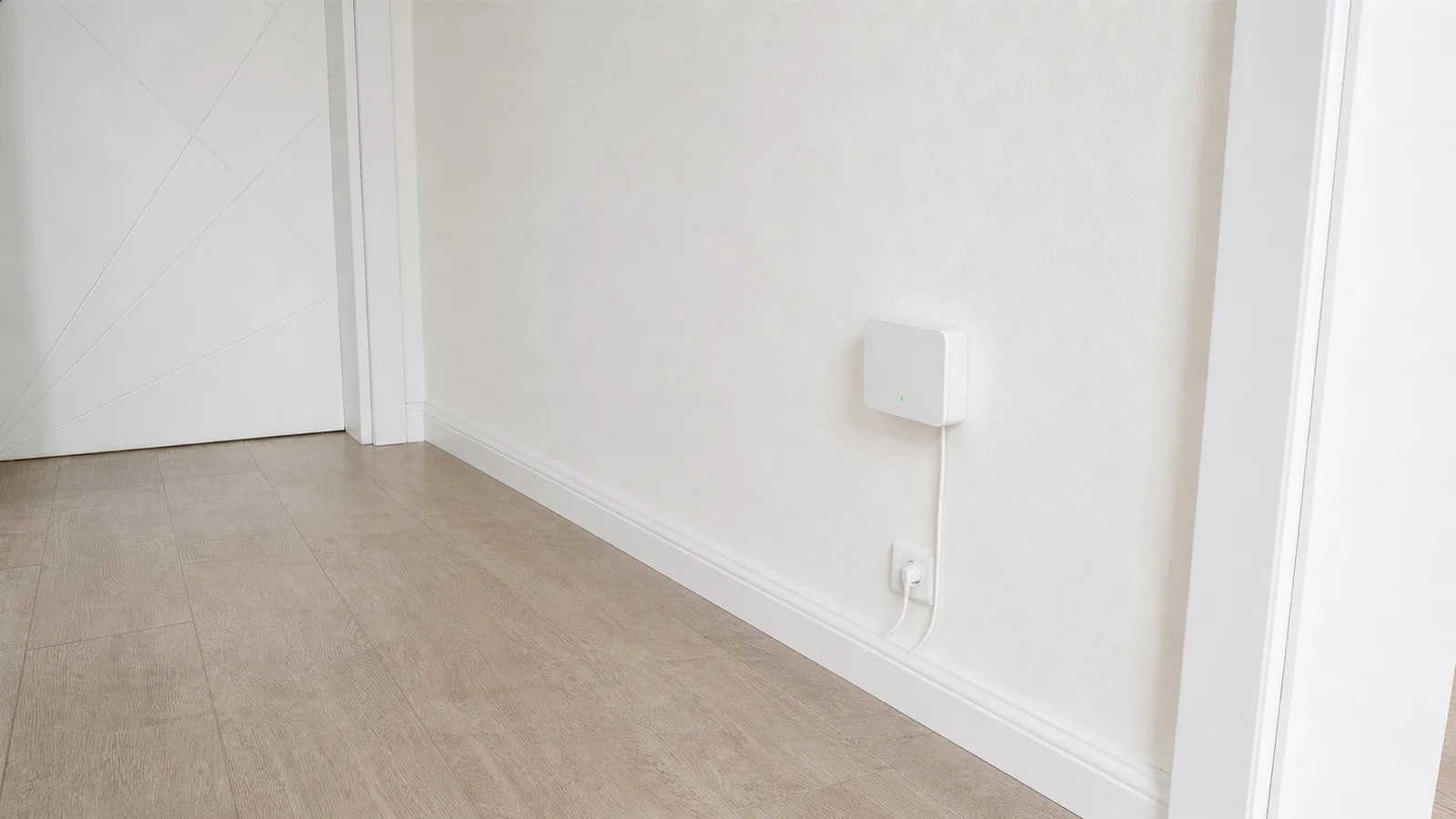
The Dryvatec Damp Box, on the other hand, is a fixed system that targets the building, not the air. Using a very low-frequency electromagnetic wave, it carries water reaching the foundation and rising in the columns back into the ground; in wall elements (brick, aerated concrete, concrete block) DampStop and HydroFix do the work, and together the three make up the triple system. The device consumes 3-5 watts, is fixed to a load-bearing wall with two wall plugs and plugged into a socket. Its effect can be measured from the first weeks; complete drying of the wall takes 6-12 months depending on wall thickness. We explain how it works in our article What is the Damp Box?
In short: if the problem is in the air (condensation), use a dehumidifier; if the problem is at the base of the wall (rising damp), use HydroFix + DampStop injection; if there is also damp in the foundation and columns, add the Damp Box.
Which one should I choose? A short list for your situation
- Stains at the base of the wall, blistering paint, white salts: DampStop Complete Kit (8.700 TL). The injection concentrate and application equipment come together (HydroFix is sold separately); anyone who can use a drill can apply it.
- A single wall or a small section: DampStop 1 L (2.200 TL, makes 10 litres of solution) and, for the surface, HydroFix 10 kg (1.500 TL).
- The source has been dealt with (e.g. a leak repaired) and only the damaged surface needs renewing: HydroFix 10 kg. It covers approximately 4.5–5 m² in a single coat and 2–2.5 m² in two coats.
- If there is damp throughout the building, at the base of columns and in reinforced-concrete sections: DampStop + HydroFix on the walls and the Damp Box (50.000 TL) for the foundation and columns; together the triple system. In a basement the Damp Box is not a solution on its own (damp and water ingress in basements).
- Mould in corners and on the ceiling, window condensation in winter: Sort out ventilation and heating first; before buying any product, measure your room humidity.
The right product for the source of the damp
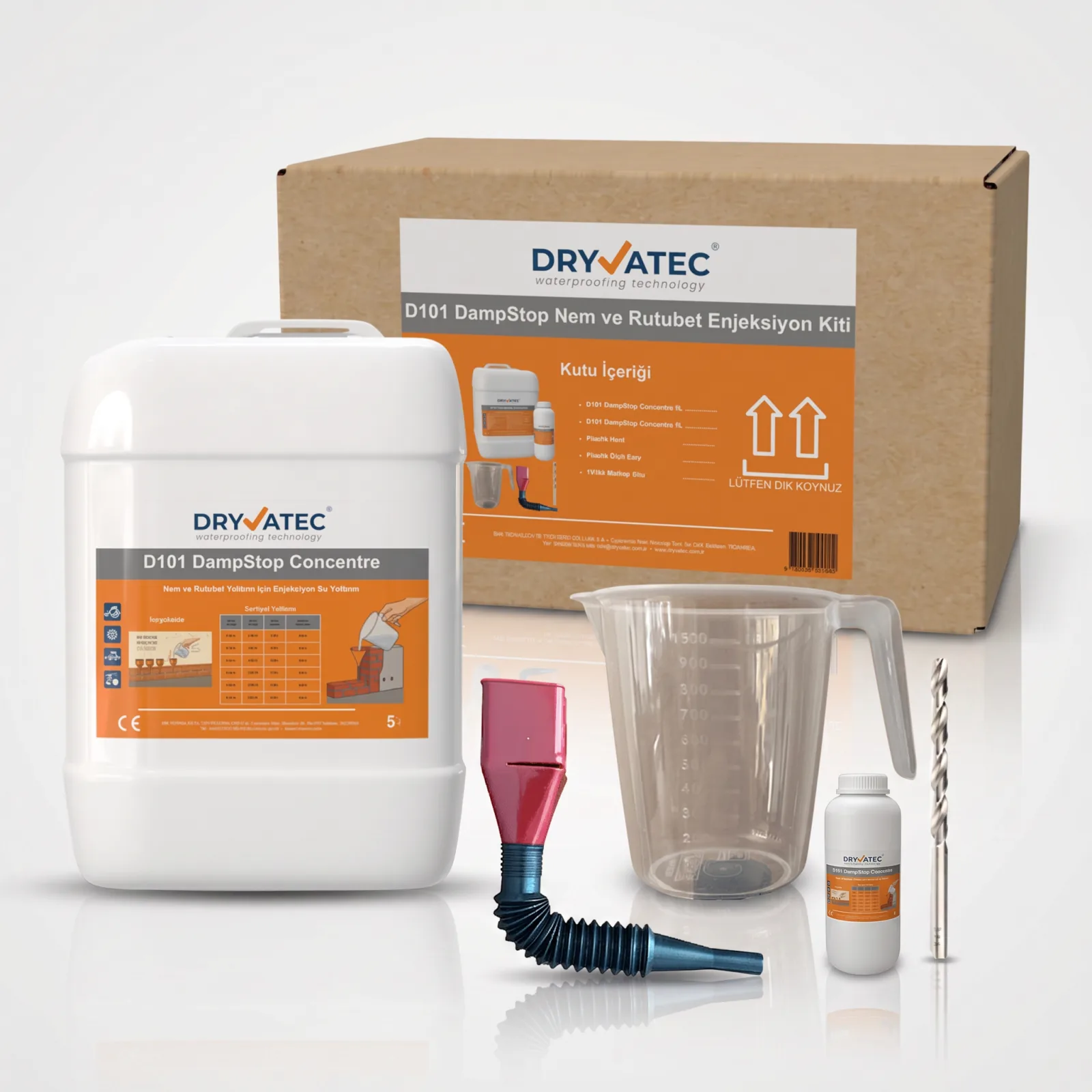
DampStop Complete Kit
For damp rising from the base of the wall: 5 L of injection concentrate and application equipment (funnel, measuring cup, 14 mm drill bit) in one box.
8.700₺ incl. VAT View Product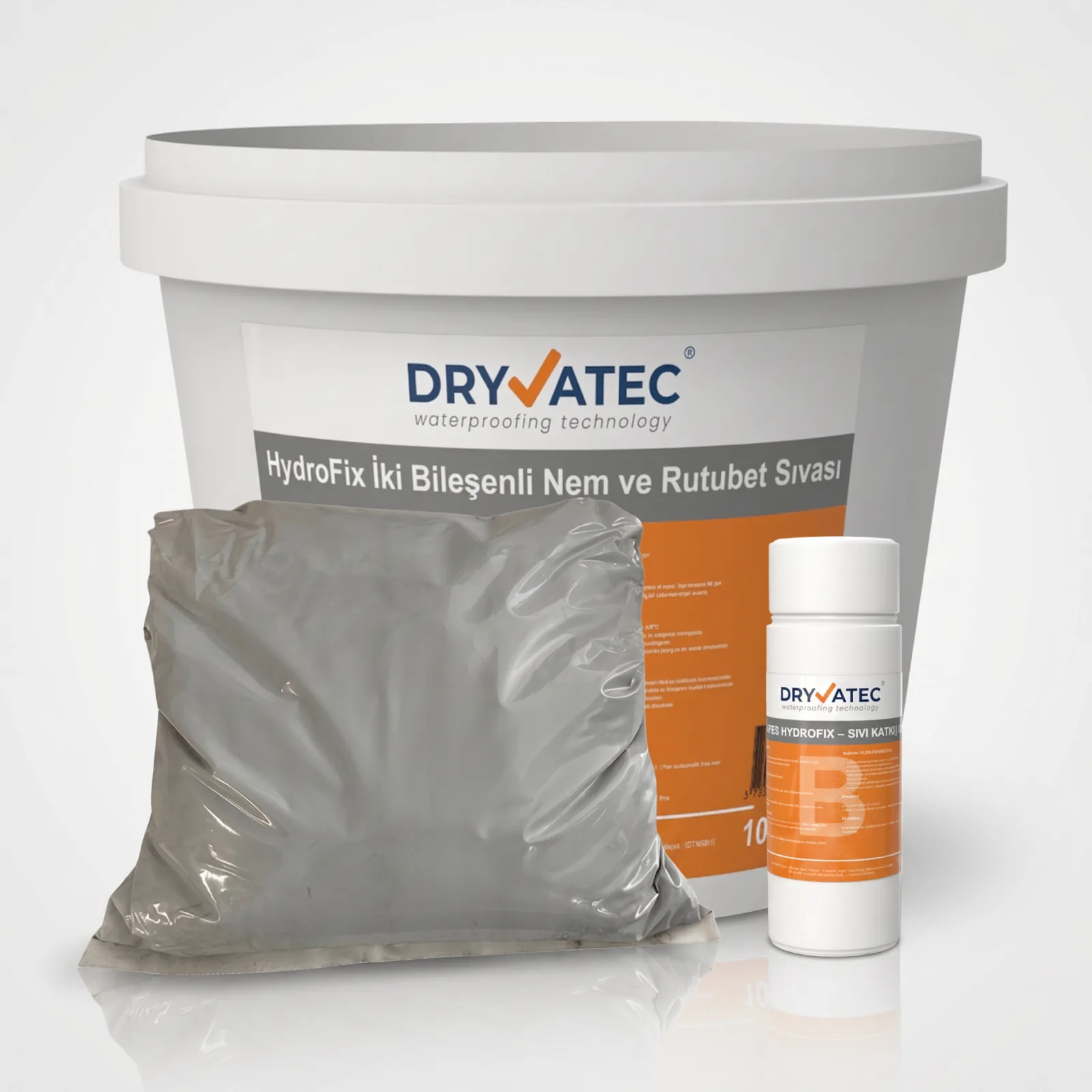
HydroFix 10kg Damp-Proofing Plaster
A replacement for blistered plaster with salt efflorescence: a breathable interior damp-proofing plaster that stops capillary water transfer.
1.500₺ incl. VAT View Product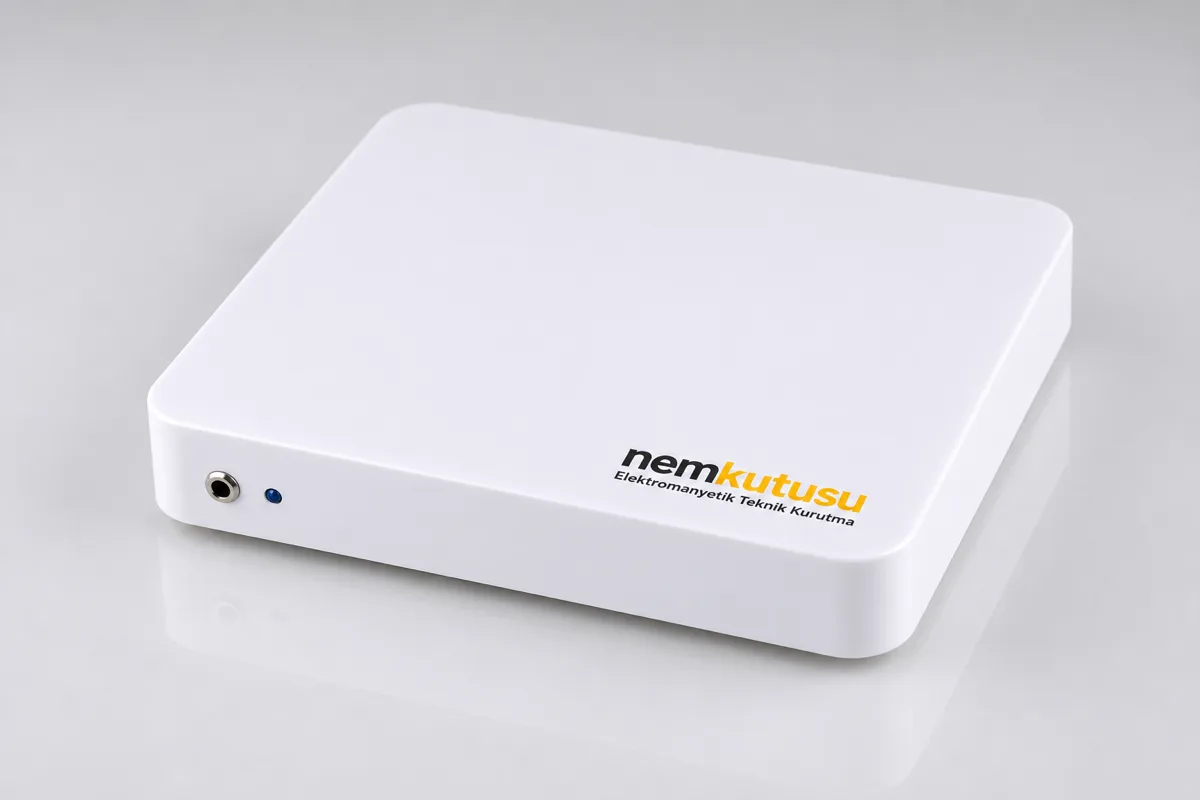
Dryvatec Damp Box
Carries water reaching the foundation and rising in the columns back into the ground; on the walls it works with DampStop + HydroFix as the triple system. Plugs into a socket, 3-5 W.
50.000₺ incl. VAT View ProductPay by card (Ziraat 3D Secure) or bank transfer/EFT — for bank transfer call +90 850 532 6 999 · No cash on delivery or instalments · Free shipping within Türkiye · 14-day right of return · Work out the quantity with the consumption calculator.
How much product do I need?
The amount of injection fluid depends on the length and thickness of the wall; the amount of plaster depends on the surface area to be renewed. Enter your wall dimensions into the Consumption Calculator and instantly see how many litres of concentrate and how many buckets of plaster you need. All prices include VAT; for a detailed look at costs, see our article on the cost of damp treatment.
Frequently Asked Questions
Do damp-removing sprays work?
A spray cleans mould and stains off the surface; it does not stop the moisture inside the wall. If the source is still active, the stain comes back within a few weeks. Use the spray for cleaning, and cut off the source of the damp for a permanent fix.
Do damp-absorbing tablets remove damp from a wall?
No. Moisture-absorbing tablets draw some of the moisture out of the air in small enclosed spaces such as wardrobes and pantries. They have no effect on damp rising inside the wall.
What is the best damp-removing device?
If the problem is in the air (condensation on windows, mould in corners), a dehumidifier helps. If the problem is moisture rising from the base of the wall, a dehumidifier is not enough; you need an injection damp-proof course (DampStop) at the base of the wall and a breathable damp-proofing plaster (HydroFix). If there is also damp in the foundation and columns, the Damp Box is added.
What removes damp from a wall permanently?
For rising damp, the permanent fix has two steps: first the damaged plaster is stripped and replaced with breathable HydroFix damp-proofing plaster, then, once the plaster has dried, a moisture barrier is formed at the base of the wall with DampStop injection (plaster first, so the injection does not run out through brick cells broken open during stripping). For a leak, repair the leak first; for condensation, correct ventilation and heating.
Can I treat damp myself?
Yes. The DampStop Complete Kit is designed for homeowners; drilling, mixing and application steps are explained in the guide on the product page and in a 93-second video. You can get technical support at any step on +90 850 532 6 999.
Related Guides
- Can I do damp injection myself?
- What is damp and what causes it? What to do if your home is damp
- A definitive fix for wall damp: 3 methods by source
- Damp-proof plaster or paint?
- What is the Damp Box and how does it work?
- Can damp spread to another wall?
- Damp lines and moisture on walls
Not sure where your damp is coming from?
Send a photo of your wall; our technical team will tell you the source and the right product free of charge.